Translate Language
Biophilic Design: More Than Just Plants – A 2025 Trend Decoded for Aspiring Designers
Biophilic design is dominating the world of interior and spatial design, making it a non-negotiable topic for any serious design entrance exam candidate. It moves beyond aesthetics to forge a profound connection between humans and nature within built environments. Understanding its principles is key to showcasing a modern, sustainable, and human-centric design approach in your exams.
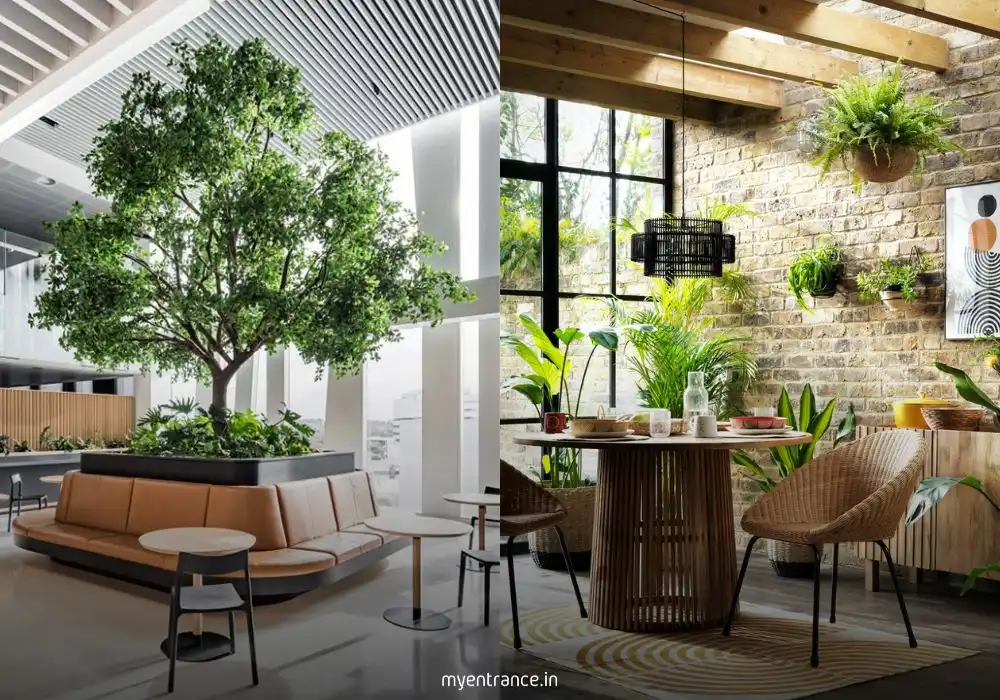
What is the Biophilic Design Trend and Why Is It So Trendy?
Forget the idea that biophilic design is just about adding a few potted plants to a corner. It’s a sophisticated design philosophy that seeks to satisfy our innate human desire to connect with nature. This trend is exploding in popularity because it directly responds to our modern, often urban, lifestyles that can leave us feeling disconnected from the natural world.
It’s trendy because it’s a holistic solution. It’s not just visually appealing; it’s proven to enhance well-being, reduce stress, boost creativity, and improve air quality. In a world increasingly focused on mental health and sustainability, biophilic design offers a powerful way to create spaces that are not only beautiful but also genuinely beneficial for the people who inhabit them. For exam purposes, think of it as the intersection of environmental psychology, sustainable design, and innovative material use.
Design aspirants can boost their preparation with our NID Entrance Exam Tips & Strategies.
If fashion is your career goal, start with our NIFT Entrance Exam Preparation Strategies
Here’s how you can break down its core principles:
Maximize Natural Light and Airflow: Prioritize large windows and strategic layouts that flood a space with sunlight and promote cross-ventilation. This regulates circadian rhythms, improves mood, and reduces dependency on artificial energy.
Design Tip: Use light, airy fabrics like linen for curtains and place mirrors to reflect light deeper into a room, making spaces feel larger and more vibrant.
Integrate Plant Life (Real and Artificial): Greenery is a fundamental pillar. This includes everything from vertical gardens and potted plants to preserved moss walls. For low-maintenance solutions, high-quality artificial plants can provide the same visual connection to nature.
Design Tip: Use a variety of planters—ceramic, woven baskets, hanging macramé—to add texture and create a layered, organic feel.
Utilize Natural Materials and Textures: Incorporate elements that are sourced from nature and feel authentic to the touch. Think wood grain, rough stone, smooth bamboo, soft cotton, and rugged jute. These materials age gracefully and tell a story.
Design Tip: Combine different textures, like a jute rug under a wooden coffee table with a soft linen sofa, to create a rich, tactile experience.
Engage the Senses: True biophilic design appeals to more than just sight. It involves the gentle sound of a small indoor water feature, the subtle scent of essential oils like sandalwood or pine, and the tactile feel of a hand-woven throw blanket.
Design Tip: Create a multi-sensory nook with a comfortable chair, a textured rug, soft lighting, and calming nature sounds.
Embrace an Earth-Inspired Color Palette and Patterns: Move beyond stark whites and grays. Draw color inspiration from the outdoors: soothing greens, warm terracotta, soft browns, and creamy neutrals. Patterns should mimic nature—think leafy motifs, organic shapes, and woven textures.
Design Tip: Introduce these colors and patterns through accessories like cushions, artwork, and rugs for an easy-to-update look.
For mock tests, current affairs, and GK resources, visit Myentrance Homepage
Questions and Answers for Your Design Entrance Exam
1. Q: Define Biophilic Design in one succinct sentence.
A: Biophilic design is an innovative approach to interior and architectural design that incorporates natural elements, materials, and patterns to create spaces that strengthen the human connection to nature, thereby improving well-being.
2. Q: Beyond aesthetics, list two key psychological benefits of incorporating natural light in a space.
A: Two key benefits are: 1) Boosting concentration and productivity, and 2) Regulating the body’s circadian rhythm for improved sleep quality.
3. Q: If a client is allergic to plants, what alternatives can a designer suggest to incorporate the biophilic principle?
A: A designer can suggest using high-quality artificial plants, imagery of nature (photographs, murals), natural materials like wood and stone, a color palette inspired by earth and sky, and incorporating sensory elements like a small water feature or natural-scented diffusers.
4. Q: How does biophilic design align with the principles of sustainable design?
A: They are deeply intertwined. Biophilic design often uses sustainable, natural, and locally sourced materials (like bamboo or reclaimed wood), reduces energy consumption by maximizing natural light and air, and promotes environmental responsibility by fostering a deeper connection to the natural world.
5. Q: Name three natural materials commonly used in biophilic design.
A: Three common materials are: wood, bamboo, and jute (or stone, linen, cotton).
Why is This Important for Exams like NID, NIFT, etc.?
Mastering trends like Biophilic Design is absolutely critical for your entrance exams for several reasons:
Demonstrates Awareness: Examiners are looking for candidates who are aware of global, contemporary design movements. Discussing biophilic design shows you are engaged with the industry’s current direction.
Highlights Holistic Thinking: This trend isn’t just visual; it encompasses sustainability, user well-being, and psychology. Using it in your answers proves you can think critically about the broader impact of design.
Provides a Framework for Solutions: In situation-based questions or studio tests, you can use biophilic principles as a rational, user-centric framework to justify your design choices, making your solutions more robust and impressive.
Key for Personal Interviews: Being able to intelligently discuss a significant trend like this can form a strong part of your personal interview, showcasing your passion and knowledge beyond the textbooks.
Integrate an understanding of Biophilic Design into your preparation to create exam answers that are insightful, relevant, and impactful.
Read More Topics