
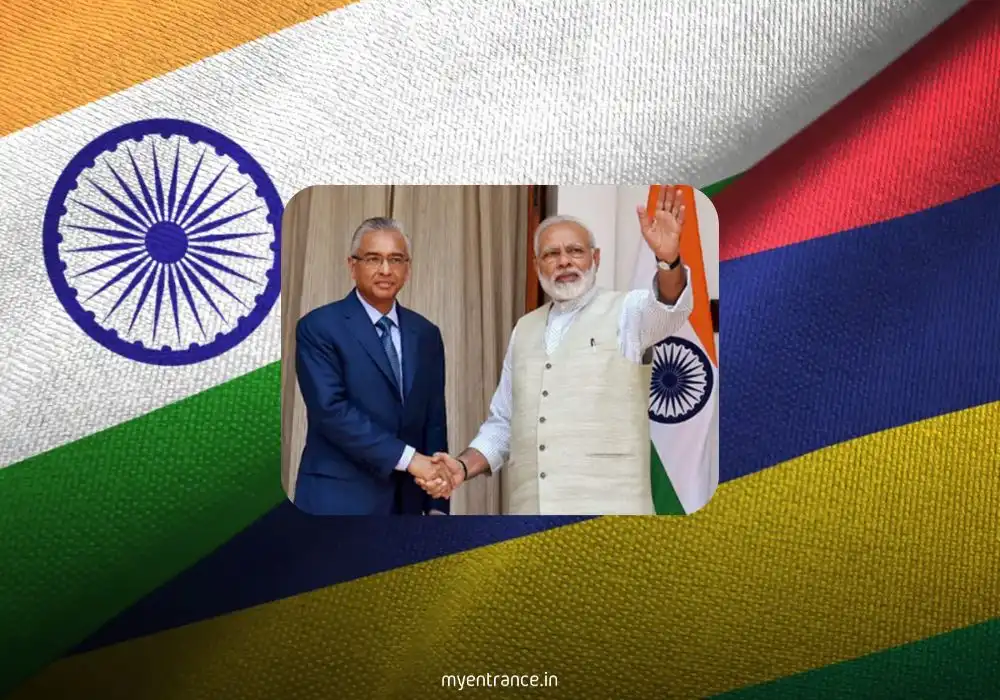
Staying updated with global events and bilateral relations is a crucial part of preparing for prestigious competitive examinations like UPSC, SSC, PSC, and various government sector tests. Recently, India played host to a significant diplomatic engagement that offers valuable insights into the nation’s foreign policy and international partnerships. This particular event, involving high-level talks, provides an excellent opportunity to deepen your understanding of current affairs, international relations, and general knowledge, all essential components of your exam syllabus.
Key Players and Purpose
At the heart of this diplomatic interaction was a meeting between India’s Prime Minister, Narendra Modi, and his Mauritian counterpart, Prime Minister Navinchandra Ramgoolam. The primary objective of these high-level discussions was to comprehensively review the full spectrum of bilateral cooperation that exists between India and Mauritius. Prime Minister Ramgoolam’s visit to India was designated as a state visit, indicating its significant diplomatic importance and formal nature, and it extended until mid-September. Such visits are vital for strengthening existing ties and exploring new avenues for collaboration, directly impacting India’s standing on the global stage. Learn effective last-day revision strategies to maximize your remaining study hours.
Strategic Locations and Timelines
The significant meeting took place in the ancient and culturally rich city of Varanasi, located in Uttar Pradesh. Prior to this, Prime Minister Modi also embarked on visits to other regions, including Uttarakhand, highlighting a broader engagement across various Indian states. Prime Minister Ramgoolam’s arrival in Varanasi was marked by a ceremonial welcome and a guard of honour, a traditional protocol for visiting dignitaries. He was formally received by the Governor of Uttar Pradesh, Anandiben Patel, underscoring the importance India places on such diplomatic exchanges. The choice of Varanasi, a city with deep historical and spiritual roots, for such a high-profile international meeting often carries symbolic weight, reflecting cultural diplomacy alongside political and economic discussions. Challenge yourself with our daily news quiz for upsc and ssc to test your awareness.
Unpacking India-Mauritius Bilateral Relations
Understanding the importance of this meeting requires a look into the long-standing and robust relationship between India and Mauritius.
Historical and Cultural Foundations: The ties between India and Mauritius are deeply rooted in shared history and culture, largely due to a substantial Indian diaspora in Mauritius. This historical connection, strengthened by common traditions and languages, forms a powerful bedrock for diplomatic relations, fostering a unique bond of kinship and mutual understanding.
Strategic Importance in the Indian Ocean: Mauritius holds immense strategic significance for India in the Indian Ocean region. As a key maritime partner, cooperation with Mauritius is vital for India’s maritime security, economic interests, and its vision for Security and Growth for All in the Region (SAGAR). This partnership is instrumental in addressing challenges like piracy, ensuring freedom of navigation, and enhancing regional stability.
Economic Cooperation and Development Partnership: Bilateral cooperation extends significantly into the economic sphere, encompassing trade, investment, and comprehensive development assistance from India. India has consistently been a reliable development partner for Mauritius, supporting various infrastructure projects and capacity-building initiatives. These collaborations aim to boost economic growth and improve the quality of life for the Mauritian people.
Multilateral Engagement: Both nations frequently collaborate on various multilateral platforms, including the United Nations and other international forums. This alignment on global issues strengthens their collective voice and contributes to addressing challenges of mutual concern on a global scale.
How This Matters for Your Competitive Exams
Events like the Prime Minister’s diplomatic engagements are direct sources of questions across various sections of competitive examinations:
* Current Affairs: Expect direct questions on the names of leaders, countries involved, purpose of the visit, and key outcomes.
* International Relations: This event helps you understand India’s foreign policy objectives, its strategic partnerships, and its role in regional security.
* General Knowledge: Knowledge about the capital of Mauritius, its geography, and prominent political figures can be tested.
* Indian Polity: Understanding the roles of the Prime Minister, Governors, and diplomatic protocols.
* Geography: Locating Mauritius on a map, its proximity to India, and its importance in the Indian Ocean.
Regularly following such news, not just for headlines but for the underlying context and significance, will equip you with the comprehensive knowledge needed to excel in your examinations.
Frequently Asked Questions (FAQs)
1. Why is the relationship between India and Mauritius considered particularly important for India?
The relationship is crucial due to deep historical and cultural ties, a large Indian diaspora in Mauritius, and its significant strategic location in the Indian Ocean. Mauritius is a vital partner for India’s maritime security interests and its regional influence.
2. Who are the primary political leaders involved in this specific diplomatic engagement?
The main leaders involved are India’s Prime Minister Narendra Modi and his Mauritian counterpart, Prime Minister Navinchandra Ramgoolam. The Governor of Uttar Pradesh, Anandiben Patel, also played a role in receiving the Mauritian dignitary.
3. What specific areas typically fall under the “full spectrum of bilateral cooperation” between India and Mauritius?
This encompasses a wide range of areas including trade, investment, defence and security, maritime cooperation, cultural exchanges, development assistance, health, education, and cooperation on regional and international forums.
4. What is the significance of choosing Varanasi as the location for such a high-level diplomatic meeting?
Choosing Varanasi, a city of immense cultural and spiritual importance in India, for such a meeting often adds a layer of cultural diplomacy to the political discussions. It showcases India’s rich heritage and can symbolize a deeper, more holistic bond beyond just political or economic ties.
5. How can competitive exam aspirants effectively track and understand current affairs related to international relations for their exams?
Aspirants should regularly follow reliable news sources, read detailed analyses of global events, and particularly focus on current affairs sections provided by educational platforms like myentrance.in. Understanding the context, historical background, and implications of diplomatic events is key, rather than just memorizing facts.





