
Unveiling the World’s Sky-High Crossings: Essential Knowledge for Your Competitive Exams
The world of engineering is continuously pushing boundaries, creating structures that not only serve a crucial purpose but also stand as monumental testaments to human ingenuity. Among these marvels are the planet’s highest bridges – breathtaking structures that span immense gorges and valleys, connecting communities and facilitating progress. For aspirants preparing for competitive examinations like UPSC, SSC, PSC, NID, NIFT, and other government roles, understanding these feats of engineering is more than just appreciating their grandeur; it’s about mastering crucial elements of general knowledge, current affairs, and geographical understanding. Sharpen your skills with these current affairs practice questions updated daily.
Why Do We Build So High? The Purpose Behind Lofty Bridges
At its core, the construction of these colossal bridges is driven by the fundamental need for connectivity. Imagine vast, impassable canyons or turbulent rivers that historically isolated regions, hindering trade, travel, and economic development. High bridges overcome these natural barriers, creating direct routes, reducing travel times, and fostering growth in remote areas. They are often vital components of large-scale infrastructure projects, linking national highways and transforming regional accessibility. Beyond practicality, these bridges symbolize a nation’s engineering prowess and commitment to progress, often becoming iconic landmarks themselves. For your exams, understanding the ‘why’ behind these projects can offer deeper insights into economic geography and infrastructure development.
Defining “Highest”: Navigating the Heights of Bridge Terminology
When discussing the “highest” bridges, it’s crucial to understand the metrics. There are two primary ways to measure a bridge’s height:
1. Deck Height: This is the most commonly understood metric, representing the vertical distance from the bridge’s road deck to the ground or water surface directly below. It’s often the ‘wow’ factor that captures public imagination and is usually what’s referenced when a bridge is proclaimed the “highest.”
2. Structural Height (or Tower Height): This refers to the height of the bridge’s main support structures, such as its pylons or towers, measured from their base to their highest point. While impressive, a bridge with the tallest towers might not necessarily have the highest deck above the ground.
For exam questions, always pay attention to whether the question specifies “deck height,” “structural height,” or simply “highest,” as the answer can vary significantly based on the definition.
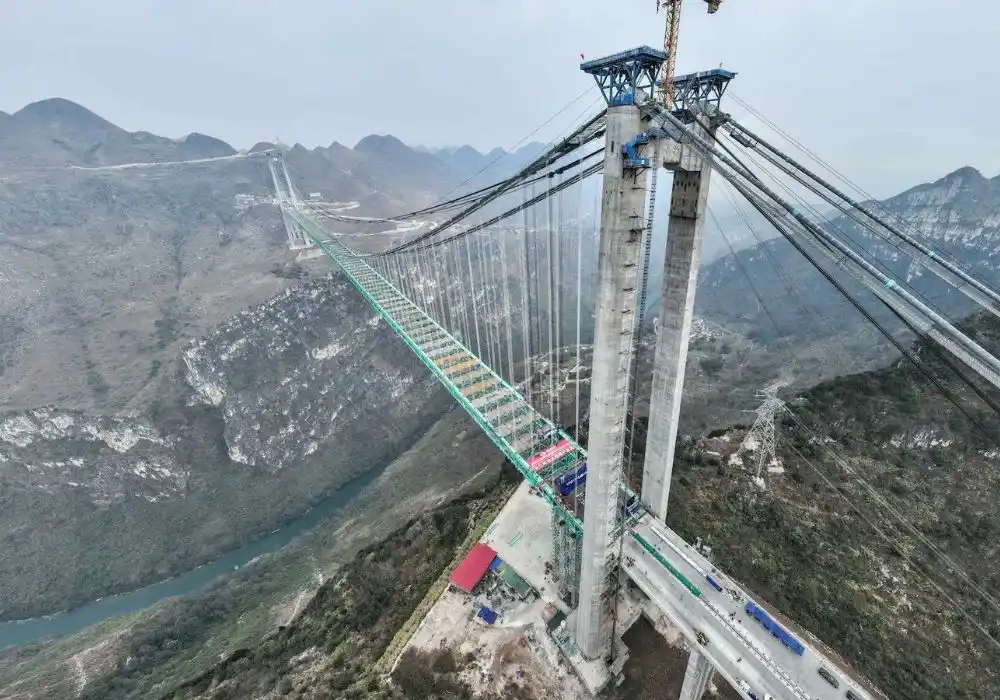
Huajiang Canyon Bridge: The Future Apex of Deck Height
As we approach 2025, the global landscape of monumental bridges is set for a significant shift with the anticipated completion of the Huajiang Canyon Bridge in Guizhou, China. This engineering marvel is poised to claim the title of the world’s highest bridge by deck height, soaring an astonishing approximately 625 meters above the river below. Located in a region renowned for its challenging topography and home to many of the world’s existing high bridges, the Huajiang Canyon Bridge represents a new pinnacle in bridge construction. Its completion will not only redefine records but also profoundly impact connectivity within China’s mountainous regions, offering a prime example of current affairs and static general knowledge for your upcoming examinations.
Exploring Other Titans: A Glimpse at Global Engineering Masterpieces
While the Huajiang Canyon Bridge sets new standards, it joins a distinguished roster of bridges that have pushed the limits of design and construction. Many of these engineering marvels are also found in China, a nation that has heavily invested in infrastructure development across its diverse landscapes.
Before the Huajiang Canyon Bridge, the Beipanjiang Bridge (also in Guizhou, China) held the impressive record, with its deck suspended over 565 meters above the Beipan River. This cable-stayed bridge is a vital link in the G56 Hangzhou–Ruili Expressway. Another significant contender is the Sidu River Bridge in Hubei Province, China, an earlier record-holder known for its incredible suspension span across a deep valley.
Beyond China, other nations have also contributed to this league of extraordinary bridges. The Baluarte Bridge in Mexico, for instance, holds the record for the highest cable-stayed bridge in the Americas, spanning a deep ravine in the Sierra Madre Occidental mountains. Europe boasts the iconic Millau Viaduct in France, an architectural wonder with an impressive height above the Tarn River valley, known for its elegant design and significant contribution to transportation networks. While often celebrated for its incredibly tall pylons, the Russky Bridge in Russia, connecting Russky Island to Vladivostok, is a testament to structural height rather than deck height over a deep canyon.
These examples highlight the global nature of advanced bridge engineering and serve as crucial points of reference for general knowledge questions related to world geography, famous structures, and technological advancements.
Leveraging Bridge Knowledge for Exam Success
For your competitive exams, knowledge about these highest bridges can be tested in various forms:
* Current Affairs: New records or significant developments like the Huajiang Canyon Bridge will undoubtedly appear in daily news quizzes and current affairs sections.
* Static General Knowledge: Questions on the names, locations (country and province/state), and approximate heights of major record-holding bridges are common.
* Geography: Understanding *why* these bridges are built in specific locations (e.g., mountainous regions of China) helps connect infrastructure with geographical challenges.
* Engineering and Technology: For specific exams, basic questions about bridge types (suspension, cable-stayed, arch) or construction techniques might arise.
Continuously updating your knowledge about these global engineering marvels through resources like myentrance.in will give you a significant edge in your preparation. You can build a strong foundation with our comprehensive static gk guide.
Frequently Asked Questions (FAQs)
Q1: What is the primary difference between a “highest bridge” and a “tallest bridge”?
A1: A “highest bridge” typically refers to the bridge with the greatest vertical distance from its road deck to the ground or water directly below (deck height). A “tallest bridge” usually refers to the bridge with the tallest structural elements, such as its main pylons or towers, measured from their foundation to their peak. While a bridge can be both, they are distinct measurements.
Q2: Why are so many of the world’s highest bridges located in China?
A2: China’s diverse and often challenging topography, characterized by numerous deep canyons, gorges, and mountainous regions, necessitates the construction of such high bridges to improve connectivity and facilitate economic development. Additionally, China’s rapid infrastructure development and advanced engineering capabilities have enabled them to undertake these complex projects on a large scale.
Q3: How do engineers manage to build bridges over such incredibly deep canyons?
A3: Building over deep canyons requires highly specialized engineering techniques. Common methods include using advanced cable-stayed or suspension designs, which allow for long spans without intermediate supports in the canyon. Construction often involves techniques like pioneering pilot ropes across the canyon, followed by heavier cables, or using specialized launching gantries to push segments of the bridge deck across. Precision surveying and material science are also crucial.
Q4: Are these extremely high bridges safe from natural disasters like earthquakes or strong winds?
A4: Yes, safety is paramount in the design and construction of these monumental structures. Engineers incorporate advanced seismic isolation systems, aerodynamic designs, and robust material choices to ensure the bridges can withstand extreme weather conditions, high winds, and seismic activity typical of their location. Rigorous testing and monitoring are ongoing throughout the bridge’s lifespan.
Q5: How frequently do the rankings for the world’s highest bridges change, and how can I stay updated for my exams?
A5: The rankings can change periodically as new, even more ambitious projects are completed around the globe. While not a daily occurrence, a new record-holder emerges every few years. To stay updated for your competitive exams, regularly follow current affairs, specialized engineering news, and general knowledge sections provided by educational platforms like myentrance.in. Pay particular attention to announcements of major infrastructure projects and their completion dates.





