
Understanding the Imperative of Patient Safety
Patient safety stands as a foundational pillar of quality healthcare, representing the prevention of errors and adverse events that could harm patients during medical care. Globally, it is a significant public health concern, with estimates suggesting that as many as one in ten patients experience some form of harm during hospitalisation, and a higher proportion, possibly four in ten, in outpatient settings. These incidents not only cause immense suffering and loss of life but also place a substantial economic burden on healthcare systems and societies. For aspirants preparing for demanding examinations like UPSC, SSC, or PSC, comprehending patient safety is not merely about current affairs; it delves into public policy, governance, ethics, and the socio-economic fabric of the nation. It highlights a critical area where administrative interventions and informed decision-making are paramount.
World Patient Safety Day: A Global Call to Action
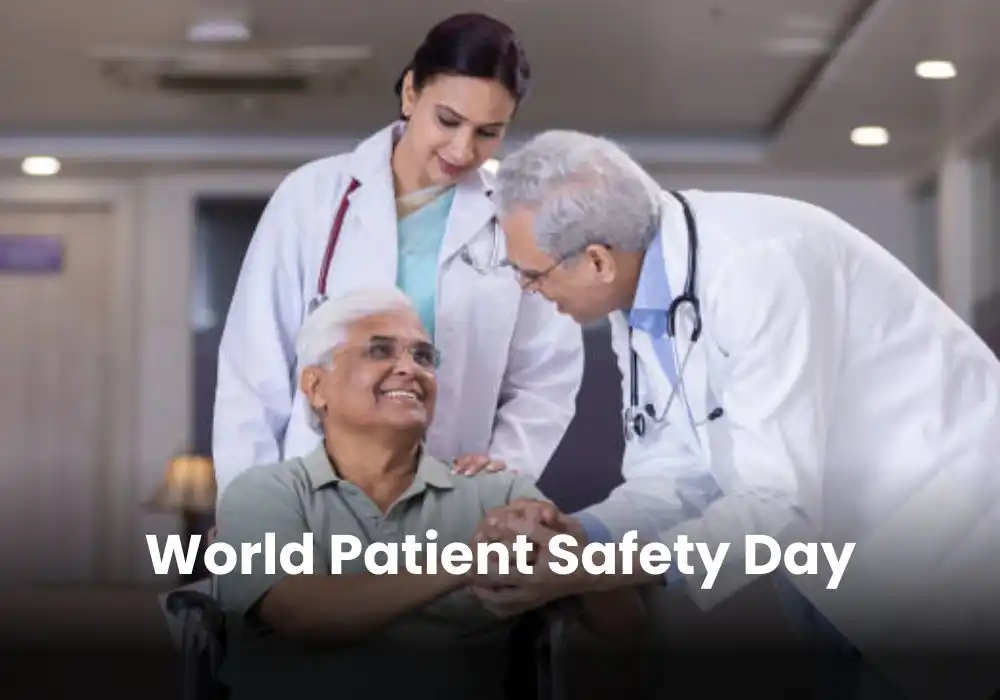
The world observes World Patient Safety Day on September 17th each year, an initiative spearheaded by the World Health Organization (WHO) to raise global awareness about patient safety and urge all stakeholders to demonstrate their commitment to reducing harm to patients. Each year, a specific theme is chosen to highlight a priority area in patient safety, fostering focused action and advocacy. This annual observance serves as a crucial reminder for governments, healthcare providers, patients, and the public about the collective responsibility in making healthcare safer. For competitive exam candidates, understanding the objectives behind such international days, along with the themes and their implications, provides valuable context for essay writing, general studies papers, and interview discussions on public health and international cooperation.
Patient Safety in India: Challenges and Strategic Interventions
India, with its vast and diverse population, presents a unique set of challenges and opportunities in ensuring patient safety. The country’s healthcare system, characterized by a blend of public and private providers, varying levels of infrastructure, and a significant rural-urban divide, grapples with issues such as healthcare-associated infections, medication errors, unsafe surgical practices, and inadequate reporting mechanisms for adverse events. The burgeoning threat of antimicrobial resistance further complicates the landscape, making patient safety an even more complex and urgent agenda.
Recognizing these challenges, the Indian government and various organizations have initiated several strategic interventions. The National Health Policy 2017 emphasizes quality of care and patient safety as core tenets. Regulatory frameworks like the Clinical Establishments (Registration and Regulation) Act aim to standardize services and improve accountability. The Quality Council of India (QCI), through its National Accreditation Board for Hospitals & Healthcare Providers (NABH), offers accreditation programs that encourage healthcare facilities to adhere to stringent quality and safety standards. Furthermore, initiatives like the Pharmacovigilance Programme of India (PvPI) monitor drug safety, while efforts to train healthcare professionals in infection control, promote rational use of antibiotics, and foster a culture of reporting adverse events are ongoing. The rise of digital health platforms and the push for unique health IDs under the Ayushman Bharat Digital Mission (ABDM) also hold promise in enhancing data-driven decision-making and improving care coordination, which are indirect yet powerful contributors to patient safety. Understanding these multifaceted approaches is essential for anyone aspiring to contribute to public administration or policy-making in India.
The Way Forward: Ensuring a Safer Healthcare Journey
Moving forward, enhancing patient safety in India requires a multi-pronged, collaborative approach. This includes strengthening regulatory oversight, investing in infrastructure and technology, continuous education and training for healthcare workers, promoting a non-punitive culture of reporting and learning from errors, and crucially, empowering patients to actively participate in their own care. Encouraging patients to ask questions, understand their treatment plans, and report concerns can significantly improve safety outcomes. The integration of technology, data analytics, and artificial intelligence also offers innovative solutions for identifying risks and preventing adverse events. Ultimately, ensuring a safer healthcare journey for every individual is a shared responsibility, deeply intertwined with India’s journey towards universal health coverage and sustainable development. For examination purposes, aspirants should be prepared to articulate not just the problems but also comprehensive, actionable solutions and their implications for public welfare and governance.
Frequently Asked Questions (FAQs)
1. What is the primary objective of observing World Patient Safety Day?
World Patient Safety Day, observed on September 17th annually, aims to raise global awareness about the critical issue of patient safety, mobilize all stakeholders to take concrete actions, and foster a culture of safety within healthcare systems worldwide to reduce harm to patients.
2. Why is patient safety considered a significant public health concern in India?
In India, patient safety is a major concern due to factors like diverse healthcare infrastructure, potential for medication errors, healthcare-associated infections, inconsistent reporting mechanisms, and the challenge of ensuring uniform quality across public and private sectors, all of which can lead to preventable harm and adverse health outcomes for a large population.
3. What are some common types of patient harm that patient safety initiatives seek to prevent?
Patient safety initiatives primarily aim to prevent harm categories such as medication errors (wrong dose, wrong drug), healthcare-associated infections (e.g., surgical site infections), unsafe surgical practices, falls within healthcare facilities, diagnostic errors, and communication breakdowns among healthcare providers that can lead to adverse events.
4. How can patients actively contribute to improving their own safety during medical care?
Patients can significantly contribute to their own safety by asking questions about their diagnosis and treatment plan, understanding their medications, ensuring clear communication with their healthcare providers, informing staff about allergies or past reactions, and reporting any concerns or changes in their condition promptly. Active engagement empowers them to be partners in their care.
5. Which government body in India plays a crucial role in promoting quality and safety standards for hospitals and healthcare providers?
The National Accreditation Board for Hospitals & Healthcare Providers (NABH), a constituent board of the Quality Council of India (QCI), plays a crucial role in promoting and implementing quality and safety standards for healthcare organizations in India through its accreditation programs, encouraging facilities to adhere to international benchmarks for patient care.





