
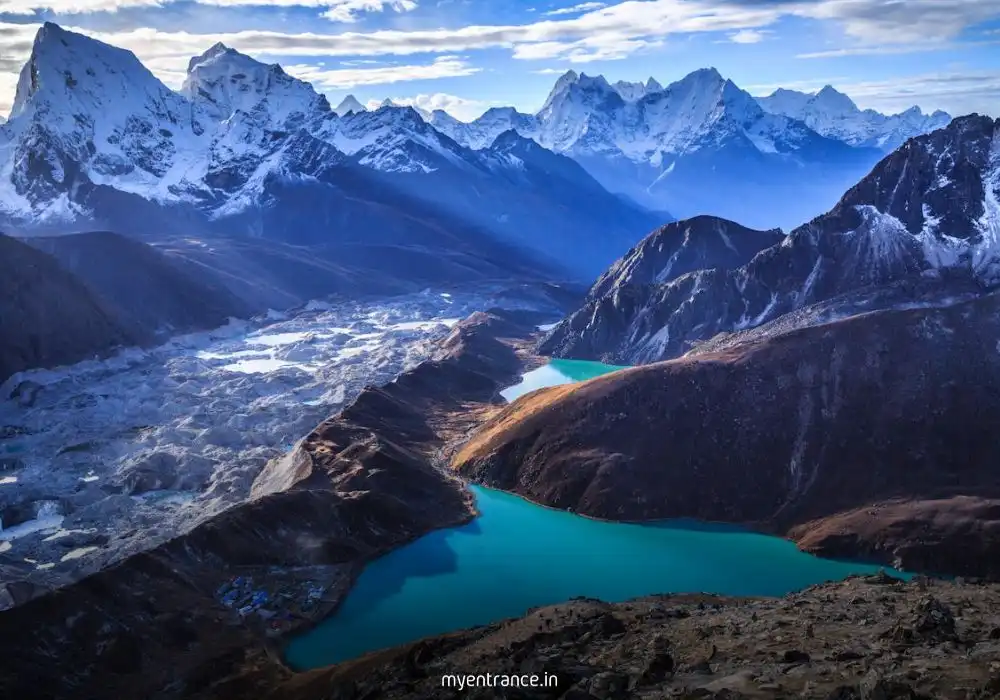
The magnificent Himalayas, often referred to as the “Third Pole” and the “Water Tower of Asia,” play an indispensable role in India’s ecology, climate, and cultural heritage. Recognizing this profound importance, India annually observes Himalaya Diwas, or Himalaya Day, a crucial event for environmental awareness and equally significant for aspirants preparing for competitive examinations like UPSC, SSC, PSC, and other government-level tests. As we approach September 9, 2025, which marks the 16th edition of this vital observance, understanding its nuances becomes key for both general knowledge and exam preparation.
Why is Himalaya Diwas Celebrated? The Himalayas: India’s Lifeline
The primary objective behind celebrating Himalaya Diwas is to emphasize the critical ecological and economic importance of the Himalayan mountain range and its delicate ecosystem. These majestic mountains are far more than just natural beauty; they are the origin of major river systems like the Ganga and Yamuna, supplying fresh water to millions across the subcontinent. They are a massive reservoir of biodiversity, home to countless species of flora and fauna, many of which are endemic and endangered. Beyond this, the Himalayas act as a natural climate regulator, influencing weather patterns, and serving as a crucial barrier against cold winds from Central Asia. The health of the Himalayas directly impacts the lives and livelihoods of a vast population, making its conservation a national priority. Through this day, the aim is to foster a sense of responsibility and encourage sustainable practices among communities and policymakers alike. Memorize the essential facts and figures for exam prep found in this compiled list.
What is Himalaya Diwas? Understanding the Annual Observance
Himalaya Diwas is an annual campaign dedicated to raising public awareness about the challenges faced by the Himalayan ecosystem, such as climate change, deforestation, soil erosion, and unsustainable development. It serves as a platform for various stakeholders, including government bodies, environmental organizations, academic institutions, and local communities, to come together and discuss strategies for the sustainable development and conservation of the region. Activities typically include seminars, workshops, awareness rallies, tree-plantation drives, and educational programs designed to highlight the need for collective action to protect this invaluable natural asset. For students, this event is a significant current affairs topic, often appearing in general awareness sections of examinations.
When is Himalaya Diwas Observed? Marking Your Calendar
Himalaya Diwas is celebrated across India consistently on September 9th each year. This fixed date ensures a consistent focus on the Himalayan region’s welfare. The upcoming observance on September 9, 2025, will be the 16th time this significant day has been celebrated, indicating a sustained commitment to its objectives over more than a decade and a half. Recognizing this date and the associated significance is a straightforward yet vital piece of information for any competitive exam. Regular daily mcq practice on current events is key to scoring well in the gk section.
How to Master Himalaya Diwas for Your Competitive Exams
For aspirants targeting SSC, UPSC, NID, NIFT, and other government exams, understanding Himalaya Diwas goes beyond just knowing the date. You should focus on a multi-faceted approach:
1. Static General Knowledge: Familiarize yourself with the geography of the Himalayas (major ranges, peaks, passes, glaciers), its biodiversity hotspots, and the key rivers originating from it. Understand its geological formation and climatic influence.
2. Current Affairs: Stay updated on recent government initiatives, policies, and projects related to Himalayan conservation, disaster management in the region, and any international collaborations. Note down any significant scientific findings or environmental reports concerning the Himalayas released around this time.
3. Environmental Science: Be aware of the environmental challenges specific to the Himalayas, such as glacial melt, landslides, cloudbursts, and their socio-economic impact. Understand concepts like ecological footprint and sustainable tourism in the context of the Himalayan region.
4. Exam Specific Questions: Practice questions on national parks and wildlife sanctuaries located in the Himalayan states, major hydroelectric projects, and the cultural significance of the region to various indigenous communities.
By adopting this holistic approach, you can confidently tackle questions related to Himalaya Diwas and the broader Himalayan ecosystem in your upcoming examinations.
Frequently Asked Questions (FAQs)
Q1: What is the main purpose of celebrating Himalaya Diwas?
A1: The primary purpose of Himalaya Diwas is to raise awareness about the critical ecological, environmental, and economic importance of the Himalayan mountain range and to promote its sustainable development and conservation.
Q2: When is Himalaya Diwas celebrated annually, and what is its significance for 2025?
A2: Himalaya Diwas is celebrated annually on September 9th. In 2025, it will mark the 16th edition of this observance, reinforcing the long-standing commitment to protecting the Himalayan ecosystem.
Q3: Which major river systems originate from the Himalayas that are crucial for India?
A3: Key river systems crucial for India that originate from the Himalayas include the Ganga, Yamuna, Brahmaputra, Indus, and their numerous tributaries, providing water resources to a vast population.
Q4: How can knowledge about Himalaya Diwas benefit students preparing for competitive exams?
A4: Knowledge about Himalaya Diwas is vital for competitive exams as it covers topics across current affairs, static general knowledge (geography, environment, biodiversity), and government policies, which are frequently tested in exams like UPSC, SSC, and PSC.
Q5: What are some of the key environmental challenges faced by the Himalayan region?
A5: The key environmental challenges faced by the Himalayan region include the impacts of climate change (glacial melt, unpredictable weather patterns), deforestation, soil erosion, loss of biodiversity, and the pressures from unsustainable tourism and infrastructure development.





