
For aspirants eyeing success in competitive examinations like UPSC, SSC, PSC, NID, NIFT, and various other government sector roles, staying updated with current affairs isn’t merely an option; it’s a critical strategy. Recent developments concerning public health, specifically the government’s proactive measures against diseases like Dengue and Malaria, offer a prime example of information that regularly appears in exam questions. Understanding these initiatives not only enhances your general knowledge but also provides insights into governance and public policy, which are indispensable for high scores. You can beat exam stress with these last-minute techniques to stay calm and focused.
The High-Level Review: Why It Matters
Recently, the Union Health Minister undertook a comprehensive review of the ongoing Dengue and Malaria situation across the nation. This significant meeting was convened with a clear objective: to invigorate and accelerate the preventive actions being implemented by various states. Such high-level engagements, involving key ministerial figures, underscore the government’s commitment to public health and its strategic approach to tackle widespread health challenges. For your examinations, recognizing the importance of such events highlights the government’s focus areas, the roles of key ministries, and the inter-state coordination required in crucial sectors like health. It’s a direct window into the administrative machinery in action, which is a common topic in civil services and other government exams.
Understanding the Challenge: Dengue and Malaria
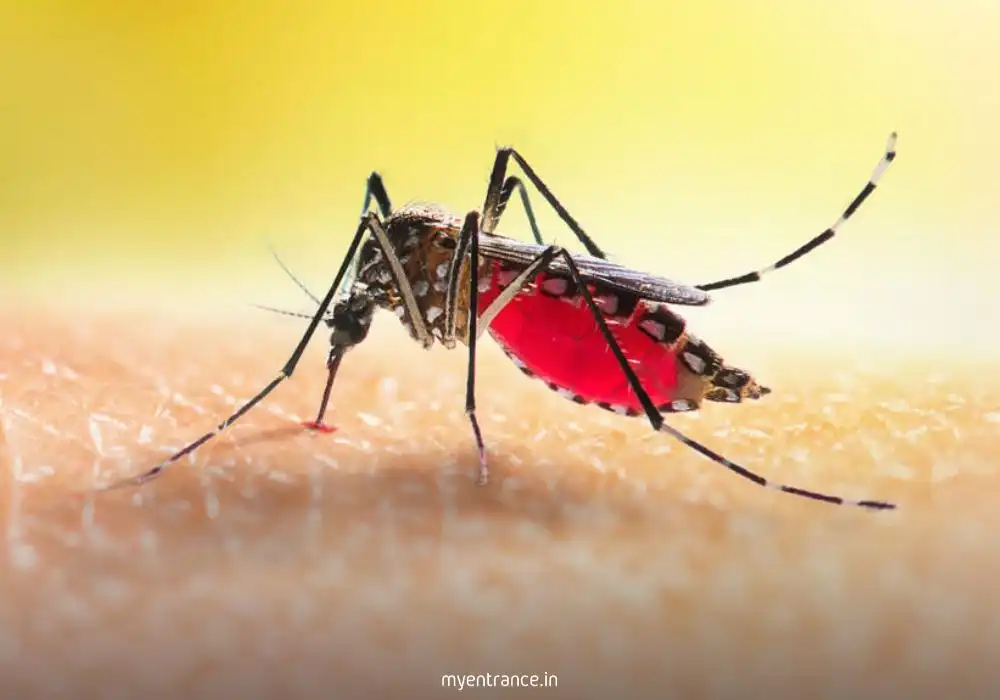
Dengue and Malaria remain persistent public health concerns in India, affecting large populations annually. These vector-borne diseases pose substantial challenges, not just in terms of healthcare burden but also socio-economic impact. The review meeting specifically delved into the current status of these diseases, meticulously examining the key hurdles encountered in their effective prevention and control. When you encounter questions about public health in your exams, understanding the scale of these issues and the government’s response provides a strong foundation. For exam purposes, knowing the nature of these diseases, their vectors, the regions most affected, and the general scale of their impact is fundamental General Knowledge that could appear in any section.
Government’s Proactive Approach and What to Note for Exams
The focus of the Union Health Minister’s intervention was distinctly on galvanizing preventive efforts. This involves a multi-pronged strategy, urging states to intensify their measures, which typically include rigorous vector control, efficient early detection mechanisms, rapid treatment protocols, and robust community engagement. Discussions at such a crucial forum often cover the efficacy of existing national programs, strategic resource allocation, and the paramount need for seamless inter-state coordination to combat these diseases effectively. From an examination perspective, this showcases the administrative machinery in action, the challenges of federal health governance, and the practical implementation of public health policies – all potential topics for your descriptive answers or multiple-choice questions in papers related to governance, social issues, or current affairs. It’s about understanding the ‘how’ behind public health management.
Indispensable Information for Aspirants
Whether you’re meticulously preparing for the Current Affairs section of UPSC Civil Services, the General Awareness paper of SSC, or facing the interview stage of PSC exams, understanding these governmental reviews is crucial. It provides concrete, real-world examples for essays on public health, helps in accurately answering questions on specific government schemes related to disease control, and grounds your knowledge of India’s health infrastructure. By dissecting news like this, you gain not just isolated facts but also a deeper, more nuanced comprehension of policy implications, governance challenges, and practical solutions, equipping you to articulate well-informed and comprehensive answers that truly stand out. This holistic understanding is what examiners look for, moving beyond rote memorization to analytical insight. Make it a habit to stay updated with our gk practice tests for consistent learning.
Frequently Asked Questions (FAQs)
Q1: Why is the Union Health Minister’s review of Dengue and Malaria important for competitive exams?
A1: It’s crucial because it falls under multiple important exam categories: current affairs, public health policy, and general knowledge. Such events highlight government priorities, administrative actions, and significant national challenges, which are frequently tested in various competitive examinations like UPSC, SSC, and PSC, often forming the basis for questions on governance and social issues.
Q2: What kind of questions can I expect in exams related to this topic?
A2: You might encounter questions on the roles and responsibilities of central ministries, specific government schemes for disease control, the nature of vector-borne diseases and their impact, public health challenges in India, or even analytical questions on policy implementation, inter-state coordination, and the effectiveness of preventive measures.
Q3: How does understanding the “prevention and control” aspect help my exam preparation?
A3: Understanding prevention and control measures provides valuable insights into public health strategies, resource management, the practical application of scientific knowledge to societal problems, and community involvement in health initiatives. This knowledge is invaluable for both objective General Knowledge questions and for crafting comprehensive descriptive answers on governance and public policy.
Q4: Is “Dengue and Malaria” considered a static GK topic or a current affairs topic for exams?
A4: It’s both. The fundamental facts about Dengue and Malaria, such as their causes, vectors, symptoms, and general impact, are part of static General Knowledge. However, the government’s ongoing reviews, new initiatives, the current epidemiological situation, and policy changes turn it into a dynamic and highly relevant Current Affairs topic that demands up-to-date information.
Q5: Where can I find more detailed information for my UPSC or PSC mains exam after reading this?
A5: For more detailed and in-depth information suitable for UPSC or PSC mains exams, you should refer to official reports from the Ministry of Health and Family Welfare, comprehensive documents from NITI Aayog on public health, the National Health Policy, and reputable academic journals focusing on public health in India. Analyzing news like this helps you identify which specific reports or policies to delve into further for comprehensive preparation.





