
The global aviation sector is a crucial barometer of economic health and international connectivity, making its key players a frequent subject in competitive examinations ranging from UPSC and SSC to PSC and other government service assessments. Understanding the financial might of the world’s leading airlines, measured by parameters like market capitalization and total assets, offers invaluable insights into global economic trends, strategic geopolitical influence, and the operational resilience of major corporations. For aspirants preparing for exams where current affairs, general knowledge, and economic principles are paramount, an overview of these financial powerhouses is not merely a list to memorize but a dynamic case study in global commerce.
Decoding Airline Financial Dominance: Market Capitalization and Total Assets
Before we delve into the projected leaders of 2025, it’s essential to grasp the metrics that define their financial prowess. Market capitalization represents the total value of a company’s outstanding shares, reflecting investor confidence and future growth potential. Total assets, on the other hand, encompass everything an airline owns—from its fleet of aircraft and real estate to cash reserves and intellectual property—providing a comprehensive picture of its tangible and intangible holdings. Both indicators are vital for assessing an airline’s scale, stability, and its ability to withstand economic turbulence or capitalize on growth opportunities. For competitive exam candidates, differentiating between these terms and understanding their implications is a foundational aspect of economic literacy. Save time by reading our curated current events for revision that are exam-relevant.
The Projected Aviation Leaders of 2025
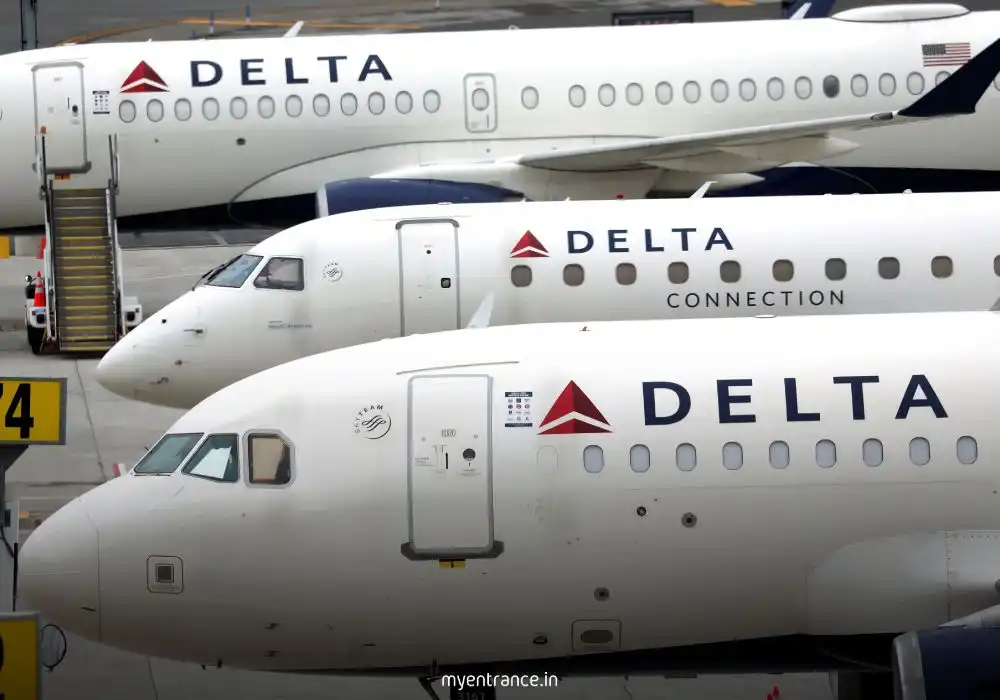
As we look towards 2025, industry analysts and economic forecasters project a fascinating hierarchy among global airlines, shaped by post-pandemic recovery, strategic investments, and evolving travel patterns. At the zenith of this financial ranking, Delta Air Lines of the USA is anticipated to firmly establish itself as the wealthiest airline globally, boasting a projected market capitalization of $40.5 billion. This remarkable valuation underscores its robust route network, customer loyalty, and strategic operational efficiencies.
Following closely in this highly competitive sphere, several other aviation giants are expected to command substantial market influence and asset bases. American carriers, with their vast domestic networks and significant international reach, typically feature prominently. Companies like American Airlines and United Airlines, with their extensive global hubs and strategic alliances, are consistently strong contenders, leveraging substantial fleets and passenger volumes to generate significant revenue and maintain high asset values. The focus on enhancing passenger experience, optimizing fuel efficiency, and expanding high-yield international routes are critical drivers for these North American behemoths.
Beyond the American landscape, airlines known for their expansive global footprints and premium services are also projected to hold formidable positions. Lufthansa Group, a European aviation powerhouse, is consistently recognized for its diverse portfolio including passenger, cargo, and MRO (Maintenance, Repair, and Overhaul) services, contributing significantly to its overall financial strength. Similarly, the Middle Eastern carriers, such as Emirates and Qatar Airways, are renowned for their strategic geographical positioning, luxury services, and significant investments in modern aircraft, enabling them to capture a substantial share of long-haul international travel and maintain impressive asset valuations.
Other key players expected to round out this elite group include Southwest Airlines, acclaimed for its highly efficient low-cost model within the US, demonstrating that profitability and market leadership aren’t solely the domain of full-service carriers. European conglomerate International Airlines Group (IAG), which includes flag carriers like British Airways and Iberia, leverages its broad network and diversified offerings across various market segments. Furthermore, Asia’s dynamic aviation market ensures that carriers such as Singapore Airlines, celebrated for its world-class service and strategic regional hub, and China Southern Airlines, benefiting from the immense domestic and international growth of the Chinese market, are also vital components of the top echelons of global airline wealth. Each of these entities exemplifies how strategic management, adapting to market demands, and robust financial planning contribute to their projected dominance.
Relevance for Competitive Examinations
For aspirants preparing for UPSC, SSC, PSC, NID, NIFT, and other government exams, understanding the financial dynamics of the global airline industry goes beyond mere memorization. It ties into broader topics like international economics, trade routes, geopolitical relations, and the impact of global events on specific industries. Questions might arise concerning the factors contributing to an airline’s profitability, the role of government policies in aviation, the implications of technological advancements, or even the environmental impact of such large-scale operations. By grasping the intricacies of market capitalization, total assets, and the strategic positioning of these global aviation titans, candidates can develop a comprehensive understanding crucial for analytical and current affairs sections of their examinations. Staying updated on such developments ensures a well-rounded perspective, essential for success in highly competitive environments. Explore all exam updates on myentrance to stay informed about notifications and deadlines.





