
India is embarking on an ambitious journey towards sustainable energy, and at its heart lies the groundbreaking National Green Hydrogen Mission. While a recent logo design contest launched by the Ministry of New and Renewable Energy might seem like a mere competition, it signals the rising importance of this critical initiative for our nation’s future – and for your upcoming competitive examinations like UPSC, SSC, PSC, NID, NIFT, and other government roles. For aspirants seeking to excel, understanding this mission is no longer optional, but essential.
National Green Hydrogen Mission (NGHM)
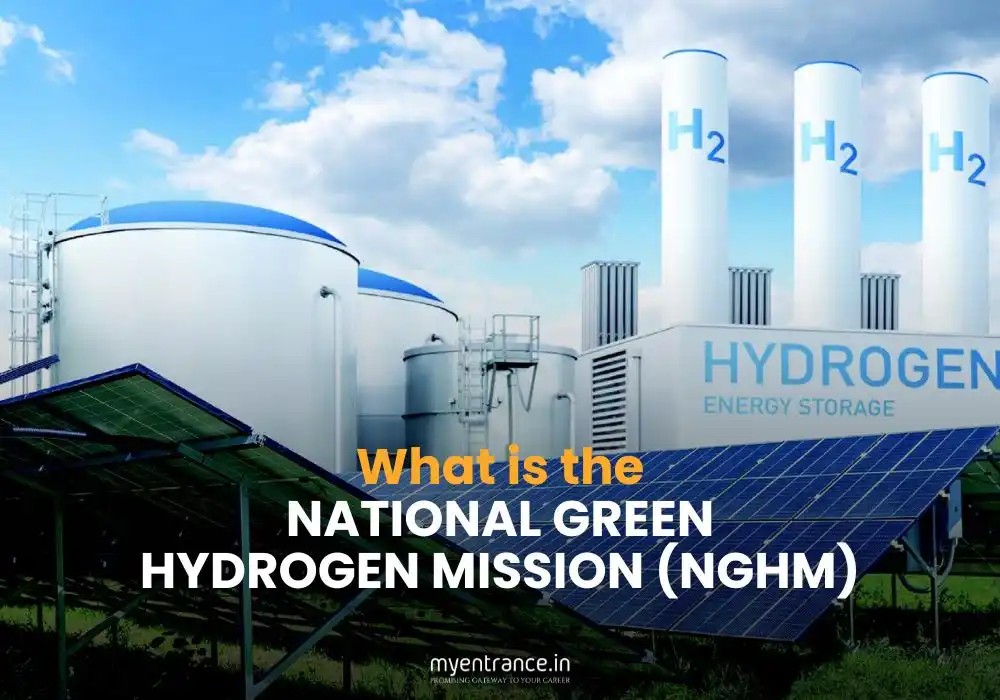
The National Green Hydrogen Mission (NGHM) is India’s strategic push to become a global hub for the production, utilization, and export of green hydrogen and its derivatives. So, what exactly is green hydrogen? It’s hydrogen produced through the electrolysis of water using renewable energy sources such as solar and wind power. This process ensures zero carbon emissions, making it an incredibly clean fuel source.
The ‘why’ behind this mission is multifaceted and profound. Firstly, India heavily relies on fossil fuel imports, which drains our foreign exchange and exposes us to global energy price volatility. Green hydrogen offers a pathway to energy independence and security. Secondly, it is a powerful weapon against climate change. By replacing fossil fuels in industries like refining, fertilizers, steel, and even transportation, green hydrogen can significantly reduce our carbon footprint, helping India meet its ambitious climate targets. Thirdly, this mission has immense economic potential. It promises to create millions of jobs, foster innovation, attract green investments, and position India as a leader in emerging green technologies on the world stage.
The Logo Contest: A Gateway to National Engagement
The recent announcement by the Ministry of New and Renewable Energy for a logo design contest for the National Green Hydrogen Mission serves a significant purpose beyond simply finding a catchy visual. A compelling logo is a powerful symbol that can encapsulate the essence and aspirations of a national mission. It acts as a beacon, generating public awareness, fostering a sense of ownership, and building a distinct identity for this pivotal initiative both domestically and internationally.
By inviting citizens to participate, the Ministry aims to democratize the mission’s branding, making it a collective endeavor. Such contests are a common governmental tool to engage the public, stimulate creativity, and build widespread support for national objectives. The substantial cash prize of one lakh rupees and a certificate of recognition for the winning design underscores the value placed on this visual representation, signifying the government’s commitment to making the NGHM a widely recognized and celebrated national movement. For those preparing for descriptive papers or interviews, understanding this public engagement strategy is valuable for analyzing policy implementation.
How the National Green Hydrogen Mission Impacts Your Exams
For serious aspirants, every major national initiative presents a goldmine of information for various sections of competitive examinations. The National Green Hydrogen Mission is no exception.
* Current Affairs: This is a top-tier topic. Expect questions on the mission’s launch, objectives, key ministries involved (Ministry of New and Renewable Energy), funding, and recent developments. Daily news quizzes will frequently feature updates on green hydrogen policies.
* General Studies (GS Paper III – Economy & Environment for UPSC): The NGHM directly relates to India’s energy security, sustainable development, climate change mitigation, industrial growth, and technological advancements. Questions can delve into its economic implications, environmental benefits, challenges in implementation (e.g., cost of production, infrastructure), and its role in achieving India’s Net Zero targets.
* Static General Knowledge: Basic concepts of hydrogen production, electrolysis, renewable energy sources, and global efforts in green energy can be tested. Knowing the difference between grey, blue, and green hydrogen is crucial.
* Essay Writing & Interview Preparation: The NGHM is an excellent topic for essays, group discussions, and interview questions on India’s energy policy, climate action, economic growth, and technological leadership. Being able to articulate the ‘why,’ ‘what,’ and ‘how’ of this mission demonstrates a well-rounded understanding of national priorities.
* Science & Technology: Understanding the scientific principles behind green hydrogen production and its various applications falls under this segment.
Staying updated on such crucial national missions, analyzing their objectives, and understanding their broader implications is a core skill for any aspirant. The National Green Hydrogen Mission is not just about a logo or a new fuel; it’s about shaping India’s future, and mastering its details will undoubtedly give you an edge in your examination journey.
Frequently Asked Questions (FAQs)
1. What is the primary objective of India’s National Green Hydrogen Mission?
The main objective is to establish India as a global hub for the production, utilization, and export of green hydrogen and its derivatives, thereby enhancing energy security, reducing carbon emissions, and fostering economic growth through new industries and job creation.
2. Why is ‘Green Hydrogen’ considered superior to other forms of hydrogen?
Green hydrogen is produced using renewable energy sources like solar and wind power to split water molecules (electrolysis), resulting in zero greenhouse gas emissions during its production. This makes it the cleanest form of hydrogen, unlike grey hydrogen (produced from fossil fuels with high emissions) or blue hydrogen (produced from fossil fuels with carbon capture).
3. Which ministry is primarily responsible for implementing the National Green Hydrogen Mission in India?
The Ministry of New and Renewable Energy (MNRE) is the nodal ministry primarily responsible for driving and overseeing the implementation of the National Green Hydrogen Mission.
4. How can understanding the National Green Hydrogen Mission help me in my competitive exams?
This mission is a crucial current affairs topic and directly relates to General Studies papers covering economy, environment, science & technology, and energy security. It provides excellent content for essays, group discussions, and interview questions on sustainable development, climate change, and India’s future energy landscape.
5. What is the significance of the logo design contest for the National Green Hydrogen Mission?
The logo design contest aims to create a powerful visual identity for the mission, increasing public awareness, fostering national engagement, and building a sense of collective ownership. A strong logo helps in communicating the mission’s vision and goals effectively, both domestically and internationally.





