Translate Language
What is the ‘Brain-Eating Amoeba’? Decoding the Science of Primary Amoebic Meningoencephalitis (PAM)
Kerala’s health department has raised an alarm following a cluster of rare and deadly brain infections. This situation is a critical area of study for competitive exam aspirants, blending current events with scientific knowledge. Understanding this public health issue is essential for tackling questions on health, environment, and governance.
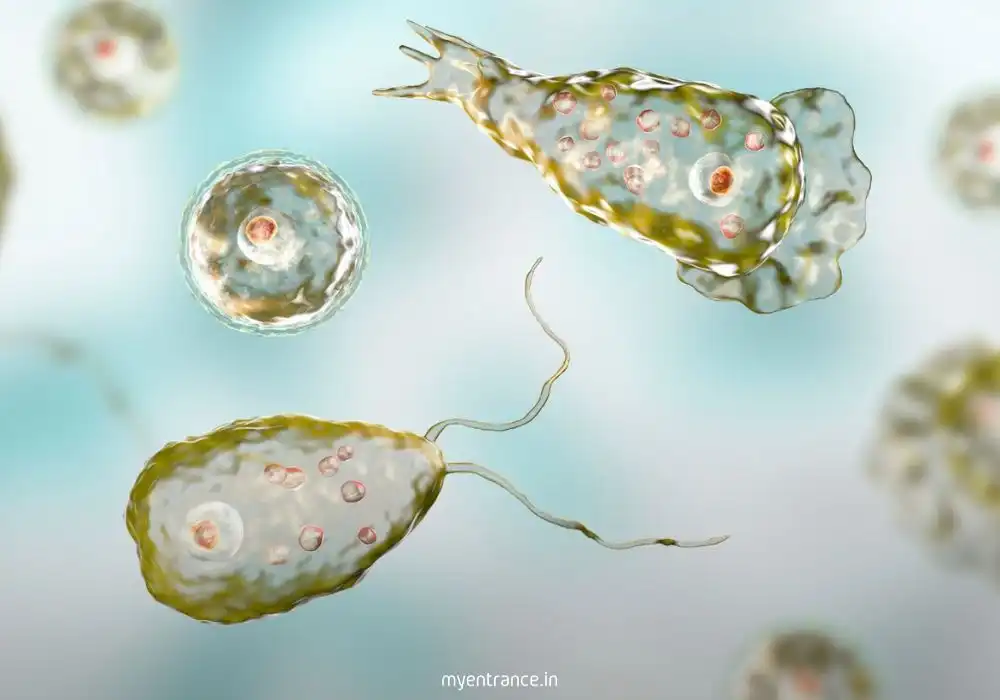
Faculty’s In-Depth Analysis: The Naegleria fowleri Challenge
Aspirants, let’s break down this pressing issue from an exam-oriented perspective. The recent alert in Kozhikode district, with three cases and one tragic death, is not just a news headline; it’s a multidimensional topic touching upon science, environment, and public administration.
Understanding the Pathogen: What is Naegleria fowleri?
Naegleria fowleri is a free-living amoeba, often dubbed the “brain-eating amoeba.” It is commonly found in warm freshwater bodies like lakes, rivers, and poorly maintained swimming pools, as well as in soil. Contrary to what the name might suggest, it doesn’t literally “eat” the brain but causes devastating inflammation and tissue destruction once it enters the nervous system. This leads to a severe brain infection known as Primary Amoebic Meningoencephalitis (PAM).
Mode of Infection and Seasonal Link
This is a key differentiator. The infection does not spread by drinking contaminated water. It occurs when water containing the amoeba is forced deep into the nasal passages. This can happen during activities like swimming, diving, or even ritual nasal cleansing. Importantly, PAM is more likely to occur in the summer and early autumn seasons when water temperatures are warmer, providing an ideal environment for the amoeba to thrive. This seasonal link is a potential hot topic for MCQs.
Recognizing the Symptoms: A Timeline of Illness
The initial symptoms of PAM are deceptively common, often mimicking bacterial meningitis or even a severe flu. They start 1-9 days after exposure and include severe headache, high fever, nausea, and vomiting. As the disease progresses rapidly (within 1-12 days), more severe neurological signs appear: a stiff neck, confusion, lack of attention to people and surroundings, seizures, hallucinations, and eventually coma. This rapid progression is what makes the disease so fatal.
Kerala’s Battle and a Glimmer of Hope
Here’s a crucial Static GK update for your Kerala PSC exams. While the first case in India was reported in 1971, Kerala’s first case was documented in 2016. Historically, the global fatality rate is a staggering 97%. However, Kerala’s medical response has been groundbreaking. The state issued India’s first special treatment protocol for this disease, which has dramatically improved outcomes. From 2016-2023, the state had only eight cases, but last year saw 36 positive cases and nine deaths, prompting increased vigilance.
A monumental achievement was in July 2024 when a 14-year-old boy from Kozhikode became the first Indian survivor of PAM, joining only a handful of survivors worldwide. This has brought Kerala’s fatality rate down to an impressive 25%, a significant deviation from the global standard and a testament to advanced medical intervention.
The Larger Context: AES, Climate Change, and Public Health
Why the sudden spike in cases? Experts point to two main factors. First, increased and improved testing for Acute Encephalitis Syndrome (AES)—a broader term for brain inflammation with multiple causes—has led to more accurate identification of PAM cases. Second, and critically for UPSC Mains answers on environment and health, is the role of climate change. Naegleria fowleri thrives in warm water up to 46°C. Rising global temperatures create more favourable conditions for this amoeba in freshwater bodies, expanding its potential habitat and increasing the risk of human exposure. This is a classic example of how environmental changes directly impact public health.
For a deeper dive into such interconnected topics, ensure you are following our Daily Current Affairs updates.
Key Questions for Your Exam Preparation
Q1: Naegleria fowleri, recently in the news, is best associated with which of the following conditions?
A: Primary Amoebic Meningoencephalitis (PAM)
Q2: During which season is infection from the ‘brain-eating amoeba’ most prevalent and why?
A: It is most prevalent during summer and early autumn because the amoeba thrives in warm freshwater, and higher temperatures during these seasons provide an ideal environment for its multiplication.
Q3: How does Naegleria fowleri primarily enter the human body to cause infection?
A: It enters through the nasal passages when contaminated water is forced up the nose during activities like swimming, diving, or ritual practices. It is not transmitted by drinking contaminated water.
Q4: What is the significance of Kerala’s achievement in managing PAM cases?
A: Kerala has successfully reduced the fatality rate from the global average of 97% to around 25% through a specialized state-wide treatment protocol and recorded India’s first survivor of the infection in July 2024.
Q5: The rise in PAM cases is indirectly linked to climate change. Explain.
A: Naegleria fowleri is a thermophilic (heat-loving) organism that thrives in warm water up to 46°C. Rising global temperatures lead to warmer freshwater bodies, creating a more extensive and conducive habitat for the amoeba, thereby increasing the potential for human exposure and infection.
Read More Topics