
Unlocking India’s Tribal Potential: Decoding the Adi Karmayogi Abhiyan
The landscape of Indian governance is continually evolving, bringing forth initiatives designed to uplift and empower various sections of society. For aspirants preparing for prestigious competitive examinations like UPSC, SSC, PSC, and other government-level tests, understanding these programs is not just about memorizing facts, but grasping their underlying purpose, mechanism, and broader impact. One such pivotal initiative that has recently garnered significant attention is the Adi Karmayogi Abhiyan. Let’s delve deep into its essence, crucial for mastering your current affairs and general knowledge sections.
What is the Adi Karmayogi Abhiyan? A Comprehensive Overview
At its core, the Adi Karmayogi Abhiyan represents a national movement dedicated to fostering unparalleled self-reliance and self-sufficiency within India’s tribal villages. Envisioned as a transformative force, this initiative moves beyond traditional welfare approaches, aiming instead to catalyze inherent strengths and capabilities within indigenous communities. It’s about empowering tribal populations to become active contributors to their own development journey, ensuring sustainable progress from within.
Why Was This Abhiyan Launched? Understanding Its Core Objectives
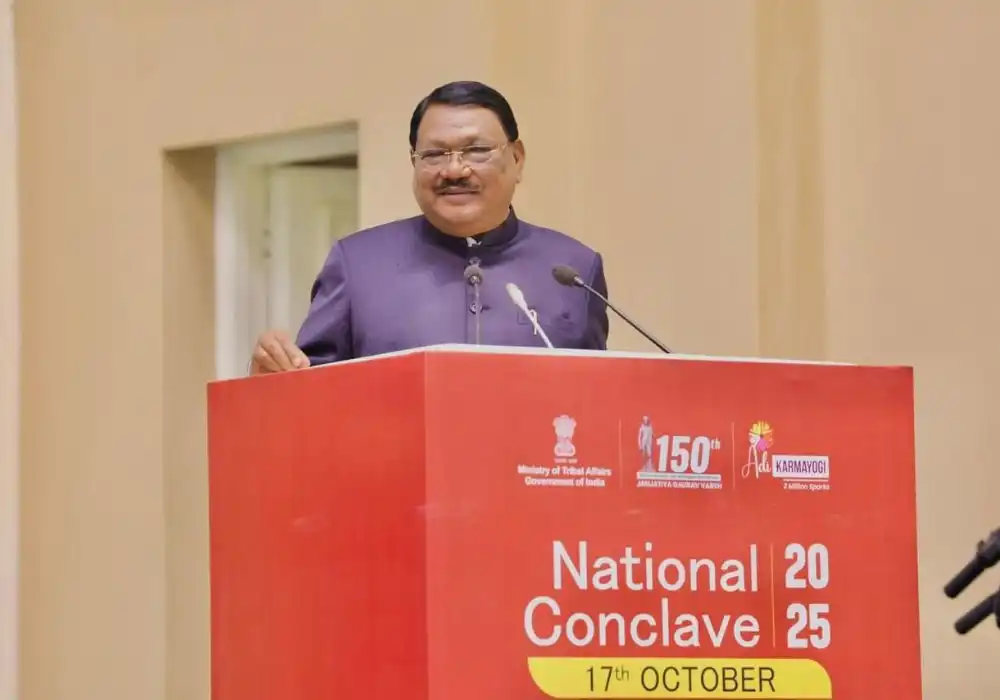
The primary impetus behind the Adi Karmayogi Abhiyan stems from a profound recognition of the need to address historical disparities and unlock the immense potential residing in tribal areas. President Droupadi Murmu, a strong advocate for tribal welfare, emphasized the core objective during the National Conclave on the Abhiyan in New Delhi. The “why” behind this initiative can be broken down into several key objectives:
* Promoting Economic Self-Reliance: The Abhiyan aims to create avenues for tribal communities to generate their own livelihoods, reduce dependence on external aid, and build robust local economies. This involves skill development tailored to local resources and traditional knowledge, along with integrating them into wider economic opportunities.
* Ensuring Self-Sufficiency: Beyond mere income generation, the initiative strives for comprehensive self-sufficiency, encompassing aspects like food security, sustainable resource management, and access to essential services within the villages themselves.
* Empowering Community Participation: A crucial aspect is the active and meaningful participation of tribal communities in the planning, implementation, and monitoring of developmental projects. This bottom-up approach ensures that initiatives are relevant, culturally sensitive, and genuinely meet the needs of the beneficiaries.
* Preserving Cultural Heritage: While driving development, the Abhiyan also places a strong emphasis on safeguarding and promoting the rich cultural heritage, traditions, and unique knowledge systems of tribal communities.
* Bridging Development Gaps: By focusing on holistic development, the Abhiyan seeks to bridge the existing gaps in infrastructure, education, health, and economic opportunities that tribal villages often face, integrating them more effectively into the national development mainstream.
Who is Driving This Initiative? The Role of Key Stakeholders
The launch of the Adi Karmayogi Abhiyan marks a significant commitment from the highest levels of governance. President Droupadi Murmu, a distinguished voice for tribal rights and development, formally inaugurated this ambitious program. Her personal involvement underscores the government’s dedication to the cause of tribal empowerment. The implementation involves a collaborative effort, bringing together various government ministries, tribal welfare organizations, non-governmental entities, and most importantly, the tribal communities themselves.
Where Will the Impact Be Felt? Geographical Scope
The impact of the Adi Karmayogi Abhiyan is intended to resonate across every single tribal village throughout India. This pan-India approach signifies a comprehensive commitment to transforming the lives of indigenous populations wherever they reside. From remote forest settlements to villages on the fringes of urban areas, the program aims to reach the last mile, ensuring no tribal community is left behind in the journey towards self-reliance.
How Will Self-Reliance Be Achieved? The Abhiyan’s Mechanism
Achieving the ambitious goals of self-reliance and self-sufficiency requires a multi-faceted approach. The “how” of the Adi Karmayogi Abhiyan involves several strategic pillars:
* Capacity Building and Skill Enhancement: A key focus is on providing relevant skill development programs that leverage traditional knowledge while integrating modern techniques. This could range from enhancing agricultural practices and forest produce collection to vocational training in areas like handicrafts, digital literacy, and entrepreneurship.
* Promoting Local Leadership: The Abhiyan emphasizes nurturing and empowering local tribal leaders and community organizations to take ownership of developmental activities.
* Access to Resources and Markets: Facilitating better access to financial resources, technology, quality education, healthcare, and viable markets for tribal products is crucial for sustained growth.
* Sustainable Resource Management: Encouraging practices that ensure the sustainable use of natural resources, which are often central to tribal livelihoods and culture, forms an integral part of the strategy.
* Convergence of Schemes: The Abhiyan aims to achieve synergy by converging existing government schemes related to tribal welfare, rural development, skill development, and education, thereby maximizing their collective impact.
Significance for Your Competitive Exams
For aspirants, the Adi Karmayogi Abhiyan is more than just a piece of current news; it’s a vital topic that can appear in multiple sections of competitive exams:
* Current Affairs: Directly relevant for questions on recent government initiatives, policy reforms, and social development programs.
* General Knowledge (GK): Important for static GK related to tribal welfare, social justice, and government flagship schemes.
* Indian Polity & Governance: Provides a case study for questions on federalism, decentralization, community participation, and the role of the President.
* Indian Economy: Relevant for understanding rural development, poverty alleviation, livelihood generation, and inclusive growth models.
* Essay Writing/Mains Exam: Offers rich content for essays or analytical questions on tribal empowerment, sustainable development, self-reliance, and challenges faced by indigenous communities. Understanding its ‘why,’ ‘what,’ ‘how,’ and ‘impact’ will enable you to construct well-reasoned answers.
Frequently Asked Questions (FAQs)
Q1: What is the primary objective of the Adi Karmayogi Abhiyan?
A1: The primary objective is to make every tribal village across India self-reliant and self-sufficient by empowering their communities, fostering economic independence, and ensuring sustainable development rooted in local participation.
Q2: Who launched the Adi Karmayogi Abhiyan?
A2: The Adi Karmayogi Abhiyan was launched by President Droupadi Murmu during the National Conclave on the Abhiyan in New Delhi.
Q3: Which communities are the main beneficiaries of this Abhiyan?
A3: The Abhiyan is specifically designed to benefit the tribal communities residing in villages across India, focusing on their holistic development and empowerment.
Q4: How does the Adi Karmayogi Abhiyan aim to achieve self-reliance in tribal villages?
A4: It aims to achieve self-reliance through various strategies including capacity building, skill development tailored to local contexts, promoting active community participation, facilitating access to resources and markets, and ensuring sustainable utilization of natural resources.
Q5: Why is the Adi Karmayogi Abhiyan important for candidates preparing for competitive exams like UPSC, SSC, etc.?
A5: This Abhiyan is crucial for competitive exams as it represents a significant government initiative related to tribal welfare, social justice, and rural development. It provides essential content for current affairs, general knowledge, Indian polity, economy, and essay writing sections, reflecting the government’s policies and developmental priorities.





