Translate Language
What is Pradhan Mantri Jan Dhan Yojana: 11 Years of PMJDY
The Pradhan Mantri Jan Dhan Yojana stands as a monumental pillar in India’s economic landscape. This transformative scheme was designed to integrate every citizen into the formal banking system. Its success story offers critical lessons in policy implementation and governance.
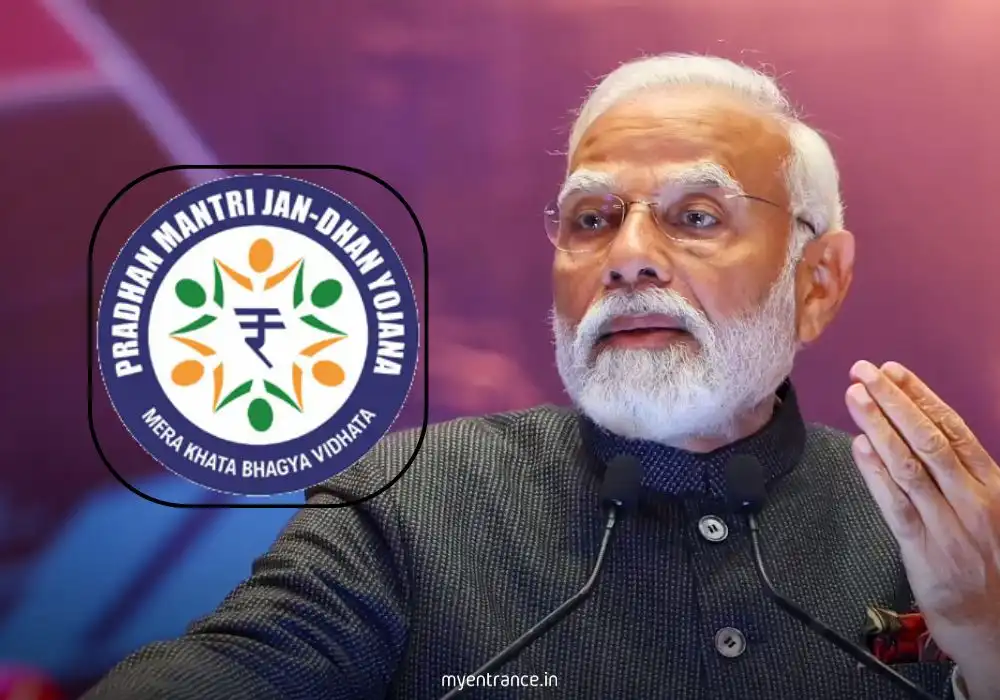
Decoding the Pradhan Mantri Jan Dhan Yojana (PMJDY): A Faculty’s Perspective
For aspirants preparing for prestigious examinations like UPSC, SSC, and State PSCs, understanding government schemes is not about memorizing dates but about comprehending their vision, architecture, and impact. The Pradhan Mantri Jan Dhan Yojana, launched on the 28th of August, 2014, following an announcement by Prime Minister Narendra Modi on Independence Day, is a quintessential example of a policy with far-reaching consequences. It was envisioned not merely as a banking scheme but as a national mission for comprehensive financial inclusion, aiming to break the vicious cycle of poverty by providing equitable access to financial tools.
The Core Objectives and Integrated Approach
The primary objective of PMJDY was to eradicate financial untouchability by ensuring every household had access to a basic savings bank account. This account was designed to be the first step towards a suite of financial services. The scheme’s integrated approach goes beyond just account opening; it seamlessly provides access to need-based credit, facilitates remittances, and offers insurance and pension facilities. This holistic model ensures that an account holder is not just included in the system but is empowered to use it for growth and security.
Salient Features That Drove Its Success
Several user-centric features catalyzed the widespread adoption of PMJDY. The scheme allows for the opening of a zero-balance account at any bank branch or Business Correspondent (Bank Mitra) outlet, significantly lowering the entry barrier. Each account holder is issued an indigenous Rupay debit card, promoting digital transactions and financial autonomy. Crucially, every account is integrated into the Core Banking System, ensuring reliability and nationwide access. Understanding the digital divide, the scheme also pioneered the use of USSD-based mobile banking, enabling transactions on basic feature phones without internet connectivity, thus truly catering to the last mile.
7 Crucial Questions and Answers on Pradhan Mantri Jan Dhan Yojana
1. On which date was the Pradhan Mantri Jan Dhan Yojana officially launched?
The Pradhan Mantri Jan Dhan Yojana was officially launched on the 28th of August, 2014.
2. From where was the PMJDY first announced by the Prime Minister?
The scheme was first announced by Prime Minister Narendra Modi from the ramparts of the Red Fort during his Independence Day speech on the 15th of August, 2014.
3. What is the overarching goal of the Jan Dhan Yojana?
The overarching goal of PMJDY is to achieve comprehensive financial inclusion by providing every household in India with access to a range of banking services, including savings, credit, insurance, and pension.
4. Name two key financial services provided under the PMJDY scheme.
Two key services include access to need-based credit (overdraft facility) and provision of a free Rupay debit card for digital transactions.
5. What makes the PMJDY account accessible to the poorest of the poor?
The account can be opened with zero balance, making it financially accessible to everyone, irrespective of their economic status.
6. Which technology enables mobile banking for feature phone users under this scheme?
The USSD (Unstructured Supplementary Service Data) technology enables mobile banking on basic feature phones without requiring an internet connection.
7. What does the Rupay debit card symbolize in the context of this scheme?
The Rupay debit card symbolizes the promotion of an indigenous payment system and empowers account holders by facilitating cashless transactions and access to their funds anytime.
Why is Understanding PMJDY Vital for Your SSC, UPSC, and PSC Exams?
For a serious aspirant, the Pradhan Mantri Jan Dhan Yojana is not just a current affair topic; it is a multidimensional case study. In the UPSC examination, questions can feature in the Preliminary exam based on its features, and in the Mains, it can be central to answers in GS Paper II (Governance) and GS Paper III (Economy) concerning financial inclusion, direct benefit transfer (DBT), and its role in poverty alleviation. For SSC and State PSC exams, objective questions on its launch date, key benefits, and associated figures are frequently asked. Furthermore, the scheme’s success in leveraging technology for last-mile connectivity and its role in promoting a less-cash economy makes it a perfect example for essays and interviews. Mastering the intricacies of PMJDY equips you with analytical depth to tackle questions on social sector schemes, governance, and inclusive growth, giving you a significant edge over the competition.
Read More Topics