
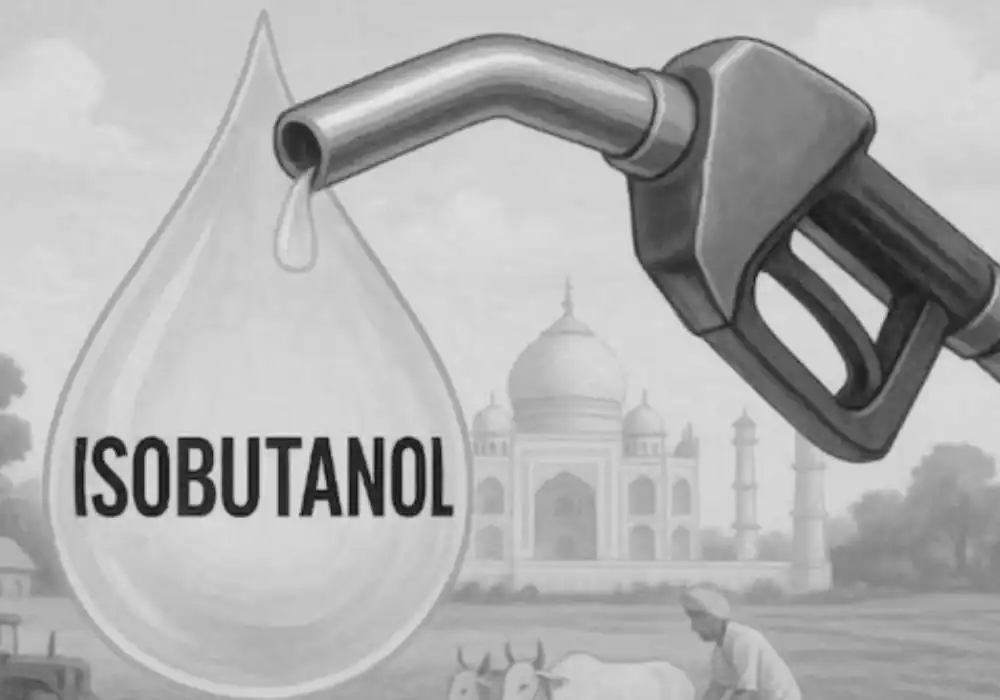
India’s Quest for Sustainable Fuel Alternatives
India, a rapidly developing nation, faces significant challenges in meeting its escalating energy demands while simultaneously addressing environmental concerns. Our heavy reliance on imported fossil fuels not only strains our economy but also contributes to air pollution and climate change. To counter these issues, the government has been actively exploring various alternative fuel options, aiming to enhance energy security and promote cleaner emissions. This proactive approach is crucial for sustainable development and is a recurring theme in national policies, making it a vital topic for aspiring candidates preparing for competitive examinations like UPSC, SSC, PSC, and other government-level tests. Our platform offers reliable static general knowledge material that is fact-checked and accurate.
Why the Shift? Understanding India’s Fuel Dilemma
For years, ethanol has been a prominent biofuel in India, primarily blended with petrol to reduce reliance on gasoline imports and lower emissions. However, the application of ethanol for diesel engines presented distinct challenges. Initial trials for blending ethanol with diesel faced technical hurdles, primarily due to ethanol’s lower energy density and its tendency to separate from diesel, especially in the presence of water. These issues could lead to engine performance problems, corrosion, and operational complexities, making large-scale implementation unviable for diesel vehicles. It became clear that a different, more compatible alternative was needed for the nation’s vast diesel consumption. The failure of ethanol-diesel blending compelled researchers and policymakers to look for a more suitable substitute, bringing isobutanol into the spotlight as a promising contender.
What is Isobutanol? A Closer Look at the New Contender
Isobutanol is an alcohol that, unlike ethanol, possesses properties that make it more compatible with diesel fuel. Chemically, it is a four-carbon alcohol, which gives it a higher energy density compared to ethanol. This means that an isobutanol-diesel blend can offer a performance closer to pure diesel, mitigating some of the drawbacks experienced with ethanol. Moreover, isobutanol has a lower miscibility issue with diesel, meaning it mixes better and is less prone to phase separation, even with small amounts of water. This stability is critical for long-term storage and consistent engine performance. The Automotive Research Association of India (ARAI), a leading automotive research and development organization, has been instrumental in conducting comprehensive studies and trials on isobutanol-diesel blends, rigorously evaluating their technical feasibility, emission profiles, and overall performance in various engine types. Their involvement underscores the scientific rigor behind this government exploration.
How Isobutanol Blending Can Transform Our Energy Landscape
The exploration of isobutanol blending with diesel is a strategic move with multiple potential benefits. From an environmental perspective, isobutanol can help reduce harmful emissions, including particulate matter and nitrogen oxides, which are major contributors to air pollution, particularly in urban areas. By replacing a portion of conventional diesel with a cleaner-burning biofuel, India can make significant strides towards achieving its climate action goals. Economically, successful implementation could lead to a reduction in crude oil imports, saving valuable foreign exchange and bolstering India’s energy independence. Furthermore, it could open new avenues for domestic production of isobutanol, potentially benefiting the agricultural sector if biomass is used as a feedstock, or the chemical industry. For consumers, a cleaner-burning fuel could translate into better engine health and potentially reduced running costs, although these aspects would require careful evaluation post-implementation. This initiative represents a comprehensive approach to addressing energy, environment, and economic concerns simultaneously.
The Road Ahead: Challenges and Opportunities
While the prospects of isobutanol blending are promising, the journey ahead involves navigating several challenges. The large-scale production of isobutanol needs robust infrastructure and cost-effective manufacturing processes to ensure it is economically viable. Research and development efforts are ongoing to optimize production methods, possibly utilizing sustainable feedstocks like agricultural waste or non-food crops, aligning with India’s biofuel policy. Additionally, ensuring the compatibility of isobutanol-diesel blends with the existing fleet of diesel vehicles without requiring significant modifications is crucial for widespread adoption. The government’s role will be pivotal in formulating supportive policies, offering incentives for production, and creating the necessary regulatory framework to facilitate this transition. This phased approach, involving continuous research, pilot projects, and stakeholder engagement, will determine the ultimate success of isobutanol in India’s energy mix.
Frequently Asked Questions (FAQs)
Q1: What exactly is Isobutanol, and why is it being considered for diesel blending?
A1: Isobutanol is an alcohol with four carbon atoms, making it a higher alcohol compared to ethanol. It’s being considered for blending with diesel because it has better compatibility, higher energy content, and causes less phase separation compared to ethanol, which previously faced technical challenges when tried with diesel.
Q2: Why did ethanol-diesel blending trials fail, leading to the exploration of Isobutanol?
A2: Ethanol-diesel blending trials faced issues primarily due to ethanol’s lower energy density and its tendency to separate from diesel, especially in the presence of even small amounts of water. This could lead to engine performance problems, storage difficulties, and potential damage, making it unsuitable for widespread use in diesel engines.
Q3: What are the main benefits India hopes to achieve by blending Isobutanol with diesel?
A3: India aims to achieve several benefits, including reducing reliance on imported crude oil, which boosts energy security and saves foreign exchange. Environmentally, it can help lower harmful emissions such as particulate matter and nitrogen oxides. Economically, it could create new domestic industries and potentially offer a cleaner, more efficient fuel alternative.
Q4: Which organization is involved in testing and validating Isobutanol-diesel blends in India?
A4: The Automotive Research Association of India (ARAI) is a key organization involved in conducting comprehensive research, testing, and validation of isobutanol-diesel blends. They are assessing the technical feasibility, emission characteristics, and overall performance of these blends in various automotive applications.
Q5: How is this topic relevant for competitive exams like UPSC, SSC, and PSC?
A5: This topic is highly relevant for competitive exams as it falls under Current Affairs, General Science (Chemistry, Energy), Environment (Pollution, Climate Change), and Economy (Energy Security, Import Reduction, Industrial Development). Questions may arise on alternative fuels, government policies, environmental initiatives, and specific scientific properties of biofuels.





