
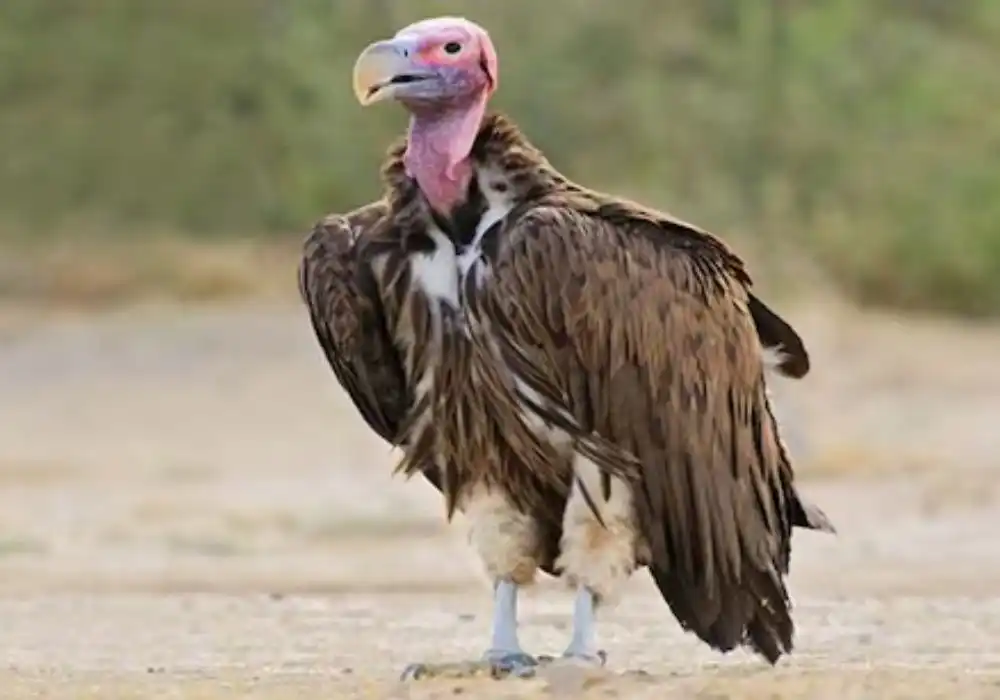
The world faces constant threats from emerging diseases, yet often, the most effective guardians against potential pandemics are found in unexpected corners of nature. Among these, vultures stand out as critical, albeit often misunderstood, protectors. For aspirants preparing for competitive examinations like SSC, UPSC, PSC, NID, NIFT, and other government roles, understanding the intricate web of ecological balance and its direct impact on human health is not just academic; it’s essential general knowledge that frequently appears in environmental science and current affairs sections. You can stay ahead with our gk exam updates delivered straight to you.
Why Vultures Are Indispensable: Nature’s Ultimate Clean-Up Crew
Vultures are often perceived with a degree of apprehension due to their diet, yet it is precisely this diet that makes them invaluable. They are obligate scavengers, meaning their primary food source is carrion – the decaying flesh of dead animals. This unique dietary habit positions them as nature’s most efficient clean-up crew. Imagine a landscape littered with animal carcasses; without scavengers, these bodies would decompose slowly, creating breeding grounds for disease-causing bacteria and viruses. Vultures, with their keen eyesight, quickly locate and consume these carcasses, removing them from the environment at an astonishing rate. This swift disposal prevents the accumulation of putrefying organic matter, which would otherwise become a focal point for various health hazards.
Vultures’ Biological Shield Against Disease Spread
The true genius of a vulture lies not just in its scavenging efficiency but in its remarkable biology. Unlike other scavengers, vultures possess an incredibly corrosive stomach acid, far more potent than that found in most animals. This highly acidic environment acts as a powerful sterilizer, effectively neutralizing and destroying a vast array of dangerous pathogens, including those responsible for anthrax, rabies, botulism, and hog cholera, which would remain viable and infectious in other circumstances. When a vulture consumes an infected carcass, it doesn’t just remove the body; it eradicates the disease agents within its digestive system, preventing their re-entry into the ecosystem. This unique physiological adaptation breaks the chain of disease transmission from dead animals to other potential carriers, such as stray dogs, rats, or even insects, which are far more likely to spread infections to human populations. By eliminating these intermediaries, vultures significantly reduce the overall risk of disease outbreaks and, consequently, potential pandemics.
The Peril of Decline: What Happens When Vultures Disappear?
The critical role of vultures becomes starkly evident when their populations face decline. History has provided us with a sobering example, particularly in the Indian subcontinent during the 1990s and early 2000s. The widespread use of diclofenac, a veterinary anti-inflammatory drug, proved toxic to vultures that consumed the carcasses of treated livestock. This led to a catastrophic 97-99% collapse in several vulture species across India, Pakistan, and Nepal. The ecological vacuum created by their absence was immediately filled by other scavengers, most notably feral dog populations. These dogs are less efficient at disposing of large carcasses and, crucially, are susceptible to and carriers of diseases like rabies. The result was a dramatic increase in unconsumed animal carcasses, a surge in stray dog populations, and a subsequent rise in rabies cases among humans, illustrating a direct link between vulture health and public health. This real-world scenario perfectly demonstrates how disrupting one element of an ecosystem can have profound and far-reaching consequences, echoing the importance of biodiversity for overall planetary and human well-being.
Global Relevance and Conservation: A United Front for Our Silent Protectors
The importance of vultures transcends specific regions; their role is vital in diverse ecosystems worldwide, from African savannas to the American plains and Asian landscapes. Various species, each adapted to its local environment, contribute to maintaining ecological balance. Recognizing their indispensable service, global conservation efforts have intensified. Bans on harmful drugs like diclofenac, establishment of vulture safe zones, breeding programs, and public awareness campaigns are now crucial initiatives aimed at reversing their decline. Understanding these conservation challenges and successes is highly relevant for general awareness and environmental sections in competitive exams, showcasing how human actions impact natural systems and vice versa.
Your Exam Edge: Connecting the Dots for Competitive Success
For aspiring civil servants and professionals, topics like the role of vultures in preventing pandemics are not just fascinating ecological facts but critical case studies in environmental science, public health, and sustainable development. Questions on biodiversity, species conservation, ecosystem services, and the impact of human activities on natural processes are common across SSC, UPSC, PSC, NID, NIFT, and other government examinations. A comprehensive grasp of such interconnected topics showcases an applicant’s analytical thinking and awareness of contemporary global issues, providing a distinct advantage in a competitive landscape. Don’t miss out on the essential key pointers from today’s news curated for exam relevance.
Frequently Asked Questions (FAQs)
Q1: Why are vultures considered more effective at preventing disease spread from carcasses compared to other scavengers like dogs or rats?
A1: Vultures possess an exceptionally potent digestive system with highly acidic stomach acids. This unique biological feature allows them to quickly neutralize and destroy a wide range of dangerous pathogens, such as those causing anthrax, rabies, and botulism, which would otherwise remain infectious in the environment or in the digestive tracts of other less specialized scavengers.
Q2: What was the primary cause of the catastrophic decline in vulture populations in India during the late 20th and early 21st centuries?
A2: The main culprit was diclofenac, a non-steroidal anti-inflammatory drug (NSAID) commonly used to treat livestock. When vultures consumed the carcasses of animals that had recently been treated with diclofenac, the drug caused kidney failure and eventually death in the birds, leading to a dramatic and rapid population collapse.
Q3: How does the decline of vulture populations indirectly affect human health?
A3: When vultures disappear, unconsumed carcasses accumulate, leading to an increase in other opportunistic scavengers like stray dogs and rats. These animals are often carriers of diseases like rabies and plague, respectively, and their population surge can directly increase the risk of disease transmission to human populations through bites or indirect contact with contaminated environments.
Q4: Are there different types of vultures, and do they all play the same role in preventing diseases?
A4: Yes, there are many different species of vultures found across various continents, broadly categorized as Old World (found in Africa, Asia, and Europe) and New World (found in the Americas) vultures. While they differ in appearance and some behaviors, their fundamental ecological role as carrion feeders and disease preventers remains consistent across all species, making them universally important for ecosystem health.
Q5: What are some of the key conservation efforts currently underway to protect vulture populations globally?
A5: Key conservation efforts include banning harmful veterinary drugs like diclofenac, establishing Vulture Safe Zones where the use of such drugs is strictly monitored, implementing captive breeding programs to reintroduce birds into the wild, and launching extensive public awareness campaigns to highlight their ecological importance and garner support for their protection.





