Translate Language
What Exactly is the PM SVANidhi Scheme? Eligibility, Benefits & Application Process
The PM SVANidhi Scheme stands as a transformative financial safety net for India’s urban street vendors, crippled by the COVID-19 lockdowns. Launched under Prime Minister Modi’s visionary leadership, this initiative offers collateral-free loans to rejuvenate micro-enterprises. For competitive exam aspirants, mastering this scheme is crucial for current affairs and welfare policy sections.
Understanding the PM SVANidhi Scheme’s Genesis
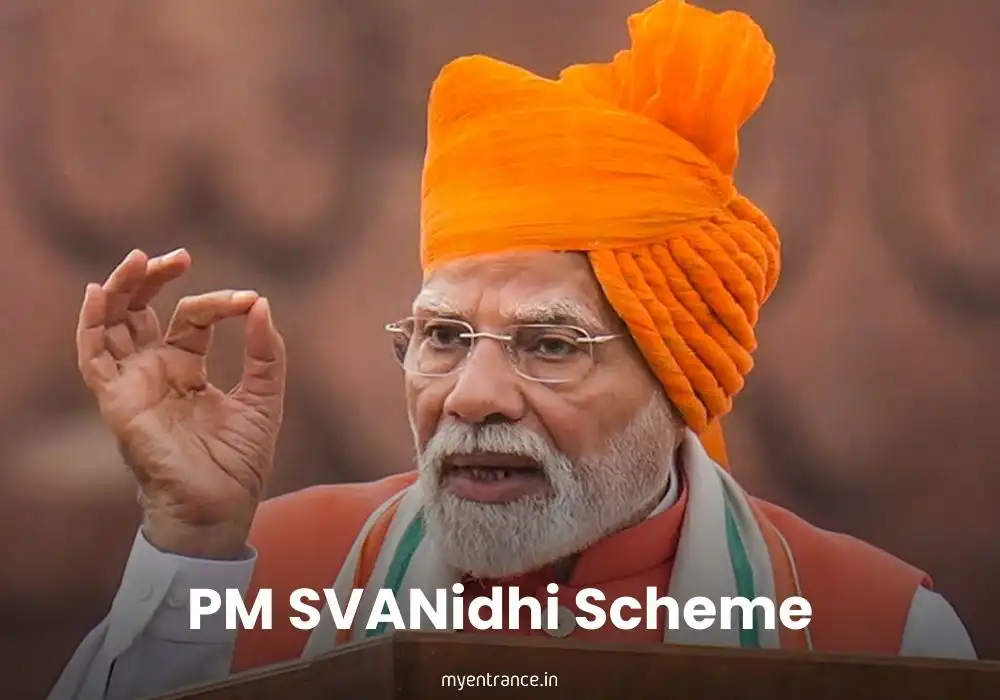
Prime Minister Narendra Modi, during his landmark Independence Day address, spotlighted the PM SVANidhi Yojana as a cornerstone initiative for empowering marginalized urban communities. Officially termed Pradhan Mantri Street Vendor’s AtmaNirbhar Nidhi, this scheme was rolled out on June 1, 2020, as an emergency response to pandemic-induced economic distress. It specifically targets street vendors whose livelihoods faced existential threats during nationwide lockdowns, offering them a financial reboot through accessible credit.
Who Qualifies for PM SVANidhi Support?
Eligibility extends to diverse urban micro-entrepreneurs operating without formal workspace security. This encompasses street hawkers, vegetable/fruit sellers, food cart operators, cobblers, barbers, and small-scale service providers across cities. Crucially, vendors displaced or income-deprived due to COVID-19 restrictions receive priority. The scheme deliberately excludes cumbersome collateral demands, focusing instead on inclusivity for the informal sector’s most vulnerable segments.
Structural Benefits and Progressive Loan Features
The scheme’s brilliance lies in its three-tiered, incentive-driven loan architecture. Vendors initially access ₹10,000 as working capital, repayable over one year. Consistent repayment unlocks a second tranche of ₹20,000, followed by a third-tier loan of ₹50,000—enabling business expansion. Additionally, a 7% annual interest subsidy is deposited quarterly into beneficiaries’ accounts, significantly reducing effective borrowing costs. This laddered approach not only revives businesses but also instills credit discipline and entrepreneurial scalability.
Navigating the Application Workflow
Eligible vendors must apply through their respective Urban Local Bodies (ULBs), submitting identity proofs, vending certificates, and bank details. The process is digitized via the PM SVANidhi portal, with Common Service Centers (CSCs) providing application assistance. Post-verification, loans are directly transferred to beneficiaries’ accounts, typically within 30 days. Timely repayment is monitored to unlock higher-tier loans, making financial prudence a gateway to larger opportunities.
Key Q&As on PM SVANidhi Scheme
Q1: When was PM SVANidhi launched, and what triggered its inception?
A: The scheme was launched on June 1, 2020, as a direct response to the economic devastation inflicted on street vendors by COVID-19 lockdowns.
Q2: Name three occupational groups eligible under PM SVANidhi.
A: Fruit/vegetable hawkers, mobile food vendors, and service providers like cobblers or barbers qualify for assistance.
Q3: How does the scheme incentivize timely loan repayment?
A: Repaying the first loan unlocks higher-value subsequent loans (₹20,000 and ₹50,000), creating a growth pathway for diligent vendors.
Q4: What financial relief does the 7% interest subsidy provide?
A: It reduces the effective interest burden by crediting subsidies quarterly to the vendor’s account, making loans near zero-cost.
Q5: Why is PM SVANidhi relevant for UPSC/PSC aspirants?
A: It exemplifies pro-poor financial inclusion policies—a recurring theme in governance and economy sections of exams like SSC or Kerala PSC.
Read More Topics