
The Vision: Service, Governance, and Farmer Empowerment
India, a civilization rooted deeply in its fertile lands, continues to find its heartbeat in the rhythm of its agricultural sector. For centuries, farmers have been the backbone of our nation, feeding millions and sustaining our economy. Recognizing their indispensable role, modern governance underpins a philosophy of dedicated service and transparent administration – a principle embodied by initiatives like Seva Parv. This isn’t just a fleeting campaign; it’s a concentrated, ongoing effort to elevate the lives of our agricultural community, ensuring their prosperity becomes the cornerstone of national development. For aspirants preparing for demanding examinations like UPSC, SSC, PSC, NID, NIFT, and other government roles, understanding such pivotal national endeavors is not merely about current affairs; it’s about grasping the very essence of India’s developmental trajectory and governance. Regular daily mcq practice on current events is key to scoring well in the gk section.
What Exactly is Seva Parv?
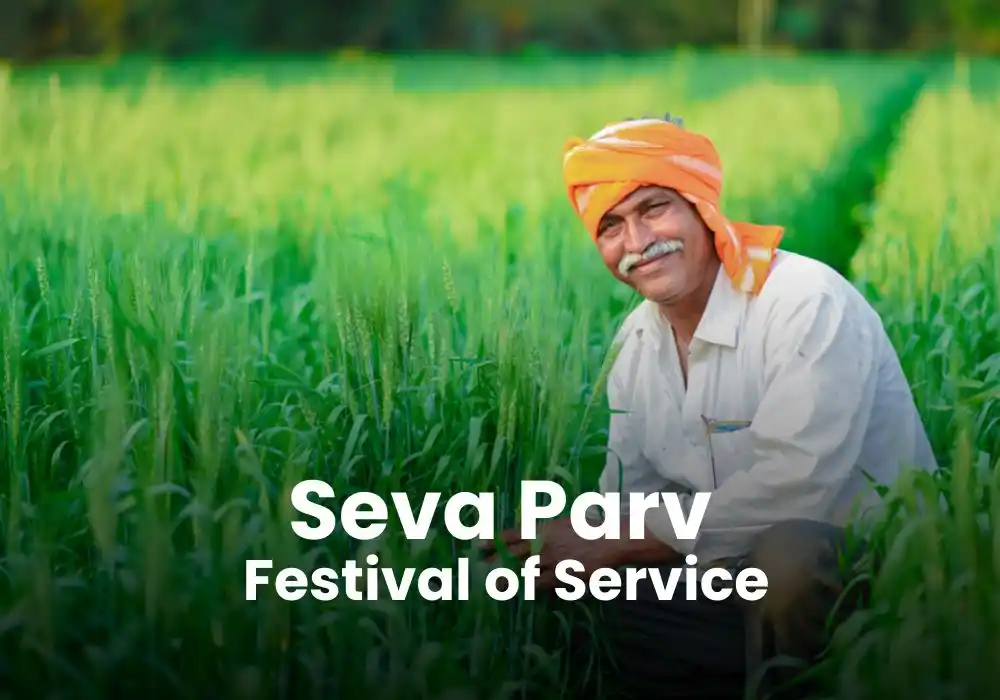
At its core, Seva Parv translates to a “Festival of Service,” a period or a continuous commitment driven by the mantra of *Seva* (public service) and *Sushasan* (good governance). It signifies a focused approach by the government to reach out, address challenges, and deliver welfare measures directly to citizens, especially those in the agricultural sector. It embodies the principle that governance is about actively serving the people, making administration accessible, responsive, and effective. When we talk about farmer empowerment within Seva Parv, we refer to a holistic strategy designed to uplift the agrarian community through various policy interventions and outreach programs.
Why is Farmer Empowerment a National Priority?
The reason for prioritizing farmer empowerment is multifaceted and fundamental to India’s stability and growth. A significant portion of India’s population still relies on agriculture for livelihood. Despite its vast potential, the sector faces numerous challenges including climatic uncertainties, market fluctuations, lack of access to credit, technological gaps, and infrastructure deficits. Empowering farmers means ensuring food security for the entire nation, boosting rural incomes, stemming rural-to-urban migration, and fostering overall economic resilience. A prosperous farmer contributes directly to a stronger national economy, making farmer welfare not just a social cause, but a strategic economic imperative. It’s an area frequently highlighted in economic surveys, budget discussions, and general studies papers for competitive exams.
How Does Seva Parv Translate into Action for Farmers?
The *how* of farmer empowerment under the Seva Parv philosophy involves a comprehensive suite of initiatives and reforms. This includes implementing robust financial support systems like direct benefit transfers to farmers, enhancing access to institutional credit at subsidized rates, and providing comprehensive crop insurance schemes to mitigate risks from natural calamities. Furthermore, efforts focus on improving irrigation infrastructure, promoting sustainable farming practices, and encouraging the adoption of modern agricultural technology. Developing efficient market linkages, such as electronic national agricultural markets (e-NAM), also falls under this umbrella, ensuring farmers receive fair prices for their produce. Skill development programs tailored for the agricultural sector and initiatives to promote allied activities like animal husbandry and fisheries also play a crucial role in diversifying farmer incomes and reducing dependency on monoculture. These are the concrete steps that illustrate good governance in action, directly impacting the lives of millions across the nation.
Where and When is the Impact of Seva Parv Felt?
The impact of Seva Parv is felt nationwide, from the smallest villages to the largest agricultural hubs. It’s an ongoing process, a continuous commitment rather than a one-time event. Government machinery, from central ministries to state departments and local administrations, works in tandem to implement policies and programs under this overarching philosophy. While specific campaigns might run during certain periods, the spirit of service and good governance for farmers is a perpetual endeavor. Its effects are observable in improved agricultural yields, enhanced farmer incomes, better access to essential services, and a greater sense of security among the farming community across all states and union territories of India. For current affairs sections in exams, candidates must track the latest initiatives and their geographical spread.
Mastering Seva Parv for Your Competitive Exams
Understanding initiatives like Seva Parv is non-negotiable for anyone aspiring to a career in public service. For UPSC Civil Services, topics related to agriculture, rural development, government schemes, economic policies, and governance principles form a significant part of General Studies Paper I, II, and III. SSC and PSC exams frequently test knowledge of government programs, current affairs, and static general knowledge related to India’s economy and social welfare. NID and NIFT aspirants might find relevance in understanding rural crafts, sustainable development, and socio-economic contexts that influence design. Analyzing the objectives, implementation strategies, and outcomes of Seva Parv hones your critical thinking and analytical skills – qualities essential for both cracking exams and excelling in public administration. This framework provides not just answers, but a deeper understanding of India’s developmental narrative, preparing you comprehensively for various question formats, from multiple-choice to essay writing and interview discussions. Bookmark this page for the latest gk updates for competitive exams.
Frequently Asked Questions (FAQs)
Q1: What is the fundamental philosophy behind Seva Parv in the context of farmer empowerment?
A1: The fundamental philosophy is *Seva* (public service) and *Sushasan* (good governance), aiming to provide responsive and effective administration to uplift the agricultural sector and ensure the well-being and prosperity of farmers.
Q2: Which major government schemes are typically implemented or emphasized under the Seva Parv framework for farmers?
A2: Schemes like PM-KISAN (Pradhan Mantri Kisan Samman Nidhi) for income support, Pradhan Mantri Fasal Bima Yojana for crop insurance, e-NAM (electronic National Agriculture Market) for better market access, and various irrigation projects are typically emphasized.
Q3: How does farmer empowerment through initiatives like Seva Parv contribute to India’s overall economic stability?
A3: By boosting rural incomes, ensuring food security, increasing agricultural productivity, and reducing economic risks for a large population segment, farmer empowerment directly strengthens the rural economy, contributes to national GDP, and fosters overall economic resilience.
Q4: Why is it important for aspirants of competitive exams like UPSC and SSC to understand initiatives such as Seva Parv?
A4: Understanding Seva Parv is crucial for competitive exams as it covers vital topics in Current Affairs, General Studies (Indian Economy, Governance, Social Justice), Essay writing, and Interview preparation, demonstrating knowledge of government policies and developmental priorities.
Q5: What are some of the key challenges that Seva Parv aims to address for Indian farmers?
A5: Seva Parv aims to address challenges such as income instability, lack of access to credit and modern technology, vulnerability to climatic shocks, inefficient market linkages, and the need for diversified income sources for farmers.





