
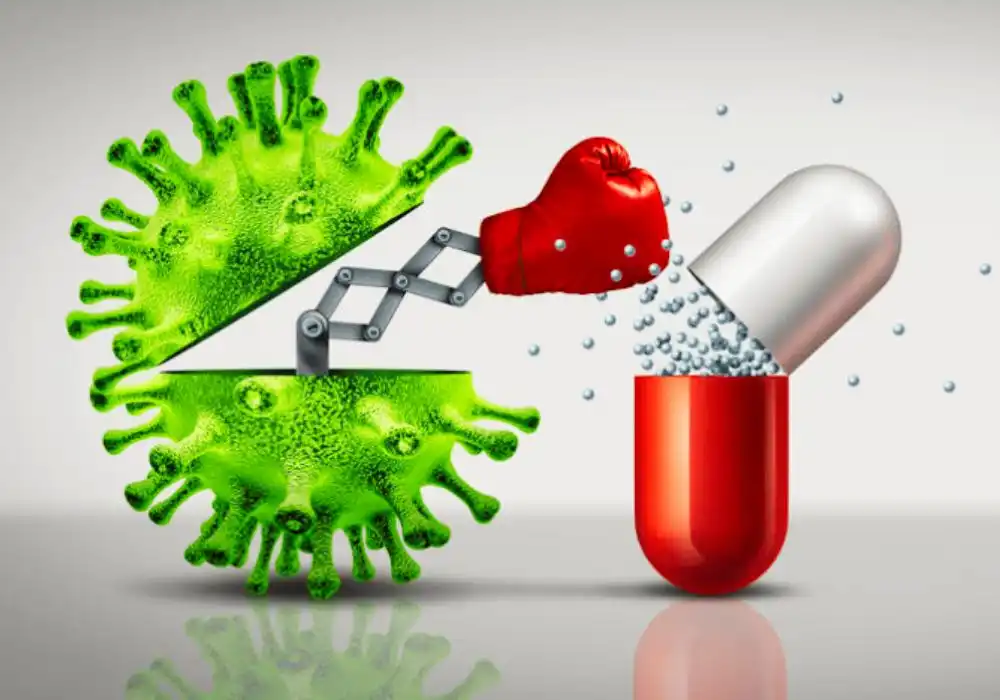
Antimicrobial Resistance (AMR) is quietly becoming one of the most profound public health challenges of our time, casting a long shadow over global health security, particularly in a densely populated nation like India. For aspirants preparing for competitive examinations such as UPSC, SSC, PSC, NID, NIFT, and other government roles, understanding this complex issue is not just an academic exercise; it’s a critical insight into current affairs, public health policy, and scientific advancements that shape our world. This detailed exploration aims to unravel the intricacies of AMR, its devastating impact, and the collective efforts required to combat this growing menace. It’s important to test your knowledge with our news pointers to identify weak areas.
What Exactly is Antimicrobial Resistance?
At its core, Antimicrobial Resistance, or AMR, is the phenomenon where microbes – including bacteria, viruses, fungi, and parasites – evolve to withstand the very medicines designed to kill them or inhibit their growth. When these tiny organisms become “resistant,” the drugs that once treated infections effectively, like antibiotics for bacterial infections, antivirals for viruses, antifungals for fungal infections, and antiparasitics for parasitic diseases, lose their potency. This means that a common infection that was once easily treatable can become dangerously persistent, difficult, or even impossible to cure. It’s a natural evolutionary process, but human actions have significantly accelerated its progression to alarming levels.
Why is AMR a Grave Threat, Especially for India?
The rise of AMR poses a multifaceted and severe threat to human health, economic stability, and the very foundation of modern medicine. In India, the situation is particularly acute due to a confluence of factors. When infections become resistant, standard treatments fail, leading to prolonged illnesses, increased hospital stays, higher medical costs, and, tragically, greater mortality rates. Surgeries, organ transplants, cancer chemotherapy, and diabetes management, all of which rely heavily on effective antibiotics to prevent infections, become far riskier.
India, with its vast population and high burden of infectious diseases, faces unique challenges. The rampant overuse and misuse of antibiotics, both in human health and agriculture, serve as primary drivers of resistance. Self-medication, incomplete courses of treatment, poor sanitation, inadequate infection control in healthcare settings, and the widespread availability of antibiotics without proper prescription contribute significantly to the problem. We are witnessing the emergence of “superbugs” – microbes resistant to multiple, even last-resort, antibiotics. The increasing prevalence of drug-resistant tuberculosis (TB) and hospital-acquired infections underscores the urgency of strict stewardship and robust public health interventions across the nation.
How Does Resistance Develop and Spread?
The development of antimicrobial resistance is primarily an evolutionary adaptation. When microbes are exposed to an antimicrobial drug, those that are naturally resistant or develop a mutation allowing them to survive will multiply, passing on their resistance genes to future generations. This process is exacerbated by the excessive and inappropriate use of these drugs, which creates a selective pressure favoring resistant strains.
Resistance genes can also spread rapidly through horizontal gene transfer, where microbes directly share genetic material with each other, even across different species. This transfer can occur in various environments: within human bodies, in hospitals, in animal farms, and even in the natural environment. Poor hygiene practices, contaminated water, and inadequate waste management facilitate the spread of these resistant microbes from one person to another, from animals to humans, and across environmental boundaries, thereby amplifying the problem.
Where is India’s Fight Against AMR Focused?
India has recognized the gravity of AMR and has initiated several strategic interventions. The Indian Council of Medical Research (ICMR) has been at the forefront, advocating for stricter regulations on antibiotic sales, such as restricting new and last-resort antibiotics to specific hospitals to ensure judicious use. The National Action Plan on Antimicrobial Resistance (NAP-AMR) 2017-2021 was launched to outline a comprehensive strategy involving surveillance, awareness, infection prevention, rational use of antimicrobials, and research.
Efforts are concentrated across multiple sectors:
* Healthcare: Implementing robust infection prevention and control programs in hospitals, promoting antibiotic stewardship among medical professionals, and improving diagnostic capabilities.
* Agriculture: Reducing the use of antibiotics in livestock and aquaculture for growth promotion, and ensuring responsible use for therapeutic purposes.
* Environment: Addressing the issue of antibiotic residues in water bodies and the environment, which contribute to the development of resistance.
* Public Awareness: Educating the general public about the dangers of antibiotic misuse, the importance of completing prescribed courses, and the role of hygiene.
Strategic Approaches: How Can We Counter AMR?
Tackling AMR requires a coordinated, multi-sectoral approach often termed the “One Health” approach, which recognizes the interconnectedness of human, animal, and environmental health.
1. Improve Hygiene and Sanitation: Simple yet effective measures like handwashing, safe food practices, and access to clean water and sanitation are fundamental in preventing infections, thereby reducing the need for antibiotics.
2. Rational Use of Antimicrobials: Prescribers must follow guidelines for appropriate antimicrobial use, while patients must complete their full course of treatment and never share or save antibiotics. Restricting over-the-counter access to antibiotics is crucial.
3. Investment in Research and Development: There is an urgent need for new antibiotics, vaccines, and diagnostic tools to combat resistant infections and identify them quickly.
4. Enhanced Surveillance: Continuous monitoring of resistance patterns in humans, animals, and the environment is essential to track the problem’s evolution and inform policy decisions.
5. Public and Professional Awareness: Educating healthcare workers, policymakers, and the public about the causes, consequences, and solutions for AMR is vital to foster behavioral change.
By understanding the “why, what, where, when, and how” of AMR, and by participating in these collective efforts, we can contribute to safeguarding the effectiveness of life-saving medicines for future generations, a topic of immense relevance for any informed citizen and aspiring public servant.
Frequently Asked Questions (FAQs)
1. What is the primary cause of Antimicrobial Resistance?
The primary cause of Antimicrobial Resistance is the overuse and misuse of antimicrobial drugs, such as antibiotics. When these medicines are used unnecessarily or incorrectly (e.g., stopping a course early), microbes are exposed to sub-lethal doses, allowing the stronger, resistant ones to survive, multiply, and spread their resistance traits.
2. How does AMR affect common medical procedures?
AMR significantly impacts common medical procedures by making them much riskier. Treatments like surgery, organ transplantation, cancer chemotherapy, and even basic wound care depend heavily on effective antibiotics to prevent and treat post-procedure infections. If these antibiotics become ineffective due to resistance, such procedures can become life-threatening, with higher risks of severe complications, prolonged hospital stays, and increased mortality.
3. Are there specific bacteria or diseases that are particularly resistant in India?
Yes, India faces a significant challenge with resistance in several key pathogens and diseases. Multi-drug resistant tuberculosis (MDR-TB) and extensively drug-resistant tuberculosis (XDR-TB) are major concerns. Additionally, common bacteria like *Klebsiella pneumoniae*, *Escherichia coli*, and *Staphylococcus aureus* (including MRSA) frequently show high levels of resistance, especially to common antibiotics, leading to difficult-to-treat urinary tract infections, bloodstream infections, and hospital-acquired infections.
4. What is the ‘One Health’ concept in relation to AMR?
The ‘One Health’ concept is an integrated approach that recognizes human health, animal health, and environmental health are intrinsically linked. In the context of AMR, it means that efforts to combat resistance must span across all these sectors. For instance, reducing antibiotic use in livestock and improving sanitation in the environment are as crucial as prudent use in human medicine, because resistance can originate and spread among humans, animals, and the environment.
5. What can an individual do to help combat AMR?
Individuals play a crucial role in combating AMR. Key actions include:
* Always consult a doctor before taking antibiotics and never self-medicate.
* Complete the full course of antibiotics exactly as prescribed, even if you feel better.
* Never share or use leftover antibiotics.
* Practice good hygiene, such as frequent handwashing, to prevent infections and reduce the need for antibiotics.
* Ensure vaccinations are up to date to prevent diseases that might otherwise require antibiotic treatment.





