
Decoding Railways Minister’s War Room Visit
For aspirants aiming for top government positions through exams like UPSC, SSC, PSC, NID, NIFT, and other competitive tests, staying updated on national developments is paramount. Recently, a seemingly routine piece of news about Railways Minister Ashwini Vaishnaw’s visit to the Railway Board’s War Room in New Delhi holds significant weight, not just as a current event, but as a crucial window into public administration, logistics, and governance relevant to your exam preparation. Understanding the ‘why,’ ‘what,’ ‘where,’ ‘when,’ and ‘how’ of such events is key to mastering your current affairs and general knowledge sections.
The Railways Minister’s Visit: A Current Affairs Essential
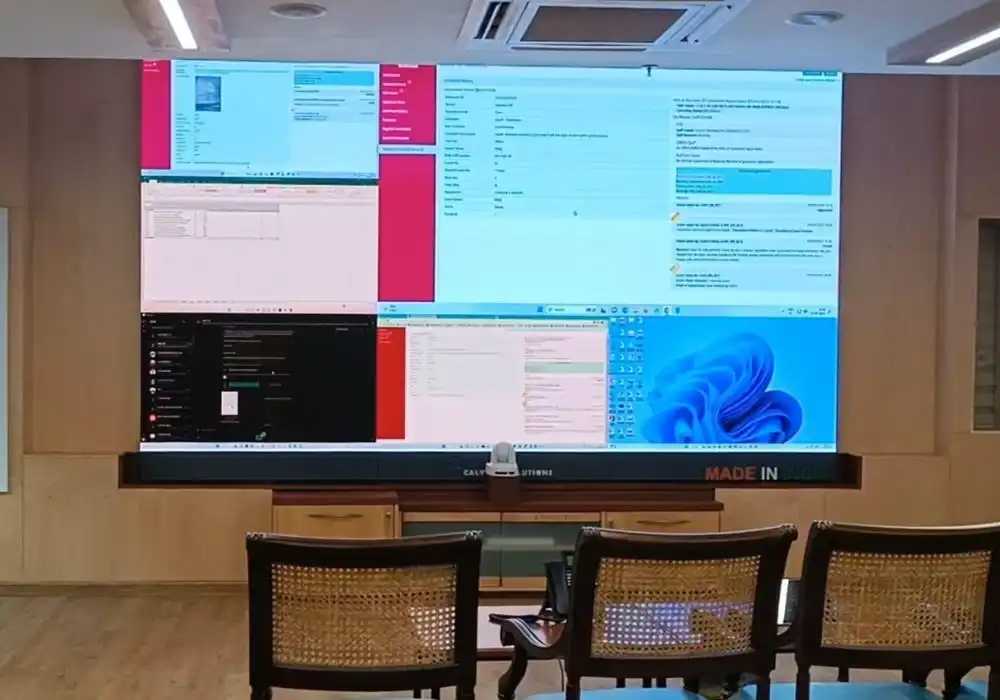
On a key occasion, Railways Minister Ashwini Vaishnaw undertook a crucial visit to the dedicated ‘War Room’ situated within the esteemed Railway Board premises in New Delhi. The primary objective of this visit was to comprehensively assess and monitor the vast movement of passengers, especially during the demanding festive season. Such periods typically witness an exponential surge in travel, placing immense pressure on the national rail network. During his interaction, Mr. Vaishnaw not only meticulously reviewed the operational dynamics but also extended heartfelt encouragement and Diwali wishes to the dedicated staff who work tirelessly around the clock to ensure seamless operations. This event serves as a prime example of proactive governance and operational oversight, fundamental aspects often tested in competitive examinations. By noting down the minister’s name, his portfolio, and the location, you are building essential factual knowledge for your current affairs and general awareness sections.
Decoding the ‘War Room’: Significance for Governance and Logistics
What exactly is a ‘Railway War Room’ and why is a ministerial visit to such a facility noteworthy? In the context of Indian Railways, a ‘War Room’ is an advanced, centralized operational hub equipped with real-time data monitoring systems. It acts as the nerve center for managing complex logistical challenges, coordinating across various departments, and responding swiftly to any operational discrepancies or emergencies. For students preparing for exams, understanding this concept is crucial for several reasons: it highlights the intricate planning required for national infrastructure, demonstrates the application of technology in public service, and underscores the importance of efficient command and control structures in large organizations like Indian Railways. This proactive approach to managing public services, especially during peak demand like festive seasons, is a direct reflection of effective public administration, a core subject for UPSC and PSC exams. It showcases leadership in action – understanding ground realities, motivating personnel, and ensuring public welfare, all vital components of ethical governance.
Strategic Insights for Your Exam Preparation
How can you leverage such news for your examination success? Firstly, this incident is a clear ‘Current Affairs’ marker. Note down the minister’s name, his portfolio, and the location of the Railway Board. For your daily news quiz, this becomes a ready question. Secondly, for ‘Static General Knowledge,’ delve deeper into the structure of Indian Railways, its role in the economy, and the functions of the Railway Board. Where is its headquarters? What are its various zones? Thirdly, from a ‘Public Administration’ perspective, analyze the visit as a practical case study in operational management, crisis prevention (or peak-load management), and leadership. The minister’s act of encouraging staff morale is also an important aspect of human resource management in public service. Incorporating such details into your daily news quiz routine and connecting them with broader themes will significantly enhance your understanding and retention, preparing you for both objective and descriptive questions in exams like SSC, UPSC, and other government recruitment tests. Utilize these insights to build a holistic understanding, rather than just memorizing facts, for a stronger competitive edge.
Frequently Asked Questions (FAQs)
1. Q: Who is the current Railways Minister of India, and what are his other portfolios?
A: The current Railways Minister of India is Shri Ashwini Vaishnaw. In addition to Railways, he also holds significant portfolios for Communications and Electronics & Information Technology, demonstrating a broad administrative role in critical sectors.
2. Q: What is the primary function of the Railway Board in New Delhi?
A: The Railway Board serves as the apex body of Indian Railways, responsible for the overall administration, management, and policy-making for the entire national railway system in India. It functions directly under the Ministry of Railways, ensuring strategic direction and operational efficiency.
3. Q: Why are events like a minister’s visit to a ‘War Room’ important for government exam aspirants?
A: Such events are crucial for current affairs updates, offering real-world applications of concepts in public administration, governance, and logistics. They provide practical context for static general knowledge topics and offer vital insights into the functioning of various government departments and ministerial roles, which are frequently tested in exams like UPSC, SSC, and PSC.
4. Q: What specific aspects does a ‘Railway War Room’ typically monitor during high-demand periods like festive seasons?
A: A ‘Railway War Room’ comprehensively monitors various critical parameters, including real-time train movements, passenger load across different routes, track conditions, efficient staff deployment, punctuality of services, identification of potential bottlenecks, and any emerging operational issues to ensure smooth, safe, and efficient public transportation during peak demand periods.
5. Q: How should students integrate such news into their daily study routine for exams like UPSC or SSC?
A: Students should read such news critically, identifying key personnel, important locations, relevant government bodies, and the underlying administrative or policy implications. It’s beneficial to connect this information to broader syllabus topics like governance, economics, or national infrastructure, make concise notes, and regularly test themselves with daily news quizzes to reinforce learning and ensure comprehensive, well-rounded preparation for competitive examinations.





