
The landscape of UPSC General Studies Paper 3 is dynamically shaped by critical advancements in technology and strategic shifts in national security. To truly excel, aspirants must delve beyond surface-level understanding, grasping the profound implications of topics like the ubiquitous microprocessor and the transformative concept of theatre commands. This exploration on myentrance.in offers an expert perspective, equipping you with the analytical depth required for mains examination success.
Unraveling the Digital Brain: The Microprocessor’s Indispensable Role
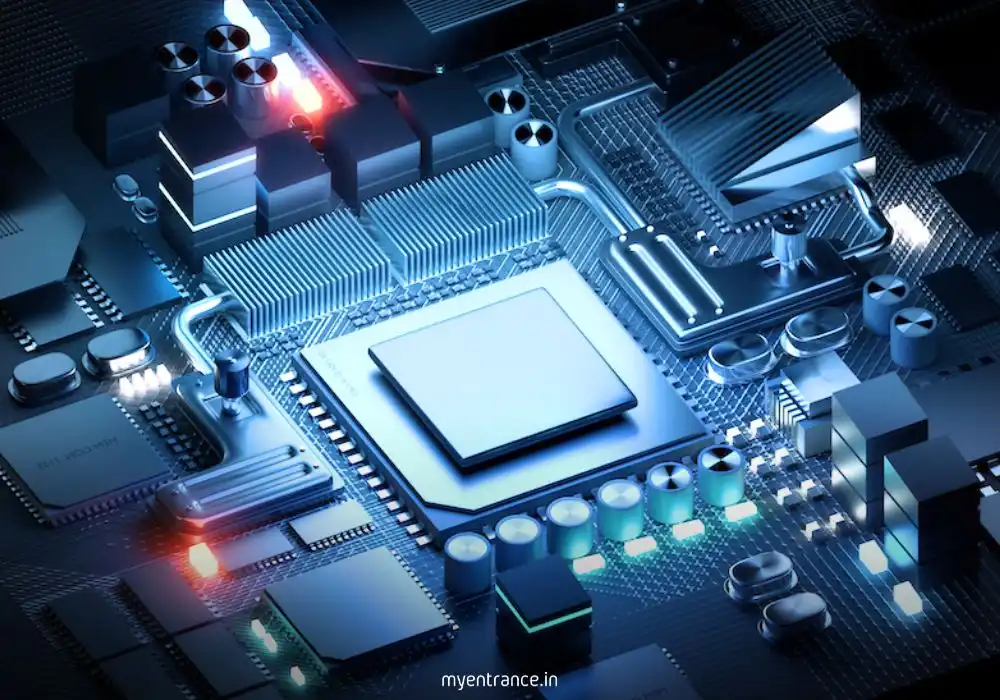
The microprocessor stands as the silent architect of our modern digital world, a compact silicon chip that has undergone a phenomenal evolution from its humble beginnings to becoming the core engine of virtually every electronic device. Its influence pervades every aspect of life – from enabling instantaneous global communication and powering intelligent systems to driving advancements in healthcare, financial services, and sustainable economic growth. For UPSC aspirants, understanding the microprocessor transcends mere technical knowledge; it demands an appreciation of its profound implications across various dimensions of General Studies Paper 3. This includes its pivotal role in Science and Technology advancements, its impact on the Indian Economy (particularly the digital economy, start-up ecosystem, and manufacturing sector), and even its critical linkage to Internal Security through cyber warfare, surveillance technology, and data analytics. Analyzing its role in shaping policy, fostering innovation, and addressing national challenges is paramount for crafting a comprehensive and insightful mains answer. Grasping the concept of technological sovereignty, the challenges of semiconductor manufacturing, and the ethical considerations surrounding AI and automation, all rooted in microprocessor capabilities, are essential for a nuanced understanding. Engage with our interactive current affairs quiz to make learning fun and effective.
Forging a United Front: India’s Strategic Theatre Commands Initiative
In a dynamic and increasingly complex global security environment, the concept of Theatre Commands represents a monumental shift in military strategy aimed at enhancing operational efficiency and synergy. India’s push towards creating integrated theatre commands stems from a critical need to overcome the traditional compartmentalization of its armed forces – Army, Navy, and Air Force. This structural reform aims to move away from individual service commands to unified warfighting formations, optimizing resource allocation, streamlining decision-making, and presenting a cohesive front against diverse and multi-domain threats, whether conventional, unconventional, or hybrid. From the perspective of GS Paper 3, particularly the Internal Security and Defence components, examining theatre commands involves understanding the strategic rationale behind such a colossal reorganization, the significant challenges inherent in its implementation (including inter-service coordination, logistical complexities, and resource allocation across services), and the potential impact on India’s defence preparedness, geopolitical standing, and its ability to deter aggression. Aspirants must delve into the advantages of fostering ‘jointness’, draw parallels with global examples of similar structures, and critically analyze the unique challenges India faces in adapting this model to its specific security imperatives and strategic objectives.
Why These Topics Matter for Your Exam
Both the rapid advancements in microprocessor technology and the strategic overhaul through theatre commands are not merely current affairs; they are fundamental drivers shaping India’s socio-economic trajectory and national security posture. A thorough understanding of these complex subjects equips you with the analytical depth required to tackle multifaceted questions in GS3, demonstrating your grasp of contemporary issues, their underlying principles, and their future implications. These topics often form the crux of analytical questions, demanding a multi-dimensional perspective that links technological prowess with strategic foresight, national policy, and international relations. Developing a critical perspective on these areas is indicative of a well-rounded and prepared aspirant, capable of articulating coherent arguments and offering insightful solutions. Learn effective last-day revision strategies to maximize your remaining study hours.
Sample Questions & Answers for Mains Practice
To solidify your understanding and refine your answer-writing skills, consider these mains-style questions:
1. Question: Discuss the transformative impact of microprocessors on India’s digital economy and national security, outlining potential challenges in maintaining technological sovereignty.
Answer: Microprocessors are the bedrock of India’s burgeoning digital economy, powering everything from e-commerce platforms and financial transactions to the burgeoning startup ecosystem. They enable digital governance initiatives, drive automation across industries, and facilitate the widespread adoption of IoT and AI. In national security, microprocessors are integral to surveillance systems, secure communication, advanced weaponry, and cyber defence, providing critical intelligence and defensive capabilities. However, India faces significant challenges in achieving technological sovereignty due to a substantial reliance on imported chips and foreign intellectual property. This dependence necessitates a robust push for indigenous design and manufacturing capabilities, fostering skill development, and building resilient supply chains to mitigate global dependencies and protect against cyber vulnerabilities and supply chain disruptions.
2. Question: Critically evaluate the ‘Theatre Commands’ initiative in India, discussing its potential benefits for operational synergy and the inherent challenges in its implementation.
Answer: India’s ‘Theatre Commands’ initiative aims to create unified military commands for specific geographic or functional areas, integrating the Army, Navy, and Air Force under a single operational head. Potential benefits include enhanced operational synergy, optimized resource allocation, quicker decision-making during conflicts, and a more coherent response to multi-domain threats. It fosters a truly ‘joint’ culture, eliminating service-specific redundancies and maximizing combat potential. However, implementation faces significant challenges such as overcoming deep-seated inter-service rivalries and doctrinal differences, ensuring equitable resource distribution, standardizing command and control systems, and managing the complexities of merging diverse service cultures and assets. Successful execution demands strong political will, meticulous planning, and a clear vision for integrated warfare.
3. Question: How has the evolution of microprocessor technology influenced India’s policy framework for data governance and digital inclusion? Illustrate with examples.
Answer: The rapid advancements in microprocessor technology have profoundly impacted India’s policy framework for data governance and digital inclusion. As microprocessors made computing devices cheaper and more powerful, leading to widespread internet and smartphone penetration, the government recognized the imperative for robust data protection laws. This led to the drafting of the Digital Personal Data Protection Bill, aiming to safeguard individual privacy in the digital age. Simultaneously, policies for digital inclusion, such as the National Digital Literacy Mission and efforts to expand broadband connectivity, were accelerated, leveraging the affordability of microprocessor-driven devices to bridge the digital divide. Initiatives like Aadhaar, UPI, and various e-governance services are prime examples where microprocessor ubiquity has enabled mass-scale digital access and data collection, necessitating a clear policy stance on usage, security, and consent.
4. Question: Analyze the strategic implications of India’s move towards theatre commands in the context of its evolving geopolitical landscape, particularly concerning its immediate neighbourhood.
Answer: India’s transition to theatre commands holds significant strategic implications for its evolving geopolitical landscape, especially in its immediate neighbourhood. By fostering greater integration and agility, these commands aim to present a more credible and unified deterrent against regional adversaries. A unified command structure can project power more effectively, respond rapidly to border incursions or maritime threats, and enhance India’s strategic leverage in the Indo-Pacific region. For instance, an integrated maritime theatre command could bolster India’s presence and influence in the Indian Ocean. However, this shift might also be perceived by neighbours as an escalation, potentially triggering counter-measures. India’s ability to effectively operationalize these commands will redefine its defence posture and its role as a regional security provider, influencing dynamics with countries like China and Pakistan through enhanced military readiness and coordinated response capabilities.
5. Question: The advancements in microprocessor technology offer unprecedented opportunities for national security but also pose new threats. Elaborate on this duality, particularly in the context of internal security challenges in India.
Answer: Advancements in microprocessor technology present a dual-edged sword for India’s national security. On one hand, they empower sophisticated surveillance systems, real-time intelligence gathering, secure communication networks, and advanced cyber defence mechanisms, which are crucial for combating terrorism, Naxalism, and organized crime. Smart borders, biometric identification, and drone technology, all microprocessor-driven, significantly enhance internal security capabilities. On the other hand, the very ubiquity and power of microprocessors also create new vulnerabilities. The reliance on complex digital infrastructure makes critical national assets susceptible to cyber-attacks, data breaches, and espionage. The potential misuse of surveillance technology for privacy invasion, the propagation of misinformation through sophisticated digital platforms, and the challenges of securing a vast digital footprint represent significant threats. India must navigate this duality by investing in robust cyber resilience, fostering indigenous technological development, and establishing strong regulatory frameworks to harness the opportunities while mitigating the inherent risks for internal security.





