
Have you ever wondered about the secrets our planet holds, waiting to be discovered? Each new discovery not only expands our understanding of the natural world but also offers vital insights for those aiming to excel in competitive examinations like UPSC, SSC, PSC, and other government recruitment tests. At myentrance.in, we bring you the latest, most relevant information, meticulously curated to aid your preparation. Let’s delve into a fascinating recent find that exemplifies the kind of interdisciplinary knowledge crucial for your success.
A Glimpse into Karnataka’s Rich Biodiversity: The Discovery
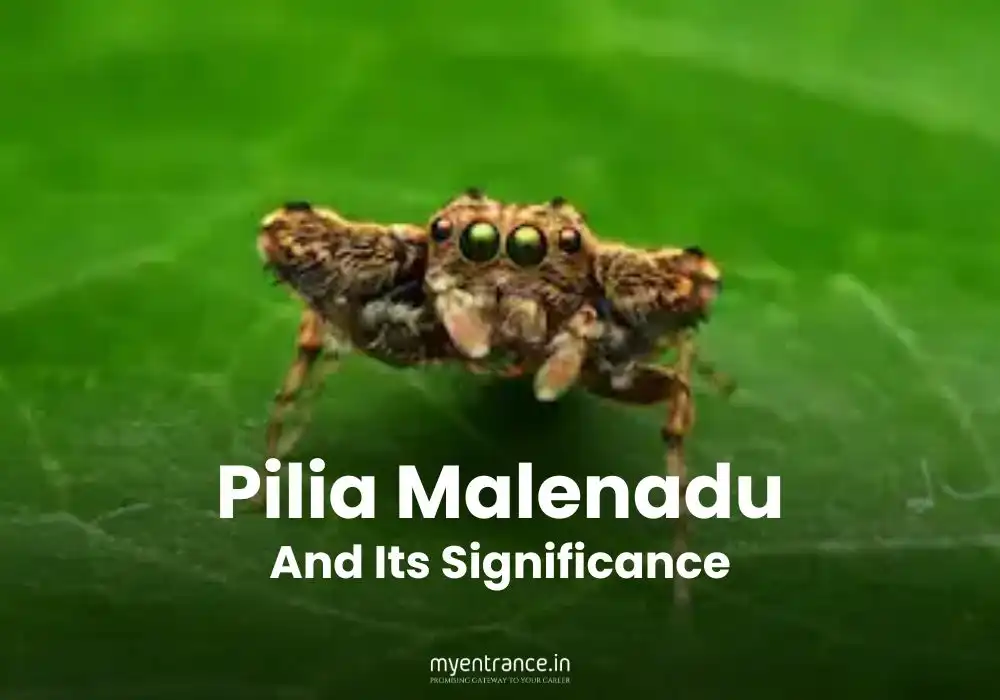
Recently, the vibrant state of Karnataka has once again proven to be a treasure trove of biodiversity with the announcement of a brand-new species. Expert researchers, dedicated to exploring our planet’s intricate ecosystems, have successfully identified and documented an entirely new species of jumping spider. This remarkable creature has been named Pilia malenadu, a tribute to the “Malenadu” or “rainforest region” of Karnataka, where it was found. This discovery specifically took place in the serene surroundings of Madhugundi village, nestled within the Mudigere taluk of Chikkamagaluru district. The Chikkamagaluru region, known for its lush Western Ghats landscape, coffee plantations, and rich flora and fauna, continues to be a hotspot for scientific exploration and new finds. The identification of Pilia malenadu adds another unique thread to the intricate tapestry of life in this ecologically sensitive zone.
Why Does a New Spider Species Matter for Your Exam Preparation?
At first glance, a new spider species might seem like a niche scientific update, but for an aspirant preparing for prestigious exams, it holds significant weight. This discovery isn’t just a biological footnote; it’s a testament to ongoing scientific research, an indicator of ecological health, and a potential question source across various subjects.
Current Affairs & General Knowledge: This is a direct current affairs event. Questions frequently appear asking about recent scientific discoveries, new species identified, and their geographical locations. Knowing “Pilia malenadu” and its discovery location in Chikkamagaluru, Karnataka, becomes a direct knowledge point. For daily news quizzes on myentrance.in, this is prime material.
Environmental Science & Biodiversity: The discovery of a new species highlights the incredible biodiversity of the Western Ghats, a UNESCO World Heritage Site and one of the world’s eight “hottest hotspots” of biological diversity. Understanding such discoveries underscores the importance of biodiversity conservation, ecological balance, and the threats posed by habitat loss. Questions in UPSC and PSC exams often delve into biodiversity hotpots, endemic species, and conservation efforts.
Geography: The mention of Chikkamagaluru district and Mudigere taluk in Karnataka connects directly to Indian geography. Aspirants should be aware of key geographical locations, their ecological significance, and why certain regions are prone to such unique discoveries. This reinforces your knowledge of regional geography and environmental geography.
Taxonomy and Classification: While not always direct questions, understanding the process of identifying a new species and its classification within a genus (Pilia, in this case) provides foundational knowledge in biological sciences. It helps in comprehending how scientists categorize life forms, which can be indirectly tested in general science sections.
Key Takeaways for Aspirants from myentrance.in
To truly master this information for your upcoming exams, remember to integrate it into your existing knowledge base. When you encounter news about a new species:
* Identify the “What”: What is the new species called? What type of organism is it? (e.g., Pilia malenadu, a jumping spider).
* Pinpoint the “Where”: Where exactly was it discovered? (e.g., Madhugundi village, Mudigere taluk, Chikkamagaluru district, Karnataka). This helps reinforce your geographical mapping.
* Understand the “Why”: Why is this discovery significant? (e.g., adds to biodiversity, highlights ecological richness of Western Ghats, potential indicator species).
* Connect to Broader Themes: How does it relate to biodiversity conservation, environmental policies, or geographical features of India?
By adopting this comprehensive approach, not only do you memorize facts, but you also build a deeper understanding, crucial for tackling analytical and multi-faceted questions often seen in higher-level competitive examinations. Myentrance.in is committed to providing you with such enriching content to ensure you are always a step ahead in your preparation journey.
Frequently Asked Questions (FAQs)
Q1: What is the name of the newly discovered spider species discussed?
A1: The newly discovered spider species is named Pilia malenadu.
Q2: Where exactly was Pilia malenadu found in India?
A2: It was discovered in Madhugundi village, which is located in Mudigere taluk of the Chikkamagaluru district in Karnataka.
Q3: What kind of spider is Pilia malenadu?
A3: Pilia malenadu is identified as a new species belonging to the ‘Pilia’ genus of jumping spiders.
Q4: Why is the discovery of new species like Pilia malenadu important for environmental studies and competitive exams?
A4: Such discoveries are vital as they highlight the rich biodiversity of a region, like the Western Ghats, underscore the need for conservation, and serve as direct current affairs material and potential questions for topics spanning environmental science, geography, and general knowledge in competitive exams.
Q5: How can aspirants effectively study this information for exams like UPSC or SSC?
A5: Aspirants should focus on the name of the species, its type, the exact geographical location of discovery, and its broader significance regarding biodiversity, environmental conservation, and the ecological importance of regions like the Western Ghats. Integrating it with current affairs and static general knowledge will be beneficial.





