
India stands at a critical juncture, grappling with intensifying heatwaves that pose a multi-faceted threat to its people, economy, and environment. These extreme temperature events are not merely discomforting; they are intricately linked to a dangerous phenomenon known as the “heat-power trap,” which exacerbates vulnerabilities across various sectors. Understanding the underlying causes, profound impacts, and strategic interventions needed to navigate this challenge is paramount for students preparing for competitive examinations, as it touches upon crucial aspects of geography, environment, public policy, economics, and disaster management. This comprehensive guide will explore the dynamics of heatwaves in India, unravel the complexities of the heat-power trap, and outline essential strategies for building a more heat-resilient future.
What are Heatwaves and India’s Heat-Power Trap?
A heatwave is defined as a period of abnormally high temperatures, more intense than the typical maximum temperatures during the summer season in a specific region. In India, the India Meteorological Department (IMD) declares a heatwave when the maximum temperature of a station reaches at least 40°C in the plains, 37°C in coastal areas, and 30°C in hilly regions, and the departure from normal is 4.5°C to 6.4°C or more. A severe heatwave is declared when the departure is over 6.4°C. These events are becoming more frequent, prolonged, and intense across the subcontinent, signaling a significant shift in climatic patterns.
The “heat-power trap” describes a vicious cycle where rising ambient temperatures drive a surge in demand for electricity, primarily for cooling purposes. This increased demand strains the power grid, often leading to power outages, especially in regions already battling high temperatures. When power fails, the capacity for mechanical cooling diminishes, further exposing vulnerable populations to extreme heat, which in turn necessitates even more cooling when power is restored, thereby reinforcing the cycle. This trap has profound implications for public health, economic productivity, and the stability of critical infrastructure, creating a feedback loop that intensifies the negative effects of heatwaves.
Why are Heatwaves Intensifying in India? Unpacking the Causes
The intensification of heatwaves in India can be attributed to a confluence of natural and anthropogenic factors. At the forefront is global climate change, driven by the increasing concentration of greenhouse gases in the atmosphere due to human activities such as burning fossil fuels and deforestation. This global warming leads to a general increase in baseline temperatures, making heatwaves more likely and severe. Specific to India, changes in atmospheric circulation patterns, such as the weakening of western disturbances and anomalies in monsoon onset, can also contribute to prolonged dry and hot spells.
Furthermore, localized factors significantly amplify the heatwave phenomenon. Rapid urbanization, characterized by extensive concrete and asphalt surfaces, reduces green cover and increases heat absorption, leading to the “urban heat island” effect where cities are significantly hotter than surrounding rural areas. Industrialization also contributes through localized heat emissions and air pollution, which can trap heat. Deforestation in surrounding regions reduces natural cooling mechanisms and alters microclimates, further exacerbating the problem. The geographical position of India, particularly its plains, also makes it naturally susceptible to high temperatures during the pre-monsoon season, a vulnerability that is magnified by these other factors.
Where and When Do Heatwaves Strike? Understanding Prevalence and Seasonality
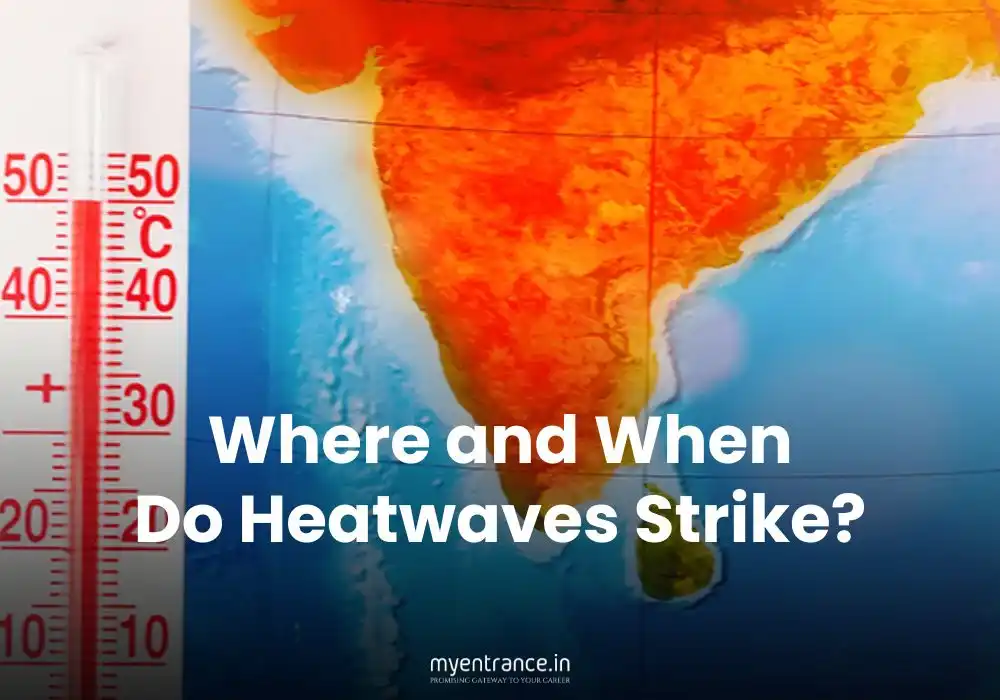
Heatwaves in India are predominantly observed during the pre-monsoon season, typically from March to June, with peak intensity often felt in May and early June before the onset of the monsoon rains brings relief. However, in recent years, their duration has extended, and their occurrence has been observed even in post-monsoon months or earlier in the spring. Geographically, the most vulnerable regions include the vast plains of Northwest and Central India, encompassing states like Rajasthan, Uttar Pradesh, Punjab, Haryana, Madhya Pradesh, Maharashtra, Odisha, and parts of Andhra Pradesh and Telangana. These areas experience extreme continental climates, often coupled with poor air circulation during the peak summer months, making them particularly susceptible. Coastal regions, while generally moderated by sea breezes, can also experience heatwaves, especially when atmospheric conditions prevent the sea breeze from penetrating inland effectively. The impact, however, can vary based on local topography and urban density.
How Do Heatwaves Impact India? A Sectoral Overview of Risks
The ramifications of intensifying heatwaves in India are extensive, affecting virtually every sector and posing significant risks to human well-being and national development.
Health Risks: Direct health impacts include heatstroke, heat exhaustion, dehydration, and increased mortality, especially among the elderly, children, and outdoor workers. Indirectly, heat stress can exacerbate pre-existing conditions like cardiovascular and respiratory diseases. Furthermore, altered temperature patterns can influence the geographical spread and intensity of vector-borne diseases.
Energy and Power Sector Impacts: As the cornerstone of the “heat-power trap,” the energy sector faces immense strain. Elevated temperatures lead to a dramatic surge in electricity demand for cooling, particularly from residential and commercial sectors. This increased load often exceeds generation capacity, resulting in power outages, brownouts, and grid instability. Simultaneously, the efficiency of thermal power plants can decrease at higher ambient temperatures, and hydropower generation may be affected by reduced water levels due to evaporation or lower rainfall, creating a dual challenge for electricity supply.
Agricultural Sector Impacts: Heatwaves severely stress agricultural systems. High temperatures can damage crops at critical growth stages, leading to reduced yields and even crop failure. Livestock can also suffer from heat stress, impacting milk production and overall health. Furthermore, increased evaporation rates exacerbate water scarcity, putting additional pressure on irrigation systems and groundwater resources, thus threatening food security and farmers’ livelihoods.
Economic and Productivity Impacts: Beyond agriculture, heatwaves impact the broader economy by reducing labor productivity, particularly for those working outdoors in construction, manufacturing, and other manual labor sectors. Businesses face disruptions due to power outages and supply chain issues. Reduced tourist activity during extreme heat events also affects local economies. The cumulative economic losses from healthcare costs, agricultural damage, and lost productivity can be substantial.
Urban Infrastructure and Environment: Prolonged heat can degrade urban infrastructure, including roads and railway tracks, leading to maintenance issues and travel disruptions. The urban heat island effect intensifies within cities, disproportionately affecting vulnerable populations living in informal settlements with inadequate housing and limited access to cooling. Natural ecosystems also suffer, with impacts on biodiversity, forest fires, and water bodies.
What Strategies Are Needed to Break the Heat-Power Trap? Mitigation and Adaptation
Breaking the heat-power trap and building heat resilience in India requires a multi-pronged, integrated approach encompassing policy, energy, agricultural, and urban interventions.
Policy and Governance Interventions: Central to effective response are robust National and State Heat Action Plans (HAPs), which provide early warning systems, outline coordinated responses, and establish cooling shelters. These plans need to be dynamic, localized, and effectively communicated to the public. Strengthening disaster management agencies with resources and training to address heat-related emergencies is also crucial. Policy frameworks that incentivize sustainable urban development and energy efficiency measures are also vital.
Energy Sector Transformations: To address the power demand surge, there is an urgent need to accelerate the transition to renewable energy sources like solar and wind power, which are less susceptible to heat-related efficiency losses compared to thermal plants. Modernizing the grid infrastructure to enhance reliability and integrating smart grid technologies can help manage fluctuating demand more efficiently. Promoting energy efficiency through appliance standards, building codes, and public awareness campaigns to reduce unnecessary energy consumption for cooling is equally important. Decentralized cooling solutions and community-level micro-grids can also offer resilient alternatives.
Agricultural Adaptation Strategies: Farmers need access to heat-resilient crop varieties that can withstand higher temperatures and require less water. Promoting water-efficient irrigation techniques, such as drip irrigation, and micro-sprinklers, is essential. Agro-advisory services providing timely weather forecasts and guidance on crop management during heat events can empower farmers to make informed decisions. Shifting cropping patterns to less heat-intensive crops or adjusting planting and harvesting schedules can also mitigate risks.
Urban Planning and Infrastructure Development: Mitigating the urban heat island effect is critical. This involves increasing green infrastructure, such as parks, tree-lined streets, and green roofs, which provide natural cooling. Implementing “cool roof” technologies, which reflect more sunlight and absorb less heat, can significantly reduce indoor temperatures. Re-evaluating urban building codes to promote heat-resilient designs, improving access to public water sources, and developing urban cooling zones in public spaces are vital steps.
Public Awareness and Health Infrastructure: Educating the public about the risks of heatwaves, symptoms of heat-related illnesses, and preventive measures like hydration and avoiding outdoor activity during peak hours is paramount. Strengthening healthcare infrastructure with trained personnel and adequate supplies to treat heatstroke victims is also essential. Establishing community cooling centers and ensuring access to potable water can provide immediate relief to vulnerable populations.
In conclusion, India’s intensifying heatwaves and the concomitant heat-power trap represent a formidable challenge that demands immediate and sustained action. By comprehensively understanding its causes, anticipating its wide-ranging impacts, and implementing strategic, multi-sectoral interventions across policy, energy, agriculture, and urban planning, India can build greater resilience, safeguard its population, and chart a path towards a sustainable and cooler future. This complex issue highlights the interconnectedness of climate, infrastructure, and human well-being, underscoring its relevance for aspiring competitive exam candidates.
Frequently Asked Questions (FAQs)
1. What is the “heat-power trap” and how does it relate to heatwaves in India?
The “heat-power trap” describes a vicious cycle where rising temperatures during heatwaves significantly increase electricity demand for cooling, which then strains the power grid, leading to outages. These power cuts reduce access to mechanical cooling, further exposing people to extreme heat, which subsequently increases the demand for power again when it’s restored, thus perpetuating a dangerous feedback loop.
2. What are the primary causes of intensifying heatwaves in India?
The intensification of heatwaves in India is primarily driven by global climate change due to greenhouse gas emissions, leading to a general increase in baseline temperatures. Local factors like rapid urbanization, creating urban heat islands, and deforestation also significantly contribute by reducing natural cooling mechanisms and altering microclimates.
3. Which sectors in India are most severely impacted by heatwaves?
Heatwaves severely impact multiple sectors including public health, leading to heat-related illnesses and mortality; the energy sector, through increased demand and grid strain; agriculture, causing crop damage and water scarcity; and the economy, through reduced labor productivity and infrastructure disruptions.
4. What are some effective strategies to mitigate the impact of heatwaves in urban areas?
Effective urban strategies include implementing “cool roof” technologies and heat-resilient building designs, increasing green infrastructure like parks and tree cover to combat the urban heat island effect, developing public cooling centers, and ensuring access to safe drinking water for all residents.
5. How can India break the heat-power trap to enhance its heat resilience?
Breaking the heat-power trap requires a multi-faceted approach, including accelerating the transition to renewable energy sources, modernizing grid infrastructure to handle demand fluctuations, promoting energy efficiency measures, developing robust heat action plans with early warning systems, and fostering public awareness about heat risks and protective measures.





