
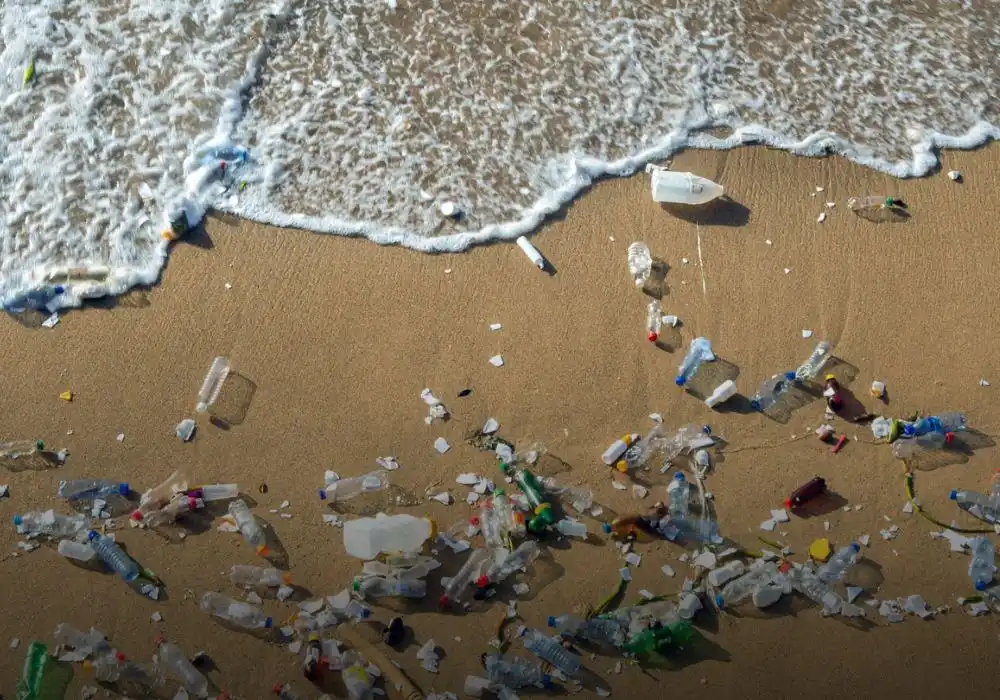
The pristine beaches and vibrant marine life of Goa define its charm, attracting tourists and sustaining local livelihoods through its rich fisheries. However, beneath this picturesque surface lies a growing and insidious danger: microplastic pollution. This silent invader poses a critical threat, not only to Goa’s delicate marine ecosystem but also directly to human health, making it a crucial topic for understanding environmental challenges and a significant area of focus for competitive examinations like UPSC, SSC, and PSC.
Understanding Microplastics: The Unseen Adversaries
Microplastics are minute plastic particles, typically measuring less than five millimeters in length. They originate from the breakdown of larger plastic debris, like bottles and bags, or are manufactured as microbeads found in cosmetics and industrial abrasives. These tiny fragments are ubiquitous in our environment, particularly in aquatic systems, where their small size makes them easily ingested by marine organisms, becoming a central concern for environmental studies. Their presence highlights a significant challenge in waste management and sustainable development.
Goa’s Battleground: A Focus on Coastal Vulnerability
Goa, with its extensive coastline, bustling tourism, and reliance on its fishing industry, serves as a poignant case study for microplastic contamination. Recent studies confirm the widespread presence of these particles across Goa’s marine environment, including its beaches, estuaries, and within its diverse marine species. This particular focus on Goa emphasizes how local environmental issues can have far-reaching implications, impacting regional economies and public health, a key consideration for aspirants studying current affairs and environmental science for their exams.
The Perilous Journey: Pathways into the Food Chain
Microplastics enter the marine ecosystem through various channels. Land-based sources like improper waste disposal, discharge from wastewater treatment plants (carrying fibers from synthetic clothing), and urban runoff contribute significantly. Once in the water, marine animals, from plankton to larger fish and shellfish, mistake these colorful fragments for food. This ingestion allows microplastics to enter the marine food web. The process of bioaccumulation means these particles can build up in individual organisms over time, and through biomagnification, their concentrations can increase as they move up the food chain, ultimately reaching the seafood consumed by humans. The shape, color, and type of microplastic influence how readily they are ingested and their potential impact on organisms.
Far-Reaching Consequences: Ecological, Economic, and Human Health Impacts
The presence of microplastics triggers a cascade of negative effects across multiple fronts. Ecologically, they can cause physical harm to marine life, leading to blockages in digestive tracts, reduced feeding efficiency, and reproductive issues. These particles also act as carriers for harmful chemicals, both those absorbed from the surrounding water and those inherent to the plastic itself, transferring toxins to the animals that ingest them. This disrupts delicate marine food webs and threatens biodiversity.
Economically, the impact is significant for Goa’s fisheries. Contaminated fish stocks can lead to reduced catches, impact marketability, and threaten the livelihoods of thousands of fishing families. The tourism sector, which thrives on Goa’s clean beaches, also faces a threat from visible and invisible plastic pollution.
From a human health perspective, consuming seafood contaminated with microplastics is a growing concern. While long-term effects are still under intensive study, potential risks include exposure to plastic chemicals, inflammation, oxidative stress, disruption of the gut microbiome, and potential endocrine system interference. This direct link between environmental pollution and human well-being underscores the urgency of addressing this issue.
Charting the Course Forward: Addressing Gaps and Implementing Solutions
Tackling microplastic pollution requires a multi-faceted approach. There are significant scientific gaps in understanding the full long-term ecological and human health impacts, necessitating more research and standardized monitoring methods. Regulatory gaps also exist, with a need for more comprehensive policies, stronger enforcement, and international cooperation to address transboundary pollution. Waste management infrastructure often remains inadequate, particularly in rapidly developing regions.
The way forward involves robust policy and regulatory frameworks, including bans on single-use plastics, implementation of Extended Producer Responsibility (EPR) to hold manufacturers accountable, and upgrading wastewater treatment facilities. Improvements in waste management are crucial, focusing on efficient collection, segregation, recycling, and exploring waste-to-energy solutions. Equally vital is community participation, where public awareness campaigns, citizen science initiatives, and local clean-up drives empower individuals and communities to be part of the solution. Innovation in developing biodegradable alternatives and advanced filtration technologies will also play a key role.
In conclusion, the microplastic crisis in Goa is a microcosm of a global environmental challenge. Its impact on fisheries and human health demands immediate and sustained action. Understanding this complex issue, its causes, effects, and potential solutions is not just an academic exercise but a civic responsibility, particularly for those aspiring to contribute to public service through competitive examinations.
Frequently Asked Questions (FAQs)
Q1: What exactly are microplastics and where do they come from?
A1: Microplastics are tiny plastic particles, smaller than 5 millimeters. They originate either from the fragmentation of larger plastic items like bottles and bags that break down over time, or they are intentionally manufactured as microbeads found in certain cosmetics, cleaning products, and industrial applications.
Q2: How do microplastics end up in the seafood we eat?
A2: Microplastics enter the marine environment from various land-based and sea-based sources. Marine organisms, from tiny plankton to larger fish and shellfish, ingest these particles, often mistaking them for food. As these smaller organisms are consumed by larger predators, the microplastics accumulate up the food chain through processes like bioaccumulation and biomagnification, eventually reaching the fish and seafood that humans consume.
Q3: Is eating fish from waters known to have microplastic pollution dangerous for human health?
A3: The long-term effects of microplastic ingestion on human health are still being actively researched. However, concerns exist regarding potential risks such as exposure to chemicals leached from the plastics (like plasticizers and flame retardants), absorption of environmental toxins that adhere to the plastic surfaces, and potential physical impacts like inflammation or disruption of the gut microbiome. While definitive conclusions are still emerging, it is a significant public health concern.
Q4: What practical steps can an individual take to help reduce microplastic pollution?
A4: Individuals can make a significant difference by reducing their reliance on single-use plastics, choosing products without microbeads, supporting businesses with sustainable practices, properly disposing of waste, participating in local clean-up drives, and advocating for stronger environmental policies. Washing synthetic clothes less frequently or using laundry bags designed to capture microfibers can also help.
Q5: Why is understanding microplastic pollution important for competitive exams like UPSC, SSC, or PSC?
A5: Microplastic pollution is a critical contemporary environmental issue, making it highly relevant for the General Studies papers in UPSC and other government exams. It encompasses aspects of environment and ecology, science and technology, current affairs, disaster management, and even economic and social development, providing a comprehensive subject for evaluating a candidate’s awareness and problem-solving skills related to national and global challenges.





