
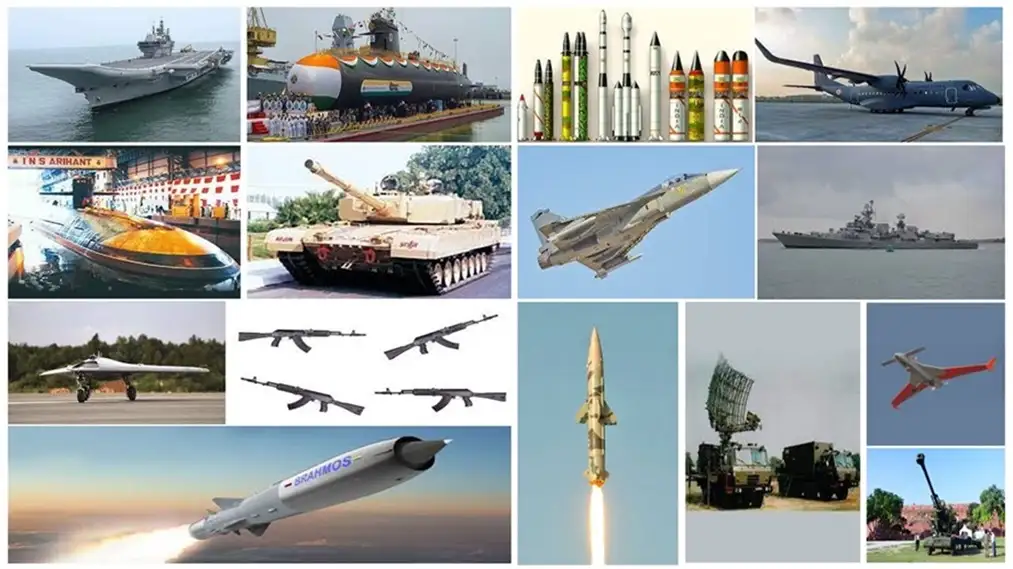
Every year, a particular tradition unfolds that offers a unique window into India’s strategic priorities and defense capabilities. When the Prime Minister of the nation chooses to celebrate one of the most significant festivals, Diwali, with the brave men and women of our armed forces, it’s more than just a gesture of solidarity. It’s a powerful statement about national resolve, military readiness, and the profound importance of our defense personnel. For aspirants preparing for challenging examinations like UPSC, SSC, PSC, NID, NIFT, and other government recruitment tests, understanding the nuances of such events provides invaluable insights into current affairs, static general knowledge, and national security dynamics.
The Prime Minister’s Annual Tradition: A Deep Dive into National Commitment
Why does this tradition matter? The annual celebration of Diwali with the armed forces, whether on a remote border outpost or a formidable naval vessel, serves multiple critical objectives. Firstly, it significantly boosts the morale of our soldiers, sailors, and airmen, acknowledging their sacrifices and dedication to the nation’s security. Secondly, it sends a clear message, both domestically and internationally, about India’s unwavering commitment to its defense forces and its readiness to protect its sovereignty. Thirdly, from an examination perspective, it highlights crucial aspects of civil-military relations, leadership, and national policy that frequently feature in current affairs sections and general awareness papers. It helps candidates grasp the intersection of governance and defense.
What specific insights can be drawn? These visits often involve interacting with personnel and observing critical assets. For instance, the recent celebration aboard INS Vikrant underscored India’s advancements in indigenous defense manufacturing and naval power projection. Such events are direct cues for exam questions related to India’s defense infrastructure, key military assets, and strategic locations. Understanding the ‘why’ behind these traditions helps aspirants connect seemingly isolated news items to broader national security objectives, making it easier to analyze and retain information for descriptive answers or interview discussions.
INS Vikrant: A Symbol of Self-Reliance and Maritime Power
What is INS Vikrant and why is it significant? INS Vikrant stands as a monumental achievement in India’s journey towards ‘Atmanirbhar Bharat’ (self-reliant India). As India’s first indigenously designed and built aircraft carrier, it represents a leap in our defense manufacturing capabilities and strategic independence. Commissioned into the Indian Navy, this colossal vessel is a floating airfield, capable of projecting air power far into the maritime domain. Its presence significantly enhances India’s naval power projection and its ability to safeguard vital sea lanes and national interests across the Indian Ocean Region and beyond.
How does it impact India’s defense strategy? The operationalization of INS Vikrant provides the Indian Navy with enhanced reach and operational flexibility, enabling it to respond swiftly to challenges and maintain a credible deterrence in a complex geopolitical landscape. For competitive exams, understanding INS Vikrant involves knowing its specifications, its role in maritime security, the challenges overcome during its construction, and its contribution to India’s strategic autonomy. Questions related to its name (paying homage to India’s first aircraft carrier), its base, and the types of aircraft it will carry are common in static GK and defense awareness segments.
The Unyielding Strength of Tri-Service Coordination
How crucial is unified command? Prime Minister Modi’s commendation of the extraordinary coordination among the three defense services—the Indian Army, Navy, and Air Force—is a testament to a fundamental principle of modern warfare: integrated operations. Historically, India has seen how strategic unity and seamless cooperation between land, sea, and air forces have been paramount to achieving decisive victories and compelling adversaries to yield in significant military encounters. Such synergy ensures optimal utilization of resources, enhances operational efficiency, and presents a formidable, cohesive front against any threat.
What does this mean for national security and exams? The ability of our armed forces to operate in perfect harmony, sharing intelligence, planning joint missions, and executing them with precision, is the bedrock of India’s national security. This level of coordination is not just about battle; it extends to disaster relief, humanitarian aid, and peacekeeping missions. For exam aspirants, insights into tri-service coordination provide a deeper understanding of India’s defense architecture, command structures, and the strategic thinking behind major military operations. It helps answer questions on defense reforms, jointmanship, and India’s evolving military doctrines, which are frequently asked in UPSC Mains and defense-related interviews.
Connecting the Dots for Your Competitive Exams
For anyone aiming to crack government exams, understanding these elements is not optional; it’s essential. MyEntrance.in is designed to bridge this gap, offering comprehensive resources that transform daily news into actionable knowledge.
* Current Affairs: Events like the PM’s visit to INS Vikrant are ripe for questions on “who, what, when, where, and why” in your daily news quiz.
* Static General Knowledge: Details about INS Vikrant, India’s naval history, defense production, and military ranks fall under this category.
* Examination Tips: Learning to analyze news for its underlying strategic significance, rather than just memorizing facts, is a crucial skill.
* Interactive Examinations & Answers: Our platform provides targeted questions on defense, national security, and current events, ensuring you practice with relevant content.
By focusing on the objectives – why these events occur, what their impact is, where they take place, when they happen, and how they shape our nation – you equip yourself with a holistic understanding that goes beyond rote learning, preparing you for success in examinations like SSC, UPSC, PSC, NID, NIFT, and other government exams.
Frequently Asked Questions (FAQs)
Q1: What is the primary significance of the Prime Minister celebrating Diwali with the Indian Armed Forces?
A1: The Prime Minister’s annual Diwali celebration with the armed forces is a powerful tradition designed to boost troop morale, acknowledge their sacrifices, and visibly reaffirm the nation’s commitment to its defense personnel. From an examination viewpoint, it highlights national leadership’s focus on defense, civil-military relations, and national security priorities, making it a recurring theme in current affairs.
Q2: What makes INS Vikrant a landmark achievement for India’s defense capabilities?
A2: INS Vikrant is India’s first indigenously designed and built aircraft carrier, signifying a major leap in the country’s self-reliance (Atmanirbhar Bharat) in defense manufacturing. It significantly enhances India’s naval power projection, strategic reach, and ability to safeguard maritime interests, making it a crucial topic for Static GK and defense current affairs.
Q3: How does strong coordination among the Army, Navy, and Air Force contribute to India’s national security?
A3: Unified coordination among the three defense services is vital for effective national security. It ensures seamless operational planning, intelligence sharing, and execution of missions, leading to optimal resource utilization and decisive outcomes in both war and humanitarian operations. This integrated approach is a cornerstone of modern military strategy and a key aspect for understanding India’s defense posture.
Q4: How can understanding current defense news, like the PM’s visit to INS Vikrant, benefit candidates preparing for competitive exams?
A4: Staying updated on defense news provides crucial material for current affairs, static general knowledge, and even essay topics in exams like UPSC, SSC, and PSC. It helps candidates understand national security policies, strategic assets, indigenous capabilities, and the geopolitical landscape, offering a comprehensive perspective that is often tested in various forms during examinations and interviews.
Q5: Where can I find reliable and structured resources to study current affairs and defense-related topics for government exams?
A5: MyEntrance.in offers comprehensive educational resources tailored for competitive exams. You can find interactive examinations & answers, daily news quizzes, detailed current affairs analyses, and static general knowledge sections covering defense-related topics, ensuring you have the structured material needed to ace exams like UPSC, SSC, PSC, NID, NIFT, and other government exams.





