
Navigating the Nuances of the India-Japan Joint Credit Mechanism
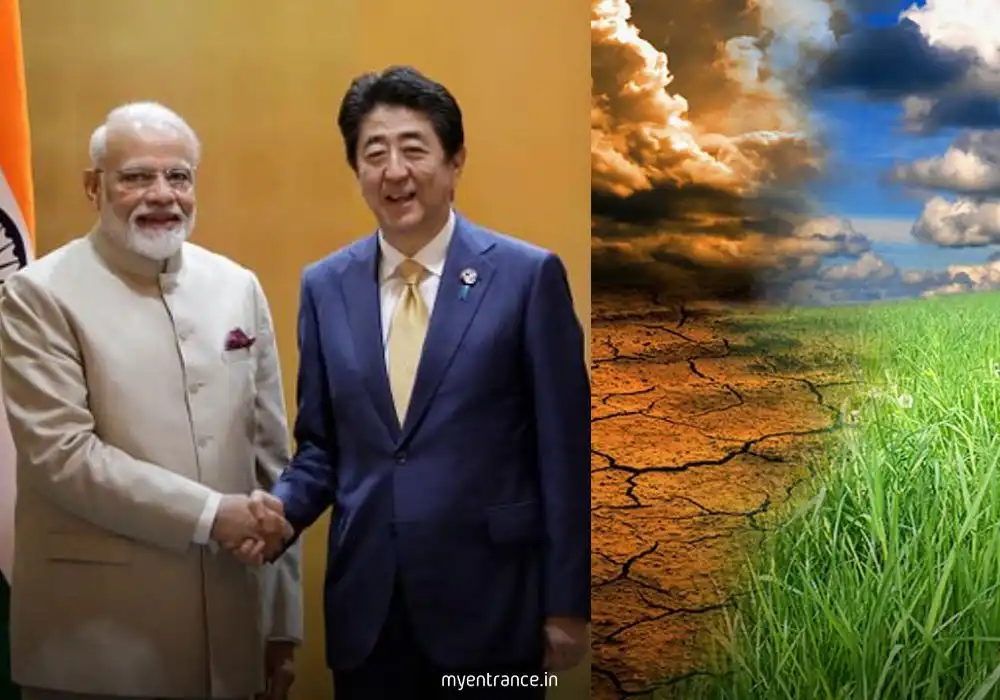
In a pivotal stride towards global climate objectives and sustainable economic growth, India and Japan have formally entered into a Joint Credit Mechanism (JCM) agreement. This significant bilateral understanding, structured under the progressive framework of Article 6.2 of the Paris Agreement, is designed to be a powerful catalyst. Its primary objectives are to invigorate cross-border carbon trading, attract substantial green investment into critical sectors, and cultivate an environment ripe for sustainable innovation. For aspirants preparing for competitive examinations such as UPSC, SSC, PSC, NID, NIFT, and other government sector roles, comprehending the multifaceted implications of this agreement is absolutely crucial, spanning current affairs, environmental policy, and economic strategy.
The Genesis and Goals of the Joint Credit Mechanism
At its core, the Joint Credit Mechanism represents a collaborative instrument aimed at facilitating the transfer of emissions reductions between countries. By establishing a framework where one nation can finance and implement carbon-reducing projects in another, and in return, share the resulting emissions credits, the JCM effectively leverages international cooperation for climate mitigation. Article 6.2 of the Paris Agreement provides the overarching legal and operational scaffolding for such voluntary cooperation, ensuring transparency and environmental integrity. This specific India-Japan collaboration is meticulously crafted to channel resources into projects that not only cut greenhouse gas emissions but also introduce cutting-edge clean technologies and best practices, thereby accelerating both nations’ commitments under the Paris Agreement. The ambition here extends beyond mere carbon accounting; it seeks to embed sustainability directly into industrial processes and energy infrastructure, fostering a symbiotic relationship between economic development and ecological preservation.
India’s Strategic Imperative in a Shifting Global Landscape
The timing and context of this pact are particularly noteworthy for India. Unfolding amidst a backdrop of increasing global economic protectionism, marked by tariffs on Indian goods from some Western economies and strategic restrictions on rare earth minerals from other major powers, this agreement offers India a potent strategic alternative. It provides a robust pathway to bolster its domestic manufacturing capabilities, particularly in green technologies and clean energy sectors, by securing access to Japanese capital, expertise, and innovation. This move is a clear signal of India’s proactive approach to diversifying its international economic partnerships and de-risking its supply chains. By fostering a deeper engagement with Japan on climate action, India not only strengthens its position as a responsible global actor in environmental stewardship but also strategically fortifies its industrial base and future-proofs its energy transition, building resilience against external economic pressures. This bilateral alignment is poised to unlock new avenues for technological transfer and capacity building, crucial elements for India’s long-term sustainable development goals.





