
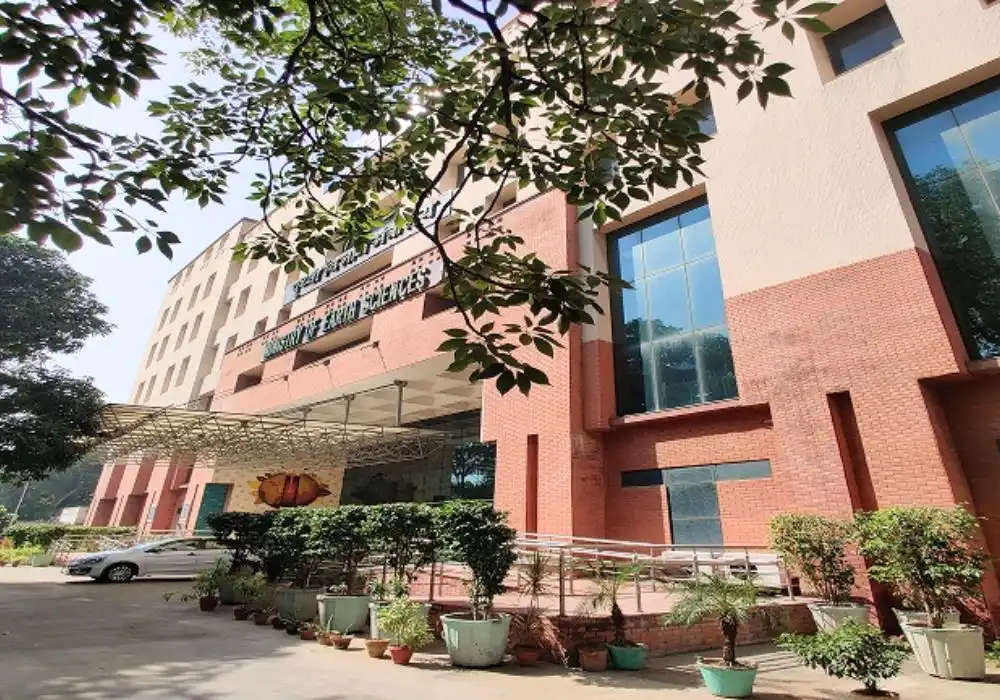
As aspirants preparing for competitive examinations such as UPSC, SSC, PSC, NID, NIFT, and other government recruitment tests, understanding the nuances of government functioning and recent administrative reforms is paramount. These topics often form the bedrock of Current Affairs, General Knowledge, and even essay sections. A recent drive by the Ministry of Earth Sciences offers a perfect case study, highlighting not just departmental efficiency but also broader government objectives that you should be aware of.
The Purpose Behind the Drive: Understanding SCDPM 5.0
At its core, the Special Campaign for Disposal of Pending Matters (SCDPM) 5.0 is a nationwide initiative spearheaded by the Department of Administrative Reforms and Public Grievances. Its fundamental objective is to enhance governmental efficiency, promote a clean work environment, and ensure timely public service delivery by systematically addressing and resolving long-pending issues. This includes not only physical cleanliness within government offices but also the crucial task of decluttering administrative processes by weeding out old, unnecessary files and records. For you, as an exam taker, this signifies the government’s commitment to ‘Good Governance’ – a concept frequently tested in various exams. It’s about how effectively and transparently public administration serves its citizens.
The Earth Sciences Ministry’s Proactive Steps
Under this significant campaign, the Ministry of Earth Sciences has recently demonstrated remarkable proactive engagement. Their efforts were two-pronged: Firstly, they successfully conducted 54 impactful cleanliness campaigns across their various departments and associated offices. These initiatives go beyond mere aesthetics; they create a more conducive and productive work environment for public servants. Secondly, and perhaps more critically from an administrative perspective, the Ministry undertook a thorough review of over 500 files and records. From this comprehensive assessment, they effectively weeded out 192 files. This systematic disposal of non-essential records streamlines operations, reduces storage burdens, and improves the speed and accuracy of retrieving crucial information, ultimately enhancing administrative efficiency.
Why This Matters for Your Exams
This particular effort by the Ministry of Earth Sciences under SCDPM 5.0 isn’t just news; it’s a valuable piece of information for your competitive exam preparation. It illustrates how government ministries are implementing nationwide policies like SCDPM. Understanding the ‘what’ (the campaign), the ‘who’ (Ministry of Earth Sciences, DARPG), the ‘how’ (cleanliness drives, file disposal), and the ‘why’ (efficiency, good governance) will equip you to answer questions in Current Affairs, General Awareness, and even Mains examinations. Questions might arise on government initiatives for administrative reforms, environmental consciousness within government, or the importance of file management. MyEntrance.in always emphasizes connecting daily news with static general knowledge and examination patterns, and this event perfectly exemplifies that synergy.
Frequently Asked Questions (FAQs)
1. What is the full form and primary objective of SCDPM 5.0?
SCDPM stands for Special Campaign for Disposal of Pending Matters. Its primary objective is to enhance government efficiency, improve public service delivery, and foster a clean working environment by systematically addressing pending issues, including physical cleanliness and file management.
2. Which central ministry recently conducted significant cleanliness and file disposal drives under SCDPM 5.0?
The Ministry of Earth Sciences recently conducted 54 cleanliness campaigns and reviewed over 500 files, leading to the disposal of 192 files, as part of the SCDPM 5.0 initiative.
3. Why are such campaigns like SCDPM 5.0 important for government functioning and for competitive exam aspirants?
These campaigns are crucial for government functioning as they promote transparency, efficiency, and better public service. For aspirants, understanding such initiatives demonstrates knowledge of ‘Good Governance’, administrative reforms, and current government priorities, which are frequently tested in UPSC, SSC, and other government exams.
4. Besides cleanliness, what other major aspect does SCDPM 5.0 focus on within government ministries?
Beyond physical cleanliness, SCDPM 5.0 places a significant emphasis on “disposal of pending matters,” which involves the systematic review and weeding out of old or unnecessary files and records to streamline administrative processes and improve data management.
5. How does the Ministry of Earth Sciences’ specific actions relate to broader environmental and administrative goals?
Their actions of conducting cleanliness drives align with broader environmental consciousness and maintaining hygienic public spaces. Simultaneously, the diligent review and disposal of files contribute to administrative efficiency, digital transformation, and better resource management within the government, supporting the overall goals of good governance and streamlined administration.





