
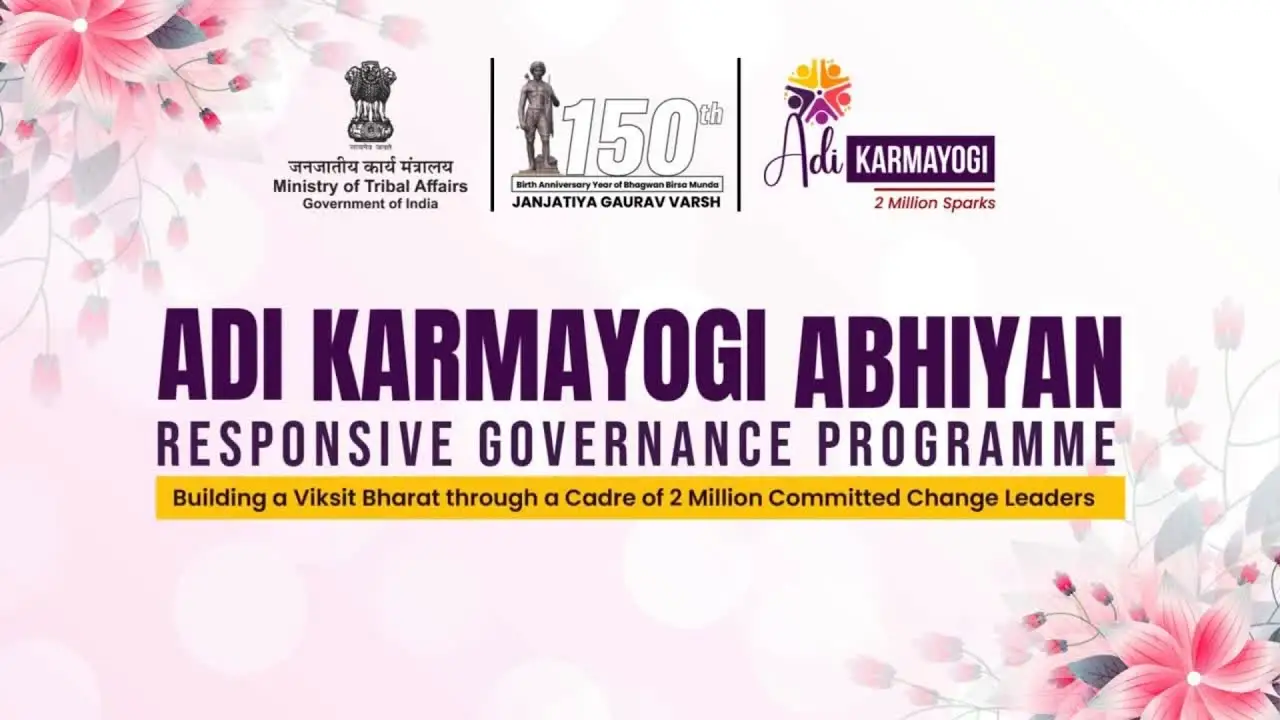
For aspirants preparing for competitive examinations like UPSC, SSC, PSC, NID, NIFT, and other government roles, understanding significant government initiatives is not just about memorizing facts; it’s about grasping their core objectives, potential impact, and relevance to India’s developmental trajectory. The recently launched Adi Karmayogi Abhiyan by the Ministry of Tribal Affairs stands out as a pivotal scheme designed to bring about profound transformation in tribal communities, making it an essential topic for current affairs, general knowledge, and social issues papers.
A New Dawn for Tribal Empowerment: Understanding the Adi Karmayogi Abhiyan
The Adi Karmayogi Abhiyan is a visionary initiative spearheaded by the Tribal Affairs Ministry, with a clear objective to cultivate a strong cadre of trained individuals within tribal villages themselves. This program aims to identify, nurture, and empower individuals to become effective “change-leaders” who can drive development from within their own communities. While Minister Jual Oram officially launched this ambitious program during the National Conclave on Adi Karmayogi Abhiyan in New Delhi, its roots lie in a broader commitment to inclusive growth and the upliftment of tribal populations, who often face unique socio-economic challenges.
The Vision Behind the Initiative: Why “Change-Leaders”?
At its heart, the Abhiyan recognizes that sustainable development is best achieved when led by those who intimately understand local needs and dynamics. The concept of “change-leaders” is not merely about creating beneficiaries, but about fostering agents of progress. These trained individuals will be equipped with the knowledge, skills, and tools necessary to navigate various government schemes, facilitate community engagement, promote education, health, and livelihood opportunities, and ultimately, bridge the gap between policy and implementation at the grassroots level. This approach ensures that the development process is participatory, culturally sensitive, and truly responsive to the aspirations of tribal communities.
Scale and Scope: Reaching Every Corner of Tribal India
The sheer ambition of the Adi Karmayogi Abhiyan is noteworthy, targeting the training of an impressive 20 lakh change-leaders. This massive undertaking is designed to span across one lakh tribal villages throughout the country. Such a comprehensive reach underscores the government’s commitment to ensuring that no tribal area is left behind in the journey of national progress. By establishing a robust network of informed and empowered individuals, the program seeks to create a self-sustaining ecosystem of development, where local leadership can address specific challenges and champion local solutions, fostering a sense of ownership and collective responsibility.
Impact and Objectives: Driving Holistic Development
The primary objectives of the Adi Karmayogi Abhiyan extend beyond mere training. It aims for a holistic transformation of tribal life. By fostering change-leaders, the program intends to:
* Enhance awareness: Ensure tribal communities are fully aware of their rights and the various government welfare schemes available to them.
* Improve scheme utilization: Facilitate better access to and effective utilization of benefits from programs related to education, health, skill development, and economic empowerment.
* Strengthen local governance: Empower local leaders to actively participate in decision-making processes and advocate for community needs.
* Promote self-reliance: Encourage entrepreneurship, traditional crafts, and sustainable livelihood practices.
* Preserve cultural heritage: Integrate development efforts with the unique cultural identity and traditions of different tribal groups.
The long-term impact envisioned is a more equitable, self-reliant, and integrated tribal society, contributing significantly to India’s overall inclusive growth narrative.
Relevance for Your Competitive Exams: A Must-Know Topic
For any serious exam aspirant, the Adi Karmayogi Abhiyan is a crucial subject. It directly relates to several key areas:
* Current Affairs: As a recent and significant government launch.
* General Studies Paper I/II/III (UPSC/PSC): Falls under Social Justice, Tribal Welfare, Government Schemes, Rural Development, and Human Resource Development.
* Essay Writing: Can be used as an example for topics on inclusive growth, empowerment, grassroots development, or social change.
* Interview Preparation: Demonstrates awareness of contemporary national development initiatives.
Understanding its nuances, objectives, and potential impact will provide a deeper understanding of India’s development challenges and solutions, helping you articulate well-informed answers and essays in your examinations. Keep track of such initiatives through daily news quizzes and detailed analyses available on myentrance.in to stay ahead in your preparation.
Frequently Asked Questions (FAQs)
1. What is the primary objective of the Adi Karmayogi Abhiyan?
The primary objective of the Adi Karmayogi Abhiyan is to build a strong cadre of 20 lakh trained “change-leaders” across one lakh tribal villages to drive internal development, enhance awareness of government schemes, and foster sustainable progress within tribal communities.
2. Who launched the Adi Karmayogi Abhiyan?
The Adi Karmayogi Abhiyan was launched by the Tribal Affairs Minister, Jual Oram, during the National Conclave on Adi Karmayogi Abhiyan held in New Delhi.
3. What is the intended scale and reach of this training program?
The program aims to train a substantial 20 lakh change-leaders, specifically targeting and covering one lakh tribal villages throughout the country to ensure widespread impact and community-level transformation.
4. Why is the concept of “change-leaders” central to this initiative?
The concept of “change-leaders” is central because it emphasizes empowering individuals from within the tribal communities themselves. These leaders, understanding local needs and culture, can more effectively facilitate development, bridge the gap between government policies and grassroots implementation, and ensure sustainable progress driven by local ownership.
5. How does the Adi Karmayogi Abhiyan contribute to national development?
By empowering tribal communities through trained local leaders, the Abhiyan contributes significantly to national development by promoting inclusive growth, reducing regional disparities, improving access to welfare schemes, enhancing human capital, and fostering self-reliance, thereby integrating these populations more effectively into the national mainstream.





