
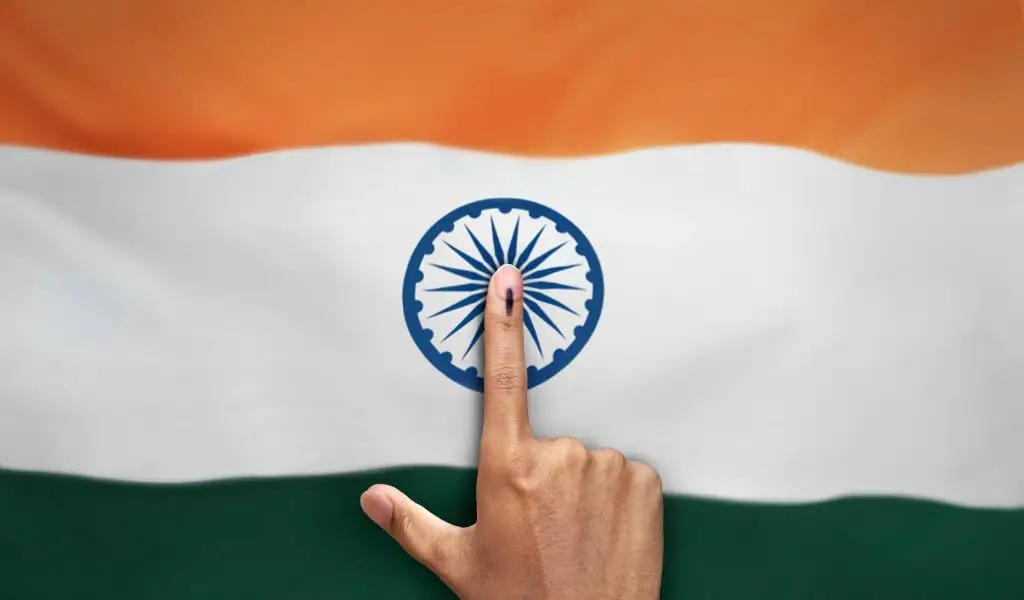
India, the world’s largest democracy, thrives on its vibrant electoral process. While specific events like the conclusion of nomination filings for a particular state assembly election might grab headlines temporarily, understanding the fundamental machinery behind these democratic exercises is paramount for anyone aspiring to excel in competitive examinations like UPSC, SSC, PSC, NID, NIFT, and other government recruitment tests. At myentrance.in, we believe in equipping you with knowledge that not only helps you clear exams but also fosters a deeper understanding of our nation’s fabric. Let’s delve into the fascinating world of Indian elections, focusing on state assembly polls and their significance.
What are State Assembly Elections and Why Do They Matter?
State Assembly Elections, also known as Vidhan Sabha elections, are held to elect representatives to the legislative assembly of each Indian state and union territory with a legislature. These elected members, called Members of the Legislative Assembly (MLAs), then form the state government. The very existence of a democratic government at the state level hinges on these elections. From formulating state-specific policies to managing public services like health, education, and law enforcement, the decisions made by the state government directly impact the lives of millions. For your exams, understanding the distinction between state and central elections, the powers of state legislatures, and the role of the Governor is frequently tested under Indian Polity.
The Grand Process: How India Votes and Governs Itself
The journey from a political party’s manifesto to the formation of a state government is a meticulously orchestrated process, primarily overseen by the independent Election Commission of India (ECI). Let’s explore the key stages:
1. The Election Commission of India: The Guardian of Democracy
At the heart of India’s electoral system is the Election Commission of India, a constitutional body responsible for conducting free and fair elections. Its duties include preparing electoral rolls, delimiting constituencies, announcing election schedules, registering political parties, allocating symbols, and ensuring the implementation of the Model Code of Conduct. The ECI’s independence and authority are crucial topics for any aspirant.
2. Announcing the Schedule and Delimitation
Before any election, the ECI announces a detailed schedule. This includes dates for notification, nomination filing, scrutiny, withdrawal, polling, and counting. Meanwhile, constituencies, or electoral districts, are periodically redrawn based on population changes through a process called delimitation, ensuring equitable representation.
3. Candidate Nomination: The First Step to Representation
This is where individuals declare their intent to stand for election. Aspiring candidates submit their nomination papers, which include personal details, educational qualifications, criminal antecedents (if any), and asset declarations. This phase is critical as it screens candidates based on eligibility criteria set by the Constitution and Representation of the People Act. The scrutiny process, where election officials examine all nomination papers, ensures only eligible candidates proceed. For students, understanding the conditions for disqualification and the role of affidavits is key.
4. Campaigning and the Model Code of Conduct
Once nominations are finalized, political parties and candidates engage in extensive campaigning to convince voters. During this period, the Model Code of Conduct (MCC) comes into effect, providing a set of guidelines to ensure a level playing field and prevent malpractices. Adherence to the MCC by all political entities is crucial for fair elections.
5. Polling Day: The Voice of the People
Citizens exercise their franchise by casting their votes at designated polling stations. Modern Indian elections largely use Electronic Voting Machines (EVMs), often accompanied by Voter Verifiable Paper Audit Trails (VVPATs), enhancing transparency and accuracy.
6. Counting of Votes and Declaration of Results
On a predetermined date, votes are counted, and the candidate securing the highest number of votes in a constituency is declared the winner. The party or coalition that wins a majority of seats in the assembly is then invited to form the state government.
Why Electoral Knowledge is Your Exam Superpower
Understanding India’s electoral system is not just about staying updated with current affairs; it’s a fundamental aspect of Indian Polity and Governance, a core subject for almost all government exams. Questions often revolve around:
* Constitutional Provisions: Articles related to the ECI, state legislatures, adult suffrage.
* Statutory Bodies: The powers and functions of the Election Commission.
* Key Terms: Model Code of Conduct, Delimitation, EVMs, VVPATs, Electoral Bonds.
* Procedural Aspects: The stages of elections, from nomination to result declaration.
* Recent Amendments & Reforms: Any changes to electoral laws or procedures.
By grasping these concepts thoroughly, you’re not just memorizing facts; you’re building a robust understanding of the democratic processes that shape our nation, a skill highly valued in civil services and other administrative roles. myentrance.in offers daily news quizzes, detailed current affairs, and interactive exams to help you master these topics.
Frequently Asked Questions (FAQs)
Q1: What is the primary role of the Election Commission of India (ECI)?
A1: The ECI is an autonomous constitutional body responsible for administering all election processes in India, including parliamentary, state legislative assembly, presidential, and vice-presidential elections. Its main aim is to ensure free, fair, and impartial elections throughout the country.
Q2: What is the difference between Lok Sabha and Vidhan Sabha elections?
A2: Lok Sabha elections are held to elect members to the Parliament of India (the central legislature), who then form the Union government. Vidhan Sabha elections, on the other hand, are conducted to elect members to the Legislative Assembly of a particular state (the state legislature), who then form the state government.
Q3: Who is eligible to vote in Indian elections?
A3: Any Indian citizen who is 18 years of age or older and is registered in the electoral roll of a constituency is eligible to vote in Indian elections. There are specific conditions that might disqualify a person from voting, such as being of unsound mind or convicted of certain criminal offenses.
Q4: What is the Model Code of Conduct (MCC)?
A4: The Model Code of Conduct is a set of guidelines issued by the Election Commission of India for political parties and candidates to follow during an election period. It aims to ensure free and fair elections by preventing misuse of power by the ruling party, avoiding hate speeches, and ensuring a level playing field for all contestants. It is effective from the date of announcement of the election schedule until the declaration of results.
Q5: Can a candidate file a nomination from multiple constituencies in a single election?
A5: Yes, under the existing electoral laws, a candidate can contest from a maximum of two constituencies in the same general election or bye-election. However, if elected from both, the candidate must vacate one seat within a specific timeframe; otherwise, both seats become vacant.





