
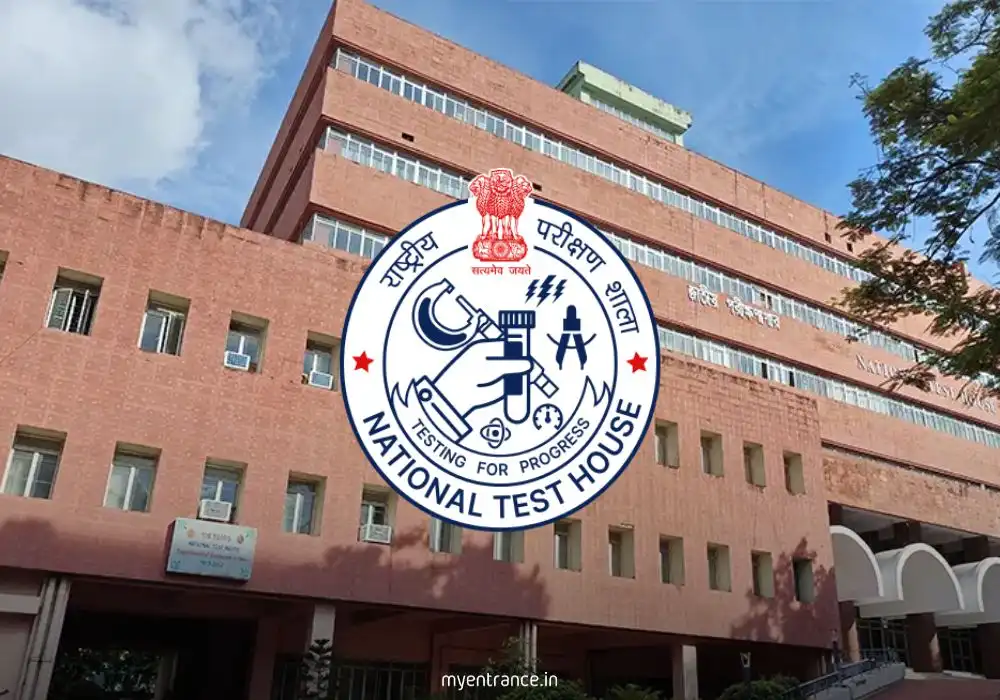
Future-Ready India: NTH Expands Quality Testing to EVs, Drones, & Organic Food – Your GK & Current Affairs Alert!
In a significant move poised to redefine quality and safety standards across emerging sectors in India, the National Test House (NTH) has announced its strategic expansion into new and critical testing domains. Union Minister Pralhad Joshi, a key figure in India’s push for new and renewable energy, recently revealed that NTH will now delve into the intricate testing of Electric Vehicle (EV) batteries, cutting-edge drones, and the increasingly popular organic food products. This landmark decision, unveiled during the 114th-anniversary celebration of NTH in New Delhi, marks a pivotal moment for both consumer protection and industrial innovation, directly impacting topics vital for your upcoming competitive examinations.
Understanding the National Test House (NTH)
For over a century, the National Test House has stood as India’s premier institution dedicated to ensuring the quality and safety of products and materials across various industries. Established to serve as a vital independent third-party testing and calibration laboratory, NTH plays a crucial role in upholding national and international standards. Its core mission revolves around providing accurate, reliable, and impartial testing services, thereby fostering trust in Indian manufacturing and consumer goods. Think of NTH as the nation’s vigilant guardian, meticulously checking everything from the steel in our bridges to the purity of our drinking water, ensuring that what reaches the market is safe, durable, and performs as expected. This foundational role makes NTH a recurring subject in general awareness sections of exams. Memorize the essential facts and figures for exam prep found in this compiled list.
Why This Expansion Matters for India (and Your Exams!)
The decision to broaden NTH’s testing horizons isn’t just an administrative update; it’s a proactive step towards India’s future readiness. In a rapidly evolving global landscape, the country is witnessing an explosion in green technologies, unmanned aerial vehicles, and a growing consumer demand for natural and safe food options. Without robust testing mechanisms, these burgeoning sectors could face challenges related to safety concerns, performance issues, and a lack of consumer confidence. By bringing these new areas under NTH’s rigorous scrutiny, India aims to: boost consumer safety by ensuring EV batteries don’t pose fire risks, drones operate safely, and organic food is genuinely pure; promote innovation and manufacturing by providing local manufacturers with world-class testing facilities, reducing reliance on foreign labs, and encouraging domestic production; strengthen export potential as products certified by a national body like NTH gain credibility in international markets; and uphold environmental standards, especially critical for EV batteries and organic food, contributing to sustainable development. This strategic foresight is exactly the kind of policy development that forms the basis of Current Affairs questions in exams like UPSC and SSC. Engage with our interactive current affairs quiz to make learning fun and effective.
The New Frontiers: EV Batteries, Drones, and Organic Food
Electric Vehicle (EV) Batteries
The electric vehicle revolution is gaining unprecedented momentum in India, driven by environmental concerns and government incentives. However, the heart of any EV lies in its battery. Ensuring the safety, longevity, efficiency, and reliability of these power sources is paramount. NTH’s foray into EV battery testing will cover critical parameters such as charge-discharge cycles, thermal management, shock resistance, and material integrity. This will directly contribute to building trust among consumers and mitigating potential hazards, making electric mobility a safer and more viable option for the masses. From a competitive exam perspective, understanding the technical and regulatory aspects of EV batteries is a trending topic in science and technology sections.
Drones (Unmanned Aerial Vehicles – UAVs)
Drones are no longer just futuristic gadgets; they are transforming industries from agriculture and logistics to surveillance and disaster management. With their increasing proliferation, comprehensive testing for safety, performance, and regulatory compliance becomes indispensable. NTH will focus on evaluating drone components, flight stability, payload capacity, communication systems, and adherence to established aviation guidelines. This ensures that drones operate reliably and do not pose risks to public safety or air traffic, paving the way for their responsible and widespread adoption. Questions on drone policy, applications, and regulations are increasingly common in General Studies papers.
Organic Food
The global and Indian demand for organic food has surged dramatically, with consumers increasingly seeking products free from synthetic pesticides, fertilizers, and genetically modified organisms. However, the authenticity of ‘organic’ claims often requires stringent verification. NTH’s entry into organic food testing will involve rigorous analysis for pesticide residues, heavy metals, adulteration, and genetic modification, ensuring that products marketed as organic genuinely meet the required standards. This move is crucial for protecting consumer health, preventing fraud, and supporting ethical farming practices, making it a relevant topic for both current affairs and economic development in exams.
Ministerial Vision and Future Implications
Union Minister Pralhad Joshi’s emphasis on NTH exploring these ‘newer areas’ underscores the government’s commitment to fostering innovation while simultaneously ensuring robust quality control in India’s rapidly expanding sectors. His vision aligns with the broader national agenda of ‘Atmanirbhar Bharat’ (Self-Reliant India) and ‘Make in India,’ where indigenous production is coupled with world-class quality. This expansion not only enhances NTH’s capabilities but also positions India as a leader in testing and quality assurance for future technologies and sustainable products. Such governmental initiatives are prime subjects for essays and analytical questions in higher-level competitive exams.
How This Impacts Competitive Exam Aspirants
For you, as an aspiring candidate preparing for exams like UPSC, SSC, PSC, NID, NIFT, and other government entrance tests, this development is a goldmine of information. It falls squarely under Current Affairs, General Knowledge, Science and Technology, and Government Policies. Understanding the role of institutions like NTH, the significance of quality control, and the emerging technologies driving India’s growth is not just about scoring marks; it’s about developing a comprehensive understanding of the nation you aspire to serve. Keep an eye on updates from NTH and related government initiatives, as these are frequently tested topics.
The National Test House’s ambitious leap into testing EV batteries, drones, and organic food marks a significant milestone in India’s journey towards a future defined by innovation, quality, and sustainability. This strategic expansion is a testament to the nation’s commitment to ensuring consumer safety, promoting industrial growth, and maintaining high standards across critical sectors. Stay informed about such pivotal developments, as they not only enrich your knowledge base but also equip you with the insights necessary to excel in your competitive examinations and contribute meaningfully to India’s progress.
Frequently Asked Questions (FAQs)
Q1: What is the primary purpose of the National Test House (NTH)?
A: The National Test House (NTH) serves as India’s leading independent third-party testing and calibration laboratory, primarily focused on ensuring the quality, safety, and reliability of a wide range of products and materials across various industries in adherence to national and international standards.
Q2: Which new areas will NTH explore for testing, as announced by Union Minister Pralhad Joshi?
A: As announced by Union Minister Pralhad Joshi, NTH will expand its testing capabilities into three crucial new areas: Electric Vehicle (EV) batteries, drones (Unmanned Aerial Vehicles – UAVs), and organic food products.
Q3: Why is testing for EV batteries, drones, and organic food considered important for India’s growth?
A: Testing these areas is vital for India’s growth because it ensures consumer safety, promotes domestic innovation and manufacturing, strengthens export potential by meeting global standards, and supports sustainable development in rapidly growing sectors.
Q4: How does this NTH expansion relate to competitive examinations like UPSC or SSC?
A: This expansion is highly relevant for competitive examinations as it falls under Current Affairs, General Knowledge, Science and Technology, and Government Policies. Questions related to national institutions, emerging technologies, quality standards, and government initiatives are frequently asked in these exams.
Q5: What specific aspects will NTH likely focus on when testing organic food?
A: When testing organic food, NTH will likely focus on verifying its authenticity by analyzing for pesticide residues, heavy metals, adulteration, and the presence of genetically modified organisms (GMOs) to ensure it truly meets organic standards and protects consumer health.





