
The landscape of labour regulations in India is undergoing a monumental transformation, a shift so significant that it has drawn commendation from prominent international organizations like the International Labour Organization (ILO) and the International Social Security Association (ISSA). These global stalwarts have warmly welcomed the Government of India’s decision to bring its four new Labour Codes into effect, recognizing this comprehensive reform as a pivotal step towards fortifying social protection, enhancing minimum wage frameworks, and robustly building institutional capacity across the nation. For students preparing for competitive examinations, understanding the nuances of these codes and their global reception is crucial, as they represent a landmark development in India’s socio-economic policy.
The Genesis of Reform: Understanding India’s Four Labour Codes
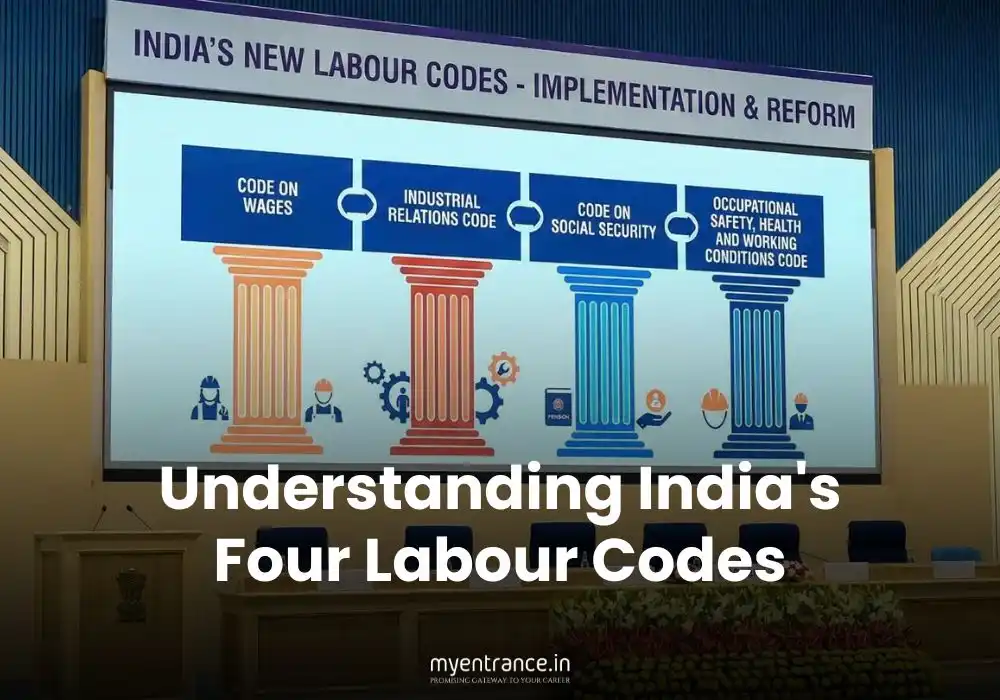
To truly appreciate the international acclaim, one must first grasp the essence of what these reforms entail. India’s journey towards simplifying its intricate labour laws began with an ambitious goal: to consolidate and rationalize a myriad of 29 complex, often overlapping, central labour laws into just four comprehensive codes. This consolidation was not merely an administrative exercise but a strategic move aimed at streamlining compliance, ensuring greater transparency, and extending benefits to a larger segment of the workforce. These four pivotal codes are: the Code on Wages, 2019; the Industrial Relations Code, 2020; the Occupational Safety, Health and Working Conditions Code, 2020; and the Code on Social Security, 2020. Each code addresses a specific dimension of the employer-employee relationship, from ensuring fair remuneration and dispute resolution to guaranteeing a safe workplace and providing a robust social safety net.
Why Global Bodies Endorsed India’s Labour Reforms: The ‘Why’ Behind the Welcome
The enthusiastic reception from organizations like the ILO and ISSA stems from the core objectives embedded within these codes. The ILO, a specialized agency of the United Nations dedicated to promoting decent work, saw these reforms as aligning with international labour standards, particularly in their commitment to universalizing social protection and ensuring fair wages. The ISSA, a leading international organization for social security administrations and agencies, viewed India’s initiative as a significant leap towards expanding social security coverage and making it more dynamic and inclusive.
Specifically, their welcome underscored three critical areas of impact. Firstly, the codes are designed to strengthen social protection by aiming to extend social security benefits, such as provident fund, gratuity, employee state insurance, and maternity benefits, to a much wider array of workers, including those in the unorganized sector and gig economy workers, who were historically excluded. This move towards universalization is a monumental step in reducing precarity and providing a safety net for millions. Secondly, the reforms focus on enhancing minimum wage frameworks. By introducing the concept of a national floor wage and streamlining wage payments, the codes aim to ensure that every worker receives a dignified minimum wage, thereby reducing wage disparities and poverty. Lastly, the codes are seen as instrumental in building institutional capacity. By simplifying the complex regulatory environment, reducing compliance burdens, and digitizing processes, they aim to foster a more conducive environment for both businesses and workers, improving the efficiency and effectiveness of labour administration and enforcement mechanisms across the country.
The Impact and Implementation: How These Codes Shape the Future
The implementation of these Labour Codes signifies a transformative era for India’s workforce and industrial relations. By consolidating and rationalizing fragmented laws, the government aims to create a more harmonious industrial environment, facilitate ease of doing business, and attract greater investment, ultimately leading to job creation and economic growth. For workers, the promise is one of greater security, improved wages, and better working conditions. The codes aim to minimize disputes through clear guidelines and provide robust grievance redressal mechanisms.
While these codes have been passed by the Parliament, their full implementation requires the respective state governments to frame their own rules, which is an ongoing process. Once fully in effect across all states, these reforms are expected to bring about a paradigm shift in how labour is regulated, protected, and compensated in India, moving towards a more equitable and efficient system that aligns with global best practices and caters to the needs of a rapidly evolving economy. This holistic approach, integrating social protection with economic growth objectives, is what garnered the significant international approbation and marks these codes as a crucial subject for any discerning student of public policy and economics.
Frequently Asked Questions (FAQs)
1. What are India’s four new Labour Codes, and what is their primary objective?
India’s four new Labour Codes are the Code on Wages, 2019; the Industrial Relations Code, 2020; the Occupational Safety, Health and Working Conditions Code, 2020; and the Code on Social Security, 2020. Their primary objective is to consolidate 29 existing central labour laws, simplify the regulatory framework, extend social security and minimum wage benefits to a broader workforce, and enhance the ease of doing business in India.
2. Why have international organizations like ILO and ISSA welcomed these reforms?
The International Labour Organization (ILO) and the International Social Security Association (ISSA) have welcomed these reforms because they recognize them as a major step towards strengthening social protection, particularly through the universalization of benefits for various worker categories. They also lauded the efforts to enhance minimum wage frameworks and build stronger institutional capacity for effective labour administration, aligning with global standards for decent work and social security.
3. How do these Labour Codes aim to strengthen social protection for workers?
These Labour Codes aim to strengthen social protection by expanding the coverage of benefits such as provident fund, gratuity, employee state insurance, and maternity benefits to include workers from the unorganized sector, platform workers, and gig workers, who were previously often excluded. The Code on Social Security, in particular, consolidates various social security schemes under one umbrella, making access more universal.
4. What is the significance of the national floor wage introduced by the Code on Wages?
The Code on Wages, 2019, aims to introduce a national floor wage, which is a crucial step towards ensuring a minimum standard of living for all workers across India. This uniform floor wage is expected to reduce regional disparities in wages, prevent exploitation, and ensure that every worker receives fair remuneration, thereby contributing to poverty reduction and improved living standards.
5. When are India’s four new Labour Codes expected to be fully implemented across the country?
While the four Labour Codes have been passed by the Indian Parliament, their full implementation is contingent upon the respective state governments framing and notifying their specific rules under these codes. The Union Government has announced its readiness, and efforts are ongoing to coordinate with states to ensure a synchronized and effective rollout across the entire country.





