
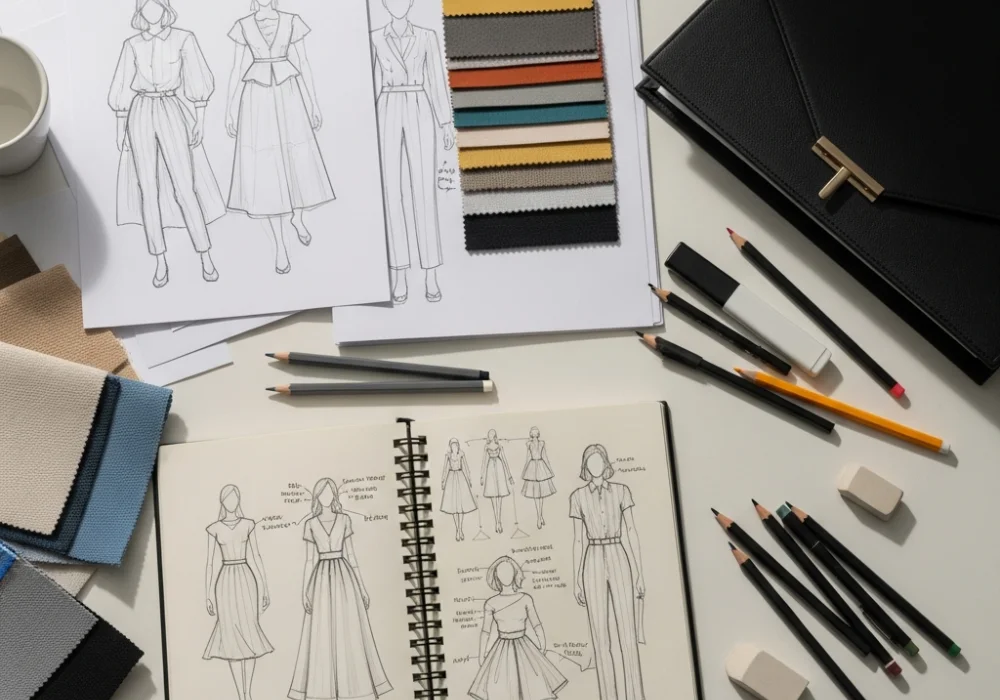
Introduction: The Power of a Design Portfolio
Securing admission into the National Institute of Fashion Technology (NIFT) is the ultimate dream for thousands of aspiring designers across the country. While the written exams like the Creative Ability Test (CAT) and General Ability Test (GAT) are foundational, the portfolio serves as the soul of your application during the later stages of the selection process. A winning NIFT portfolio is more than just a collection of drawings; it is a curated narrative of your creative identity, technical skill, and problem-solving abilities. In the current competitive landscape, understanding how to synthesize your ideas into a professional presentation is the secret to standing out. At myentrance.in, we provide the latest mock tests and guidance to ensure you are prepared for every hurdle of the admission journey.
Table of Contents
What Exactly is a NIFT Portfolio?
In the context of design admissions, a portfolio is a curated document that showcases your best work and creative growth over time. It provides the jury with a glimpse into how you think, how you perceive the world, and how you translate those perceptions into tangible designs. Unlike a simple art gallery, a design portfolio focuses heavily on the ‘process.’ This means showing your initial scribbles, failed attempts, and refined prototypes is just as important as the final masterpiece.
💡 Pro-Tip: The ‘Process’ Secret
Don’t throw away your rough sketches! NIFT examiners love to see the evolution of an idea. Including “work-in-progress” photos or sketches demonstrates your critical thinking and perseverance.
The Core Elements of a Winning Portfolio
To create a balanced portfolio, you must demonstrate a diverse range of skills. While fashion design is the most popular choice, NIFT offers various streams like Accessory Design, Knitwear Design, and Communication Design. Your portfolio should reflect versatility across these domains.
1. Observational Sketching
Showcase your ability to draw from real life. This includes human anatomy, live landscapes, and still-life compositions. Avoid copying from the internet; original observation carries significantly more weight.
2. Material Exploration
Designers work with materials. Include photographs of 3D models you have created using wire, clay, scrap metal, fabric, or even paper (origami). This shows your understanding of form and volume.
3. Color Theory and Application
Demonstrate your mastery over color palettes. Explain why you chose specific colors for a project—whether to evoke a particular emotion or to follow a specific cultural theme.
4. Digital Proficiency
In the modern era, basic knowledge of software like Adobe Photoshop, Illustrator, or even open-source alternatives like Canva and GIMP can give you an edge, especially for Communication Design aspirants.
Storytelling and Conceptualization
Every project in your portfolio should have a “Why.” This is called conceptualization. If you are designing a handbag, is it inspired by the architecture of a specific city? Is it a comment on sustainability? A winning portfolio weaves a thread through different pieces, creating a cohesive brand identity for the student. For instance, you might focus on ‘Eco-minimalism’ or ‘Urban Chaos’ as your central theme.
Using mood boards is an excellent way to start a project. A mood board is a collage of images, textures, and colors that define the atmosphere of your concept. It serves as a visual preamble to your final designs.
💡 Click to Reveal: How to Choose a Theme
Look at your current surroundings. Pick a social issue, a historical era, or a biological phenomenon. Research it deeply and let it guide your sketches, material choices, and color palettes.
Physical vs. Digital Portfolios: A Comparative View
While traditional physical portfolios are classic, digital formats are becoming increasingly popular for initial screenings and interviews. Here is how they compare:
| Feature | Physical Portfolio | Digital Portfolio (PDF/Website) |
|---|---|---|
| Tactile Experience | High (can feel textures/fabrics) | None |
| Portability | Low (bulky to carry) | High (link or USB) |
| Editability | Difficult (requires re-printing) | Easy to update anytime |
| Presentation Style | Binder, Box, or Folder | Slides, Interactive PDF, Behance |
Layout and Visual Consistency
A portfolio with great art but poor layout will fail to make an impact. Design thinking should be applied to the layout itself. Use clean margins, consistent typography, and plenty of white space (negative space). The white space allows the viewer’s eyes to rest and focus on the artwork. If you are showcasing a sketch, do not crowd the page with text; use short, impactful captions to explain your thought process.
Remember to curate your work. It is better to have 10 exceptional pieces than 30 mediocre ones. The jury will judge you based on your weakest piece, so be selective. If you are struggling with time management or need more practice with the latest patterns, utilizing the resources at myentrance.in can help you balance your exam prep with portfolio development.
Common Mistakes to Avoid
- Plagiarism: Never use someone else’s work. The NIFT faculty can easily spot unoriginal content.
- Over-decoration: Don’t use glitter, overly fancy borders, or distracting backgrounds. Let the work speak.
- Lack of Variety: Don’t just show only fashion illustrations. Include photography, typography, or craftwork to show you are a well-rounded candidate.
- Incomplete Projects: Showing a final garment without the initial mood board or sketches makes the project look hollow.
Frequently Asked Questions (FAQs)
Is a portfolio mandatory for NIFT entrance?
While not strictly mandatory for the written CAT/GAT stage, it is highly recommended and often expected during the Situation Test and Interview rounds (for PG courses) or as supplementary evidence for UG candidates to demonstrate their aptitude.
How many pages should a NIFT portfolio have?
A standard portfolio usually contains 15 to 25 well-curated pages. Quality always trumps quantity.
Can I include digital art in my portfolio?
Yes! Including digital illustrations or UI/UX concepts shows that you are tech-savvy and ready for the modern design industry.
Quick Knowledge Check
Test your understanding of the NIFT portfolio secrets!
1. What is the most important part of a design project in a portfolio?
💡 Reveal Answer
The design process (initial sketches, research, and ideation) is considered the most important part.
2. True or False: You should include as many projects as possible to impress the jury.
💡 Reveal Answer
False. Quality and curation are key. It is better to have fewer high-quality pieces than many mediocre ones.
3. What does a mood board help define?
💡 Reveal Answer
A mood board defines the overall theme, color palette, and emotional atmosphere of a project.
Need Help with Your NIFT Preparation?
Our experts at myentrance.in are here to guide you through the latest patterns of NIFT, NID, and other design entrance exams. From mock tests to personalized feedback, we’ve got you covered!
💬 Chat with our Experts on WhatsApp (+91 9526806124)




