
Understanding the NIFT Situation Test
The NIFT Situation Test is the final hurdle for Bachelor of Design (B.Des) aspirants who have cleared the GAT and CAT rounds. Unlike the written exams, this stage evaluates your practical creativity, material handling skills, and ability to conceptualize three-dimensional structures under pressure. As you prepare for upcoming exams, focusing on the latest pattern is crucial to stand out from the competition. At myentrance.in, we provide comprehensive mock tests and study materials that mirror the current syllabus to help you excel.
Why Themes Matter in the Situation Test
In the NIFT Situation Test, you aren’t just building a model; you are telling a story. Themes serve as the foundation of your design. Whether you are asked to design a trophy, a workspace, or a public awareness model, your ability to interpret the theme creatively is what earns you marks. Examiners look for innovation, neatness, and how well your written explanation aligns with your physical model.
Top 10 Creative Themes for NIFT Situation Test Prep
To help you practice, we have curated a list of the most relevant and creative themes based on the latest pattern observed in recent years.
1. Sustainable Urban Living
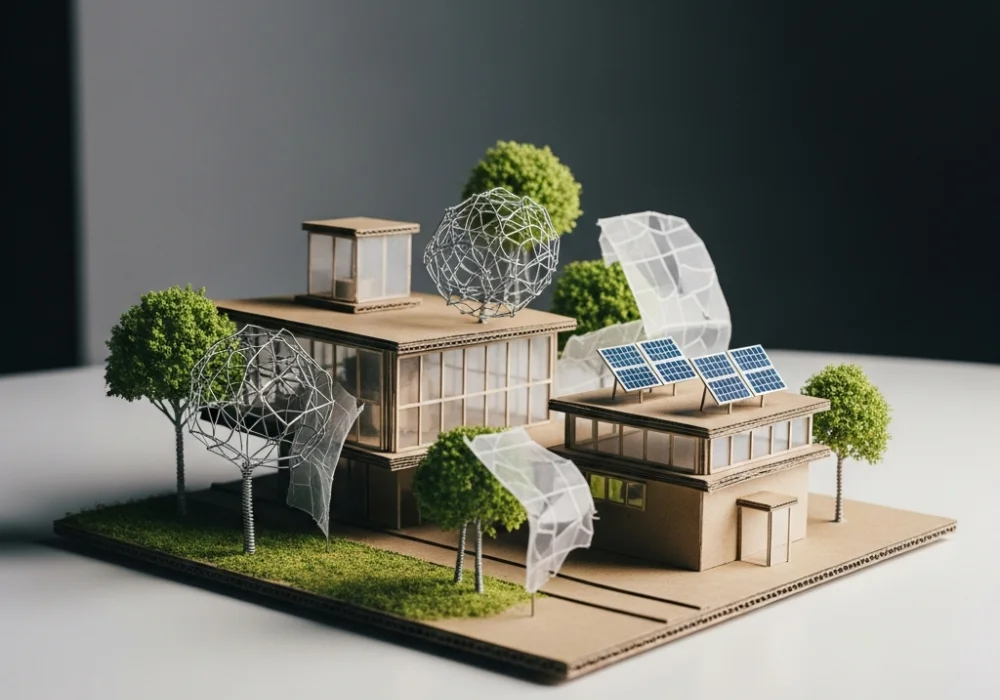
Sustainability is a core focus in modern design. This theme requires you to create models that promote eco-friendly lifestyles in a crowded city. Think about vertical gardens, solar-powered bus stops, or compact waste management systems. Use materials like cardboard for structure and green threads or tinted paper to represent vegetation.
2. Digital Transformation in Rural Areas
Design a model that showcases how technology is reaching the remote corners of the country. This could be a mobile e-learning center for children or a digital marketplace for local artisans. Focus on integrating traditional aesthetics with modern technology using wires and metallic papers.
3. Cultural Heritage Preservation
This theme asks you to bridge the gap between history and the future. You might be asked to design a modern museum entrance that reflects ancient architecture or a souvenir that represents a specific state’s craft. Using textures like jute or crumpled paper can help mimic the look of ancient stone or fabric.
4. Future of Public Transportation
With the world moving toward hyperloops and electric vehicles, this theme tests your futuristic thinking. Design a terminal for an air-taxi service or a futuristic railway coach that maximizes passenger comfort in a limited space. Use geometric shapes and clean finishes to give a sleek, modern look.
5. Mental Health and Wellness Spaces
Design a ‘Zen Zone’ or a relaxation corner for a high-stress environment like a corporate office or a hospital. The challenge here is to use colors and forms that evoke a sense of peace. Soft curves, open spaces, and the clever use of white and blue materials are key here.
6. Women Empowerment and Safety
Create a model that represents the strength of women or a design that enhances safety in public spaces. This could be an innovative street lighting system or a communal workspace designed for female entrepreneurs. Use bold colors and strong structural foundations to convey the message.
7. Zero-Waste Fashion Exhibition
Since NIFT is a premier fashion institute, themes often revolve around the industry. Design a ramp or a gallery for a zero-waste fashion show. You can use scraps of fabric or leftover paper to show the ‘recycled’ nature of the theme.
8. Space Tourism and Exploration
As space travel becomes a reality, designers are needed to conceptualize living quarters on Mars or the interior of a commercial spacecraft. Focus on functionality in zero gravity. Wires, foil, and translucent sheets are excellent materials for this theme.
9. Disaster Management and Resilience
Design a temporary shelter for flood victims or a portable medical kit that can be easily transported to hilly terrains. The focus should be on portability, durability, and quick assembly. Use sturdy materials like thick mount board and corrugated sheets.
10. Childhood Nostalgia and Traditional Games
Recreate a scene from a traditional Indian playground or design a modern toy inspired by ancient games like Ludo or Pallanguzhi. This theme tests your ability to simplify complex emotions into tangible objects using bright, playful colors.
Material Mapping for Design Success
Choosing the right material for the right theme is a skill. The following table provides a quick guide on how to match common materials with specific design elements.
| Material Provided | Common Usage in Models | Best Suited Themes |
|---|---|---|
| Mount Board / Cardboard | Primary structures, walls, floors | Architectural themes, Urban Living |
| Copper / Aluminum Wire | Electricity, boundaries, skeletal frames | Technology, Space, Transportation |
| Jute / Fabric Scraps | Texture, clothing, traditional elements | Heritage, Fashion, Rural themes |
| Transparent Sheets / OHP | Glass, water, futuristic screens | Modernity, Wellness, Smart Cities |
| Clay / Plasticine | Organic shapes, human figures, joints | Nostalgia, Social themes, Wellness |
Essential Tips to Ace the NIFT Situation Test
- Time Management: You usually get 2 hours. Dedicate 15 minutes to brainstorming, 90 minutes to building, and 15 minutes for the write-up.
- The Write-up is Vital: Do not ignore the 100-word write-up. Explain your concept, the choice of materials, and how your model solves the problem presented in the theme.
- Neatness Over Complexity: A simple, neatly finished model is always better than a complex, messy one. Avoid excessive glue marks.
- Stability: Ensure your model doesn’t collapse when the examiner moves it. Test its balance during the building phase.
- Practice with Mock Tests: Regularly practicing with timed challenges is the only way to build speed. Use the resources at myentrance.in to find the latest pattern practice sets.
Frequently Asked Questions (FAQ)
What is the weightage of the NIFT Situation Test?
The Situation Test generally carries a 20% weightage in the final merit list for B.Des candidates. However, it is a crucial component that often decides the final rank for top-tier campuses.
Can I bring my own materials to the exam?
No, you are strictly prohibited from bringing any outside material. You must use only the materials provided in the packet at the exam center. You can only bring your basic stationery kit (scissors, cutters, scales, etc.).
Is drawing part of the Situation Test?
While the focus is on 3D modeling, you might use your pens to add details to your model or sketch your initial ideas during the brainstorming phase. However, the final evaluation is based on the 3D model and the written note.
How should I write the concept note?
Keep it professional and concise. Use keywords related to your theme. Describe why you chose a particular form and how it relates to the user mentioned in the problem statement.
Where can I find sample questions for the NIFT Situation Test?
You can find a wide range of sample questions and material handling tutorials at myentrance.in, which are updated according to the current syllabus and latest pattern.
Conclusion
Success in the NIFT Situation Test requires a blend of creative thinking and disciplined execution. By practicing these top 10 themes and focusing on neatness and conceptual clarity, you can significantly improve your chances of getting into your dream NIFT campus. Start your preparation today by exploring the mock tests and expert guidance available at myentrance.in to stay ahead in your upcoming exams.





