
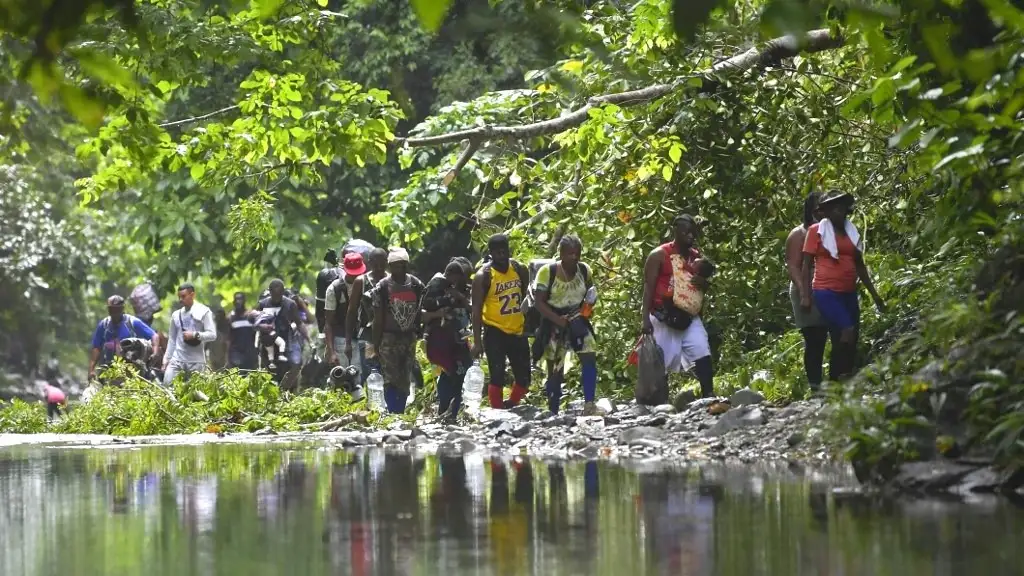
The world of competitive examinations demands not just rote learning but a deep, nuanced understanding of global events and their underlying social, economic, and political dimensions. Recently, the term “Dunki Route” has captured public attention, shedding light on a critical and often tragic aspect of international movement: irregular migration. For aspirants of UPSC, SSC, PSC, and other government exams, comprehending this complex phenomenon is no longer optional but a vital part of current affairs, general knowledge, social issues, and even international relations syllabi.
What Exactly is the ‘Dunki Route’ and Irregular Migration?
The “Dunki Route” refers to an informal, often perilous, and illegal pathway used by individuals seeking to enter foreign countries, particularly Western nations, without proper documentation. Originating from the Punjabi word “Dunki,” meaning to “hop” or “move from one place to another,” it colloquially describes the practice of undocumented entry. This process often involves multiple transit countries, a network of human smugglers, and significant financial and personal risks.
Irregular migration, a broader term, encompasses all movements of people that take place outside the regulatory norms of the sending, transit, or receiving countries. This includes crossing borders without authorization, overstaying valid visas, or working without legal permits. While the reasons are often rooted in aspirations for better economic opportunities, political stability, or escaping persecution, the methods employed on routes like the “Dunki” are fraught with danger and ethical dilemmas.
Why Do People Take Such Risks? The Push and Pull Factors
Understanding irregular migration requires examining the powerful “push” and “pull” factors at play. Push factors compel individuals to leave their home countries, often including economic hardship, lack of employment opportunities, political instability, conflict, persecution, or environmental disasters. Many dream of providing a better life for their families, seeing migration as their only viable option.
Conversely, pull factors attract migrants to specific destinations. These typically include perceived economic prosperity, higher wages, better social services, political freedoms, and the presence of established diaspora communities that can offer support. The allure of a ‘better life’ in developed nations, often amplified by social media and anecdotal stories, becomes a powerful motivator, sometimes overshadowing the immense dangers involved.
The Dark Side: Risks, Exploitation, and Global Impact
The “Dunki Route” and similar irregular migration paths are synonymous with extreme peril. Migrants often face life-threatening journeys across deserts, treacherous seas, or dense forests, frequently in overcrowded and unsafe conditions. The journey is made even more dangerous by human traffickers and smugglers who exploit their vulnerability, charging exorbitant fees, and often resorting to deception, violence, and forced labor. Instances of abduction, extortion, sexual abuse, and even death are tragically common.
Beyond the individual tragedies, irregular migration poses significant challenges for both sending and receiving nations. For receiving countries, it raises concerns about border security, national sovereignty, strain on public services, and potential social integration issues. For sending countries, it often results in a ‘brain drain’ as skilled individuals depart, and families left behind grapple with the emotional and financial aftermath, sometimes falling prey to further exploitation by unscrupulous agents. It’s a complex global issue demanding international cooperation and humane solutions.
Crucial for Your Competitive Exams: How This Topic Fits In
For aspirants of competitive exams like UPSC, SSC, and PSC, the “Dunki Route” and irregular migration are not isolated current events but deeply interconnected with various syllabus components:
* Current Affairs: Stay updated on global migration trends, new policies, international agreements, and significant incidents.
* General Knowledge: Understand the geographical routes, the countries involved, and the terminology associated with migration.
* Social Issues: Analyze the root causes (poverty, inequality, conflict), the social impact on communities, human rights aspects, and the ethical considerations.
* International Relations: Examine the role of international organizations (UNHCR, IOM), bilateral agreements, and foreign policy implications.
* Economy: Study the economic impact of remittances, brain drain, and labor markets.
* Ethics and Integrity (UPSC Mains GS-IV): Delve into the moral dilemmas, exploitation, and humanitarian response.
Myentrance.in is your essential guide to navigating these complex topics. Our comprehensive daily news quizzes, detailed current affairs analyses, static general knowledge modules, and interactive examination materials are specifically designed to help you not only grasp the facts but also develop a critical perspective. We equip you with the insights needed to answer analytical questions in your Mains exams and confidently tackle objective questions in Prelims, ensuring you understand the “why,” “what,” and “how” of such pivotal global issues.
Frequently Asked Questions (FAQs)
Q1: What is the primary difference between regular and irregular migration?
A1: Regular migration occurs through legal channels, respecting the laws and regulations of both the sending and receiving countries, often involving valid visas, work permits, or asylum processes. Irregular migration, conversely, involves crossing international borders or residing in a country without the necessary legal authorization, often through unofficial routes and in clandestine ways.
Q2: Which international organizations are actively involved in addressing irregular migration?
A2: Several international organizations play crucial roles, including the International Organization for Migration (IOM), the United Nations High Commissioner for Refugees (UNHCR), and various UN agencies. They work on humanitarian aid, refugee protection, policy advocacy, and promoting orderly and safe migration.
Q3: What are the typical consequences for individuals caught attempting irregular migration?
A3: Individuals caught attempting irregular migration often face immediate detention, legal proceedings, and eventual deportation back to their home country or a country of transit. They may also face travel bans, financial penalties, and the loss of significant sums of money paid to smugglers, in addition to the immense personal risks and trauma experienced during the journey.
Q4: How does irregular migration impact the global economy?
A4: The impact is multifaceted. While irregular migrants often contribute to the informal economy and send remittances back home, supporting their families and local economies, it can also lead to exploitation, wage depression in certain sectors, and pose challenges for governments in terms of resource allocation and taxation. It also fuels a vast, illicit human smuggling industry.
Q5: What role do sending countries play in preventing irregular migration?
A5: Sending countries can play a significant role by addressing the root causes of migration, such as poverty and lack of opportunities, through economic development and job creation. They can also implement public awareness campaigns about the dangers of irregular migration, strengthen border controls, and cooperate with receiving countries to establish legal and safe migration pathways.





