
What are the Essential Materials for NIFT Studio Test Practice?
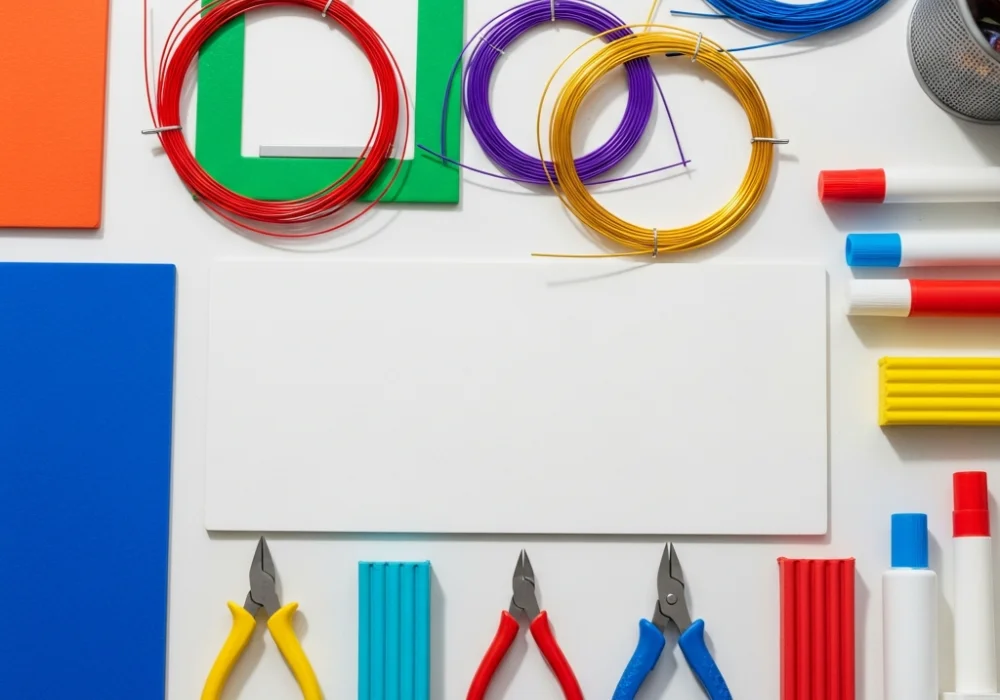
For NIFT Studio Test practice, you need a diverse kit including mount boards, ivory sheets, metal wires, modeling clay, scrap fabrics, precision cutters (X-Acto knives), and varied adhesives. These materials help you master 3D model making, texture manipulation, and structural stability required for the creative ability test.
Preparing for the NIFT Studio Test requires more than just creativity; it demands familiarity with physical materials. Many students struggle because they use the wrong tools during practice. At myentrance.in, we provide the best mock tests and guidance to help you navigate these challenges. Below is the ultimate checklist to build your practice kit.
Table of Contents
1. Essential Base Materials for 3D Modeling
The base is the foundation of any 3D model. You must practice with materials of varying thickness and flexibility.
Which paper types should I practice with?
- Mount Board: Thick and sturdy, ideal for building walls or stable structures.
- Ivory Sheets: Smooth and flexible, perfect for making curved surfaces or origami-based structures.
- Corrugated Sheets: Great for adding texture or representing heavy architectural elements.
- Handmade Paper: Useful for adding organic textures and aesthetic appeal.
💡 Pro-Tip: Handling Mount Boards
Always score the mount board lightly with a blade instead of cutting all the way through if you want to create a clean, sharp fold without breaking the board.
2. Precision Cutting and Measuring Tools
Accuracy is vital in the NIFT Studio Test. Jagged edges can lower your overall presentation score.
What are the must-have cutting tools?
- Steel Ruler: Never use a plastic ruler for cutting; the blade will shave off the plastic. Use a 30cm steel scale.
- Paper Cutter (Snap-off blades): For general cutting of sheets and thin boards.
- X-Acto Knife: Essential for intricate designs and detailed cut-outs.
- Cutting Mat: While you might not get one in the exam, practicing on a mat preserves your blades and desk.
Practice cutting straight lines and perfect circles. Speed and precision are both evaluated by the jury during the actual test.
3. Adhesives and Joining Techniques
How you join two materials determines the durability of your model. Messy glue marks can lead to negative marking.
What adhesives are best for different materials?
- Fevicol MR: Best for paper-to-paper bonding. It takes time to dry, so use it sparingly.
- Glue Stick: Good for temporary positioning or thin paper where you want to avoid wrinkling.
- Double-Sided Tape: Excellent for immediate bonding without the mess of liquid glue.
- Masking Tape: Useful for creating temporary joints or added industrial textures.
💡 Pro-Tip: Avoiding Glue Stains
Apply glue with a toothpick or a scrap piece of paper to control the amount. This prevents excess glue from seeping out of the joints.
4. Decorative and Textile Materials
NIFT often provides a mix of hardware and textile materials to test your versatility across different design domains.
How can I practice with non-paper materials?
- Aluminum/Copper Wire: Practice bending, twisting, and creating wireframes. Wires add a linear element to your 3D compositions.
- Modeling Clay: Used for creating organic shapes, human figures, or adding weight to a base.
- Fabric Scraps: Practice draping, pleating, and folding cloth. Cotton and jute are common in exam kits.
- Yarn/Thread: Essential for weaving techniques or creating tension in your structures.
- Drinking Straws & Ice-cream Sticks: These are classic materials for structural and lattice-based models.
Remember to practice using our mock test scenarios on myentrance.in to simulate the exact material constraints you will face in the exam.
5. Material Comparison Table
Understanding which material to use for specific parts of your model is a skill in itself. Here is a quick guide:
| Material | Best Use Case | Difficulty Level |
|---|---|---|
| Mount Board | Structural Walls, Base | Medium |
| Ivory Sheet | Curving, Origami, Details | Low |
| Metal Wire | Outlines, Movement, Skeletons | High |
| Modeling Clay | Organic Forms, Joining help | Medium |
Frequently Asked Questions (FAQs)
Can I bring my own materials to the NIFT Studio Test?
No. NIFT provides a specific kit of materials to all candidates. You are only allowed to bring basic tools like pencils, erasers, sharpeners, rulers, and sometimes cutters/scissors, depending on the current instructions provided in the admit card.
How do I manage time during the material round?
Spend the first 10-15 minutes sketching your idea. Dedicate the next 60-70 minutes to building the model, and save the last 15 minutes for finishing touches and writing the concept note.
Is the concept note important?
Absolutely. The concept note explains the logic behind your model. Even a great model can fail to impress if the jury doesn’t understand your design intent.
Quick Knowledge Check
Test your material knowledge below!
1. Which tool is safest for cutting against a metal ruler?
Show Answer
A utility knife or paper cutter with a snap-off blade. Avoid using plastic scales as they can be easily damaged.
2. What is ‘scoring’ in 3D model making?
Show Answer
Scoring is the process of making a shallow cut on the surface of a thick board (like mount board) to allow it to fold cleanly without snapping.
3. Which material is best for creating a ‘fluid’ or ‘organic’ look?
Show Answer
Modeling clay or thin fabrics are best for achieving organic, non-linear forms.
Ready to Ace your Design Entrance?
Get access to exclusive mock tests, material handling tutorials, and expert mentorship for NIFT, NID, and more.
💬 Chat with our Experts on WhatsApp (+91 9526806124)




