
A recent series of significant development initiatives in Gujarat, spearheaded by a high-profile visit, offers a treasure trove of insights crucial for aspirants preparing for competitive examinations such as UPSC, SSC, PSC, NID, NIFT, and other government-level tests. These events transcend mere headlines, embodying core principles of India’s economic growth, infrastructure push, and strategic planning that frequently appear in exam papers. Understanding the ‘why,’ ‘what,’ ‘where,’ ‘when,’ and ‘how’ of these projects provides a robust foundation for current affairs, economy, geography, and general knowledge sections.
The ‘Samudra se Samriddhi’ Vision: India’s Maritime Ambition
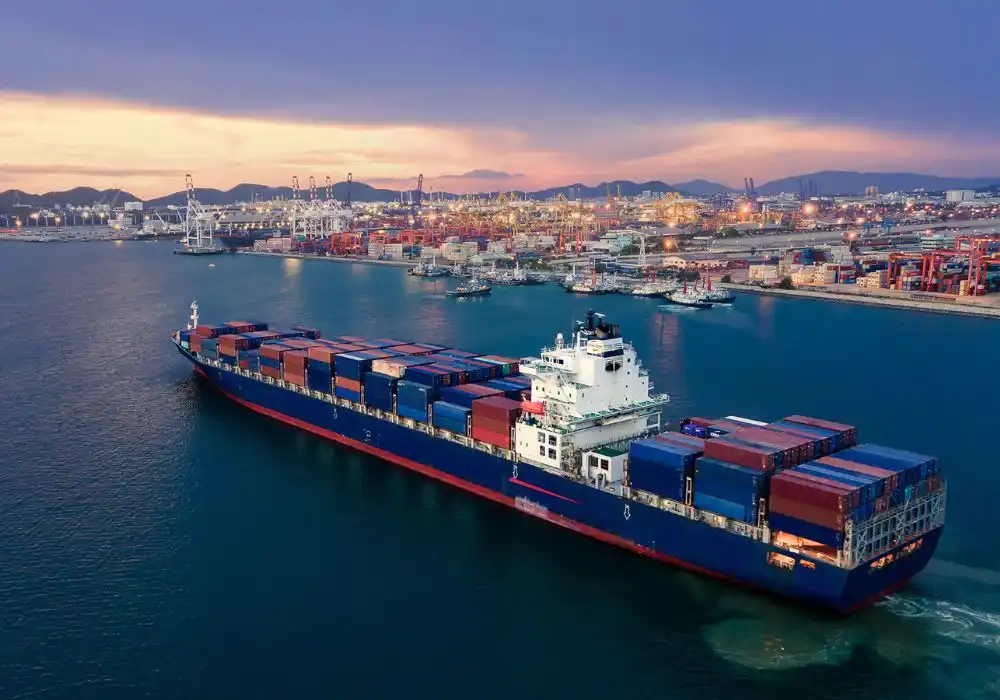
At the heart of these recent developments lies the ‘Samudra se Samriddhi’ (Prosperity from the Sea) initiative, a pivotal program that underscores India’s commitment to leveraging its extensive coastline and maritime resources for national economic growth. This vision aligns directly with the broader ‘Blue Economy’ concept, which aims to promote sustainable use of ocean resources for economic development, improved livelihoods, and ocean ecosystem health. For competitive exams, candidates should focus on understanding this initiative’s overarching goals: enhancing port infrastructure, promoting coastal shipping, developing shipbuilding and ship repair industries, and fostering marine tourism and fisheries. It’s a key component of India’s ‘Sagarmala Programme,’ designed to transform the country’s ports and coastline into engines of economic growth. The ‘why’ behind this initiative is clear: to boost trade, create employment, and integrate coastal communities into the national economic mainstream.
Bhavnagar’s Transformative Projects: A Hub of Progress
The historic city of Bhavnagar in Gujarat recently witnessed the inauguration and foundation stone laying of development projects collectively valued at over 34,200 crore rupees. This substantial investment signifies Bhavnagar’s emergence as a crucial hub for India’s future economic landscape. These projects often encompass diverse sectors, including port development, industrial parks, road connectivity, and social infrastructure. From an examination perspective, understanding the impact of such large-scale investments is vital. They drive regional development, attract foreign direct investment, and create robust supply chains. The ‘what’ here involves concrete infrastructure creation that directly contributes to India’s target of becoming a five-trillion-dollar economy. Aspirants should study the specifics of such projects, including their funding mechanisms, environmental impact assessments, and expected socio-economic outcomes, as these are common themes in Mains examinations.
Dholera SIR: A Blueprint for Smart Industrial Cities
A significant component of the recent Gujarat visit included an aerial survey of Dholera Special Investment Region (SIR). Dholera is not just another industrial zone; it represents India’s ambitious stride towards building state-of-the-art Greenfield industrial cities. The ‘why’ of Dholera SIR is to create a self-sustaining industrial and residential hub with world-class infrastructure, connectivity, and smart amenities. It is strategically positioned within the Delhi-Mumbai Industrial Corridor (DMIC), making it a critical node for manufacturing, trade, and logistics. For aspirants, Dholera serves as a prime case study for urban planning, industrial policy, smart city concepts, and large-scale infrastructure projects. Understanding its unique features, such as smart governance, sustainable development practices, and multimodal connectivity, is essential for questions related to economic geography, infrastructure development, and government initiatives aiming for industrial growth and employment generation. This ‘how’ of planning and executing such a massive project offers invaluable insights into India’s long-term economic strategy.
What This Means for Your Exams
For anyone preparing for competitive exams, these developments in Gujarat are not isolated news items but interconnected components of India’s national development strategy. They offer concrete examples for answers related to:
* Current Affairs: Stay updated on new government schemes, project milestones, and policy announcements related to these initiatives.
* Indian Economy: Analyze their impact on GDP, employment, trade, and sectoral growth (manufacturing, logistics, maritime).
* Geography: Understand the strategic location of Bhavnagar and Dholera, their coastal significance, and their role in regional development corridors.
* Government Schemes & Policies: Link ‘Samudra se Samriddhi’ to Sagarmala, Blue Economy, DMIC, Make in India, and Smart Cities Mission.
* Infrastructure: Study the types of infrastructure being developed (ports, industrial parks, smart cities, connectivity) and their economic implications.
Aspirants should adopt an analytical approach, connecting these events to broader national objectives and studying them as case studies for various theoretical concepts covered in their syllabi.
Frequently Asked Questions (FAQs)
Q1: What is the primary objective of the ‘Samudra se Samriddhi’ initiative?
A1: The ‘Samudra se Samriddhi’ initiative aims to harness India’s vast coastline and maritime potential to drive economic prosperity. Its primary objectives include enhancing port infrastructure, boosting coastal trade and shipping, promoting marine industries like shipbuilding and fisheries, and generating employment opportunities along the coastal regions, thereby integrating them into the national economic framework.
Q2: How does the Dholera Special Investment Region (SIR) contribute to India’s industrial growth?
A2: Dholera SIR is conceived as a future-ready Greenfield industrial smart city designed to attract large-scale industrial investments. It contributes to India’s industrial growth by providing world-class infrastructure, efficient connectivity, and a conducive policy environment, acting as a major manufacturing and logistics hub within the Delhi-Mumbai Industrial Corridor (DMIC). This accelerates industrialization, creates jobs, and showcases sustainable urban-industrial development models.
Q3: Which government programs are complementary to the maritime development efforts seen in initiatives like ‘Samudra se Samriddhi’?
A3: Several government programs complement the maritime development efforts. Key among these are the Sagarmala Programme, focused on port-led development and coastal infrastructure; the Blue Economy framework, promoting sustainable ocean resource utilization; and the Make in India initiative, which seeks to boost domestic manufacturing, including shipbuilding and marine equipment.
Q4: What are the key benefits of developing large-scale industrial projects in regions like Bhavnagar?
A4: Developing large-scale industrial projects in regions like Bhavnagar brings multiple benefits. These include significant job creation, boosting local and regional economies through increased industrial output and trade, enhancing infrastructure (roads, ports, utilities), attracting further investment, and fostering overall socio-economic development in the surrounding areas. It also helps in reducing regional disparities.
Q5: Why is understanding projects like Dholera SIR important for candidates appearing for competitive exams?
A5: Understanding projects like Dholera SIR is crucial for competitive exam candidates because they serve as practical examples of various syllabus topics. They illustrate concepts in economic geography (industrial corridors, special economic zones), urban planning (smart cities, sustainable development), government policies (industrial policy, infrastructure development), and current affairs. Analyzing such projects helps candidates develop a holistic understanding of India’s development trajectory and provides concrete case studies for essay and descriptive answers.





