
Why Understanding India’s Artistic Heritage is Crucial for Your Exam Success
Embarking on the journey to clear competitive examinations like UPSC, SSC, PSC, NID, NIFT, and other government recruitment tests demands a deep and nuanced understanding of India’s rich cultural tapestry. Among the most fascinating and frequently tested subjects is the vast domain of Indian art and architecture. Why is this topic so important, you might ask? Because it serves as a tangible record of our nation’s history, beliefs, societal structures, and technological advancements. Mastering this area doesn’t just add to your knowledge; it provides a unique perspective on India’s evolution, directly contributing to your General Studies scores and giving you an invaluable edge in essays and interviews. For design-oriented exams like NID and NIFT, a strong grasp of our architectural legacy is fundamental to understanding design principles and cultural aesthetics. It’s essential to master static gk for competitive exams to ensure consistent scores.
The Dawn of Design: Ancient India’s Architectural Beginnings
Our exploration of Indian art and architecture begins in the ancient period, where the earliest expressions of organized artistic endeavor can be observed. When we look at the Indus Valley Civilization, for instance, what truly stands out are the meticulously planned cities like Harappa and Mohenjo-Daro, showcasing advanced urban planning with grid systems, sophisticated drainage, and impressive granaries. These structures, built primarily with baked bricks, reveal a highly organized society. As we move into the Mauryan period, a significant shift occurs with the extensive use of stone. This era is defined by magnificent rock-cut caves, grand stupas like the one at Sanchi, and the iconic Ashokan pillars, known for their polished surfaces and insightful edicts. The subsequent Post-Mauryan and Gupta periods witnessed further refinement, often referred to as the ‘Golden Age’ of classical Indian art. Here, the beginnings of freestanding temple architecture emerged, characterized by the Dashavatara Temple at Deogarh, alongside refined sculpture that captured human and divine forms with unparalleled grace and idealism. These developments illustrate a clear evolution in materials, techniques, and the profound influence of religious patronage, primarily Buddhism and early Hinduism.
Temples as Testaments: The Medieval Architectural Flourish
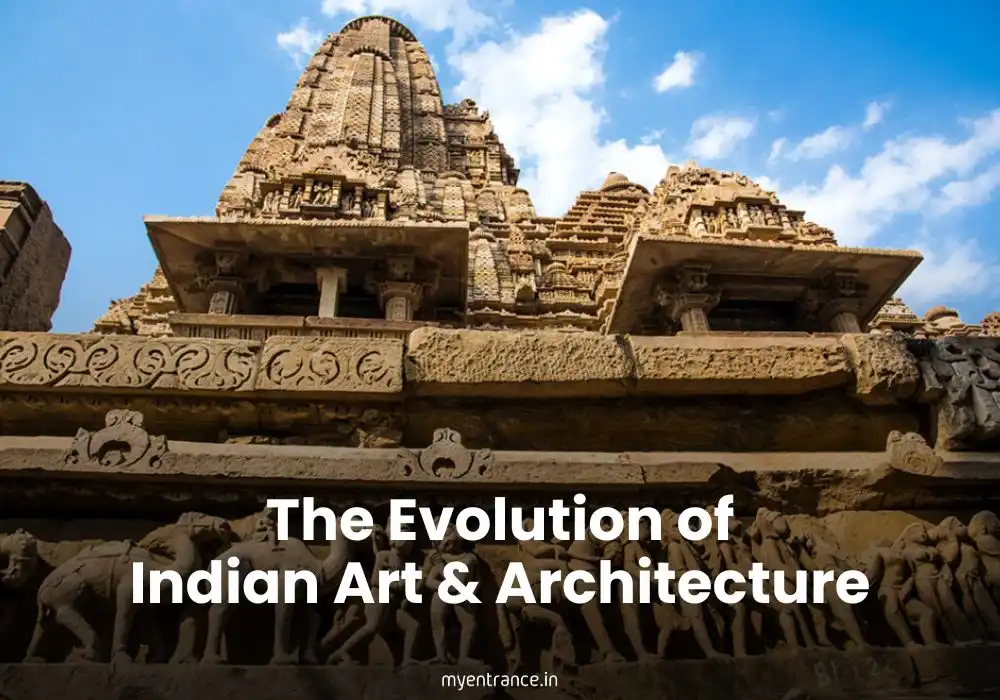
The early medieval period truly marked a zenith in Indian architecture, especially with the proliferation of distinct temple styles across the subcontinent. This era, shaped by powerful dynasties like the Pallavas, Cholas, Chalukyas, and Rashtrakutas, saw the birth of two primary architectural vocabularies: the Nagara style in Northern India and the Dravida style in Southern India. What defines the Nagara style is its curvilinear *shikhara* (tower) and elaborate carving, exemplified by the breathtaking temples of Khajuraho and the Sun Temple at Konark. In contrast, the Dravida style, prevalent in the south, features a stepped, pyramidal *vimana* (tower) crowned by an octagonal or square *shikhara*, alongside towering gateway structures known as *gopurams*. The Shore Temple at Mahabalipuram and the magnificent Brihadisvara Temple at Thanjavur are stellar examples. A hybrid style, known as Vesara, also emerged, blending elements of both Nagara and Dravida. These architectural marvels were not just places of worship; they were expressions of royal power, regional identity, and deep devotional art, with every surface intricately carved to narrate mythological tales. This guide on how to prepare for an exam at the last minute is a lifesaver for cramming.
Fusion and Grandeur: Islamic Influence in Medieval Indian Architecture
The arrival of Islamic rulers in India from the Delhi Sultanate to the mighty Mughal Empire introduced a new dimension to the country’s architectural landscape, leading to a remarkable fusion of styles. When did this transformation occur, and what did it entail? This period saw the introduction of innovative architectural elements such as true arches, domes, and minarets, which were largely absent in indigenous Indian construction. The focus shifted towards grand secular and religious structures, including mosques, tombs, and palaces, often incorporating intricate geometric patterns, calligraphy, and elaborate pietra dura work. Structures like the towering Qutub Minar, the elegant Alai Darwaza, and later, the majestic Red Fort, Humayun’s Tomb, and the grand city of Fatehpur Sikri under the Mughals, perfectly showcase this blend. The iconic Taj Mahal stands as the ultimate testament to this architectural synthesis, embodying a perfect harmony of Persian, Central Asian, and Indian aesthetic traditions, symbolizing an era of unparalleled grandeur and artistic innovation.
Mastering Your Preparation: How MyEntrance.in Empowers You
Understanding the extensive journey of Indian art and architecture, from its ancient roots to its medieval splendor, is undoubtedly a complex task. This is precisely where myentrance.in steps in, offering you an unparalleled platform to master such critical subjects for your competitive examinations. How do we help you navigate this intricate knowledge domain? We provide meticulously curated educational resources, including interactive examinations and detailed answers that test your comprehension. Our daily news quizzes and current affairs sections keep you updated, while our static general knowledge materials ensure a strong foundation. Furthermore, we offer expert examination tips tailored specifically for SSC, UPSC, PSC, NID, NIFT, and other government exams, guiding you on how to approach these questions strategically. With myentrance.in, you’re not just passively learning; you’re actively engaging with the content, transforming your understanding into a powerful tool for exam success. Many toppers recommend this definitive guide to static general knowledge.





