
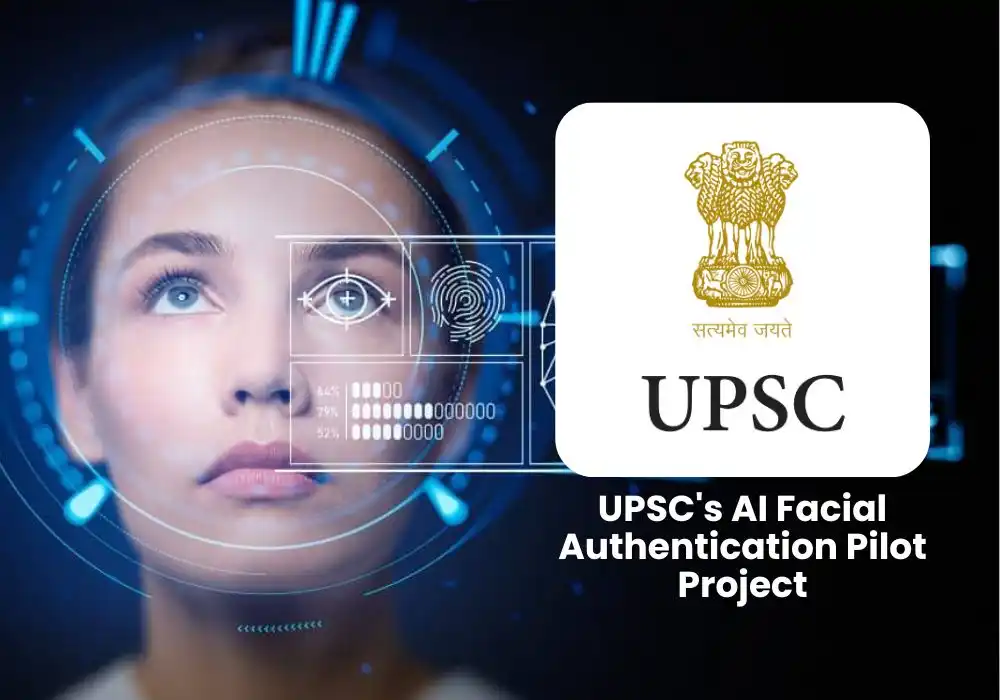
Unmasking the Future: UPSC’s AI Facial Authentication Pilot Project and What It Means for Your Exam Journey
Competitive examinations are the cornerstone of career aspirations for millions, and ensuring their absolute integrity is a non-negotiable imperative. For years, identity verification processes have evolved, moving from basic checks to more sophisticated methods. The Union Public Service Commission (UPSC), a beacon of examination standards, is now spearheading a significant leap into the future of secure candidate verification, setting a precedent for other key examinations like SSC, UPSC, PSC, NID, NIFT, and various government exams. This development signifies a robust commitment to fairness and transparency, impacting every aspirant’s journey. These emergency exam prep resources are designed for situations when time is limited.
The Dawn of Advanced Exam Integrity: What is AI Facial Authentication?
At its core, AI-enabled facial authentication represents a cutting-edge technological advancement designed to swiftly and accurately confirm an individual’s identity. This system leverages sophisticated artificial intelligence algorithms to analyze unique facial features, creating a digital biometric signature. When a candidate presents themselves for an exam, the system performs a live scan of their face, comparing it in real-time against pre-registered data and images. This goes far beyond simple photo matching; it’s a dynamic, highly secure process that ensures the person entering the examination hall is unequivocally the registered candidate, thereby bolstering overall exam security.
Why the Shift? Objectives Behind UPSC’s Innovation
The “why” behind UPSC’s proactive adoption of this technology is multifaceted, driven by a clear vision to enhance the examination ecosystem.
* Elevated Security Against Impersonation: The primary and most critical objective is to decisively combat impersonation and other forms of identity fraud. These malicious activities can severely compromise the sanctity of high-stakes examinations. AI-driven verification offers a nearly foolproof method of identification, significantly reducing the scope for fraudulent entries.
* Streamlined and Rapid Verification: Traditional manual verification processes, while diligent, can often be time-consuming, leading to bottlenecks, long queues, and unnecessary stress for candidates. AI systems can complete identity checks in mere seconds, drastically accelerating entry procedures and ensuring a smoother, more efficient operational flow at examination centers.
* Fortifying Examination Integrity: By minimizing the potential for human error and providing an objective, data-backed verification process, UPSC aims to strengthen the overall integrity and transparency of its selection process. This commitment to fairness is crucial in building and maintaining the trust of millions of aspirants in the examination system. Our daily news analysis for upsc, ssc, psc provides deep insights into the news.
The Pilot Program: How and Where it Unfolded
UPSC’s groundbreaking pilot program for AI-enabled facial authentication was successfully implemented during two major national examinations. This crucial testing phase took place during the National Defence Academy and Naval Academy Examination (NDA and NA II Examination) and the Combined Defence Services Examination (CDS II Examination). Both examinations were held concurrently on the 14th of the specified month, providing a real-world, high-stakes environment to assess the technology’s efficacy. During this trial, candidates underwent the AI-driven facial authentication alongside existing verification methods. This dual approach allowed UPSC to meticulously evaluate the system’s performance, speed, accuracy, and user experience under actual examination conditions. The insights gathered from this pilot are invaluable and will inform the strategic decisions regarding its wider implementation in the future. Regular daily mcq practice on current events is key to scoring well in the gk section.
What This Means for Aspirants: Preparing for the Future
For you, the dedicated aspirants preparing for UPSC, SSC, PSC, NID, NIFT, and other government examinations, this development signifies an important shift towards more technologically advanced and inherently secure examination environments. While the exact timeline for full-scale implementation across all exams remains to be announced, it’s prudent to recognize that future verification processes could become increasingly sophisticated. This evolution places an even greater emphasis on genuine identity and significantly reduces the opportunities for any fraudulent activities. Ultimately, it reinforces the importance of focusing wholeheartedly on your preparation, secure in the knowledge that the examination system is continually striving for maximum fairness and integrity. MyEntrance.in is dedicated to keeping you informed and equipped with the most relevant resources to navigate these evolving landscapes effectively.
Beyond UPSC: A Precedent for All Competitive Exams
While UPSC has taken a pioneering step, it is highly probable that other significant examination bodies across the nation, including those responsible for SSC, PSC, NID, NIFT, and other government recruitment exams, will be closely observing the outcomes and successes of such pilot programs. The fundamental benefits of AI-enabled security—enhanced integrity, speed, and accuracy—are universally applicable. This makes it a strong contender for widespread adoption in the future, promising to usher in a new era of fair and transparent selection processes across various sectors and institutions nationwide. This innovation marks a pivotal chapter in maintaining the sanctity and credibility of competitive examinations for all. Visit the myentrance homepage for study resources spanning from upsc to kerala psc.
Frequently Asked Questions (FAQs)
1. What exactly is AI-enabled facial authentication in the context of UPSC exams?
It is an advanced technological system that utilizes artificial intelligence to verify a candidate’s identity by scanning and analyzing their unique facial features. This system then compares the live scan with the biometric data and photographs provided during the application process, ensuring that the individual presenting for the exam is indeed the legitimate, registered candidate.
2. Why is UPSC introducing this facial authentication technology?
UPSC is implementing this technology primarily to significantly enhance the security and integrity of its examinations. The core objectives are to prevent impersonation and identity fraud, accelerate the candidate verification process at examination centers, and minimize the scope for human error, thereby ensuring a fair, objective, and transparent environment for all genuine aspirants.
3. Which specific UPSC examinations were part of this initial pilot program?
The initial pilot program for AI-enabled facial authentication was successfully conducted during two key examinations: the National Defence Academy and Naval Academy Examination (NDA and NA II Examination) and the Combined Defence Services Examination (CDS II Examination). Both pilots took place on the 14th of the recent month.
4. Will AI facial authentication be used in all upcoming UPSC and other government examinations?
While the pilot program proved successful, UPSC has not yet made an official announcement regarding the full-scale, mandatory implementation across all its examinations. However, the positive outcomes of this pilot suggest a strong possibility of broader adoption in the near future. Other government exam bodies are also likely to consider similar advanced security measures.
5. How should aspirants prepare for or adapt to this new verification method?
Aspirants do not need to undertake any specific “preparation” for facial authentication beyond ensuring that all identity documents and photographs submitted during their application process are clear, accurate, and up-to-date. The primary focus should remain on your academic preparation for the subjects. Be aware that the entry process at examination centers may involve a quick and efficient facial scan, which is typically designed to be a straightforward step in securing your legitimate participation.





