
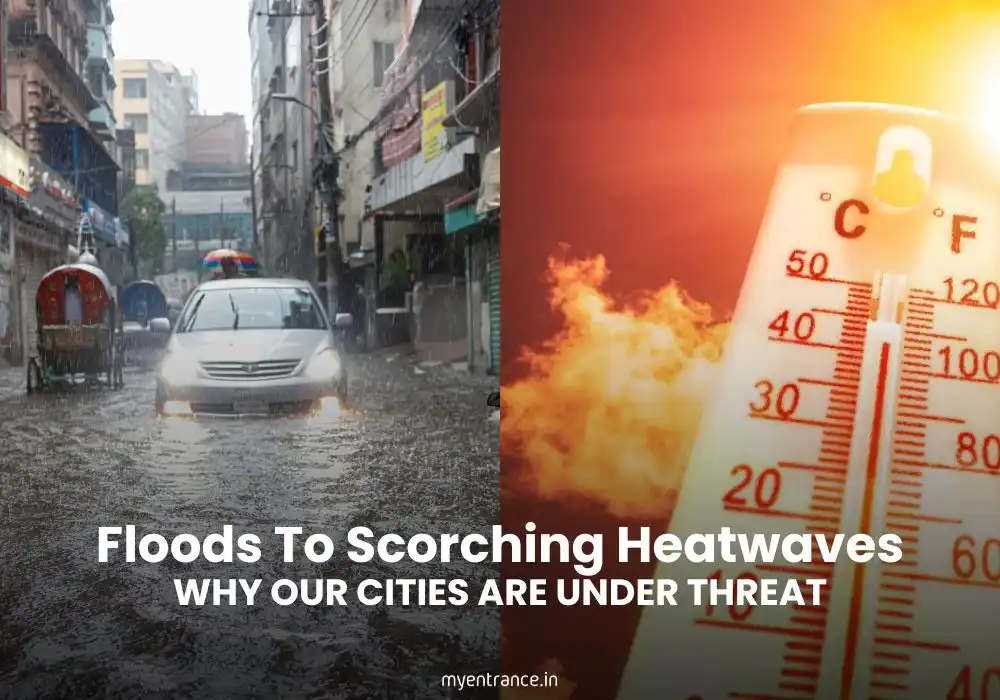
India’s vibrant cities are the engines of its economic growth and cultural hubs, yet they stand at a critical crossroads. They are increasingly vulnerable to the intensifying impacts of climate change, ranging from devastating floods to scorching heatwaves and other significant environmental risks. As aspiring civil servants and professionals, understanding these challenges and the strategies for building resilient urban environments is not merely academic; it’s essential for comprehending the future of our nation and for excelling in competitive examinations.
Why Our Cities Are Under Threat: The Unfolding Crisis
Our urban centers face a multifaceted threat. Intense and erratic rainfall patterns, exacerbated by climate change, frequently overwhelm existing drainage systems, leading to widespread urban flooding. Cities like Mumbai and Chennai have repeatedly experienced the paralyzing effects of such deluges, disrupting lives, livelihoods, and essential services. Concurrently, the ‘urban heat island’ effect, combined with rising global temperatures, subjects many Indian cities to increasingly frequent and severe heatwaves. This extreme heat poses serious health risks, strains power grids, and reduces economic productivity. Beyond these, coastal cities grapple with the specter of rising sea levels and increased storm surges, threatening vital infrastructure and displacing populations. The sheer density of urban populations, coupled with often inadequate infrastructure planning, amplifies these climate-related vulnerabilities, making our cities particularly susceptible to disruption and damage. Ensure you have the most up-to-date gk news for your exam from a trusted source.
Building Blocks of Urban Resilience: A Strategic Imperative
The concept of climate resilience in an urban context refers to a city’s ability to anticipate, absorb, adapt to, and rapidly recover from the shocks and stresses imposed by climate change. This isn’t just about constructing stronger buildings; it encompasses a holistic approach to urban planning and development. For instance, resilient housing involves using climate-appropriate materials, incorporating passive cooling techniques, and designing structures to withstand extreme weather events. In the realm of transport, it means developing flood-proof roads, elevated public transport networks, and promoting sustainable mobility options less susceptible to weather disruptions. Essential services, too, must be made robust: ensuring uninterrupted water supply through efficient water management and rainwater harvesting, establishing reliable, decentralized energy grids often powered by renewables, and implementing advanced waste management systems that prevent environmental degradation and disease outbreaks. Government initiatives like the Smart Cities Mission inherently recognize the importance of sustainable infrastructure and climate-proof urban planning, making these topics crucial for current affairs and static general knowledge for exams like UPSC and SSC. Our platform offers reliable static general knowledge material that is fact-checked and accurate.
Strategies for a Sustainable Urban Future: How We Adapt and Innovate
Creating climate-resilient cities requires a multi-pronged approach that integrates policy, infrastructure, and community involvement. Robust urban planning must now incorporate climate risk assessments, guiding land-use zoning to avoid flood-prone areas and protecting natural buffers like wetlands and urban forests, which act as natural sponges for excess water and cooling agents. Investing in both ‘grey’ infrastructure, such as modern drainage systems and protective embankments, and ‘green’ infrastructure, like extensive tree cover and permeable pavements, is paramount. Furthermore, the development of sophisticated early warning systems for floods, heatwaves, and cyclones can provide critical lead time for preparedness and evacuation. Empowering local communities through awareness campaigns and training in disaster preparedness ensures a more effective response when adverse events occur. Leveraging technology, from data analytics for predicting climate impacts to smart grid solutions for energy efficiency, plays a pivotal role in innovating adaptive strategies. All these efforts require sustained funding and collaborative efforts from central and state governments, local bodies, and even international organizations, highlighting the interconnectedness of national and global environmental policies.
Your Role in Shaping Tomorrow: Knowledge for Action
The challenges of urban climate resilience are not abstract concepts; they are pressing realities that will shape India’s future. For those preparing for competitive examinations, a deep understanding of these issues is invaluable. Questions on environmental policy, sustainable development, urban planning, disaster management, and current affairs frequently feature in exams like the UPSC Civil Services, various PSCs, SSC, and even design entrance tests like NID and NIFT, which increasingly focus on sustainable design and community impact. By engaging with topics like the causes and effects of climate change, specific government schemes for urban development, and innovative solutions, you equip yourself not only to ace your exams but also to contribute meaningfully to India’s journey towards a sustainable and resilient future. Make sure to regularly check `myentrance.in` for daily news quizzes, detailed current affairs analyses, and comprehensive static general knowledge resources to stay updated on these critical developments.





