
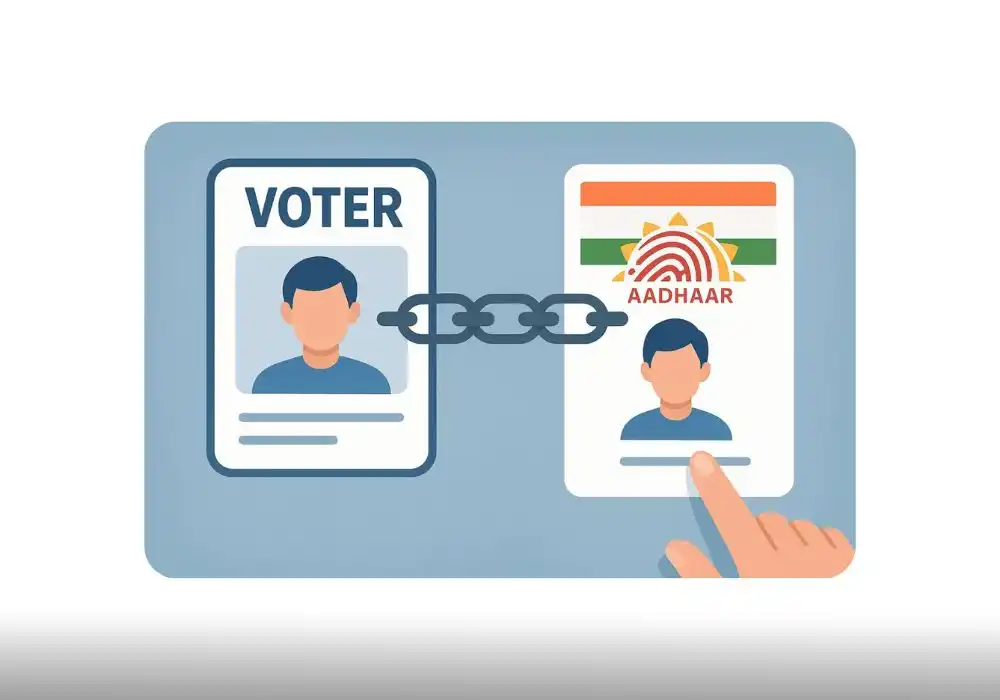
The integrity of our democratic process hinges on accurate and up-to-date electoral rolls. Understanding how these rolls are maintained is not just crucial for citizens, but also a vital topic for anyone preparing for competitive examinations like UPSC, SSC, PSC, NID, NIFT, and other government-level tests. The Election Commission of India (ECI), the autonomous constitutional body responsible for administering elections, has already initiated significant preparations for a Special Intensive Revision (SIR) of the electoral rolls in Delhi, slated for 2025. This proactive approach underscores the ECI’s commitment to ensuring free and fair elections, and its systematic methodology offers valuable insights for aspirants studying current affairs, general knowledge, and Indian polity. Discover how to maximize your score with last-minute studying by focusing on high-yield topics.
The Blueprint for Accurate Voter Lists: What is a Special Intensive Revision?
At its core, a Special Intensive Revision is a thorough and meticulous exercise undertaken by the Election Commission to update and purify the list of eligible voters. Think of it as a comprehensive spring-cleaning operation for the voter database. The primary objective is to include all eligible citizens who have turned 18, remove the names of deceased or permanently shifted voters, and correct any errors in existing entries. This continuous process ensures that the electoral roll accurately reflects the demographic reality of a constituency at any given time, preventing disenfranchisement of eligible voters and safeguarding against fraudulent voting. For 2025, the focus is squarely on Delhi, the nation’s capital, where the Office of the Chief Electoral Officer (CEO) is spearheading the ground-level preparations.
Why Proactive Preparation is Key: The ECI’s Systematic Approach
The Election Commission of India’s early commencement of preparations for the 2025 SIR in Delhi highlights its commitment to a robust and error-free electoral process. Such an extensive exercise cannot be rushed; it demands careful planning, resource allocation, and meticulous execution. Starting well in advance allows for ample time to train personnel, clarify procedures, and address any logistical challenges that may arise. The ECI, a body established under Article 324 of the Indian Constitution, consistently demonstrates a systematic and objective approach to its duties, a characteristic feature of effective governance that frequently appears in exam questions related to constitutional bodies and public administration.
A crucial component of this early preparation involves the appointment of Booth Level Officers (BLOs) across all Assembly Constituencies in Delhi. These BLOs are the frontline workers of the Election Commission, operating at the grassroots level. They are typically local government officials, often teachers, who are intimately familiar with their assigned polling areas. Their role is pivotal: they are responsible for surveying their respective areas, identifying eligible new voters, verifying existing details, and assisting citizens with the enrollment or correction process. Their accuracy and dedication directly contribute to the reliability of the electoral roll, making them indispensable to the democratic framework.
Your Exam Edge: Connecting Current Events to Core Subjects
For competitive exam aspirants, this news is much more than a mere headline. It’s a live case study illustrating several key subjects:
* Current Affairs: This ongoing development is directly relevant to your daily news updates.
* Indian Polity & Constitution: It provides practical context to the functions of the Election Commission of India, its constitutional mandate (Article 324), and the mechanics of electoral administration. Questions on the powers and responsibilities of the ECI, electoral reforms, and the role of BLOs are common in UPSC and State PSC exams.
* General Knowledge: Understanding the process of voter registration and revision is fundamental civic knowledge.
* Public Administration: The coordination between the ECI, Chief Electoral Officer, and ground-level BLOs showcases effective administrative machinery.
By understanding the ‘why’ behind the ECI’s actions – to maintain democratic integrity – the ‘what’ of the SIR process, the ‘where’ (Delhi), ‘when’ (preparations for 2025), and ‘how’ (through BLOs and systematic planning), you gain a holistic perspective that can boost your scores in both objective and descriptive examination formats. Staying informed about these preparatory phases allows you to connect theoretical knowledge with real-world applications, a skill highly valued in government service. This curated static gk syllabus for all exams helps you focus on what truly matters.
Frequently Asked Questions (FAQs)
1. What is the primary purpose of a Special Intensive Revision (SIR) of electoral rolls?
The main objective of an SIR is to ensure the electoral roll is as accurate and current as possible. This involves adding eligible new voters, removing names of individuals who are no longer eligible (e.g., deceased or shifted), and correcting any errors, thereby maintaining the purity and integrity of the voter list for fair elections.
2. Who are Booth Level Officers (BLOs) and what is their significance in this process?
Booth Level Officers (BLOs) are local government officials, often teachers, appointed by the Election Commission to work at the grassroots level. They are the primary point of contact for voters in their assigned polling areas, responsible for verifying voter details, assisting with new registrations, corrections, and deletions, and ensuring the accuracy of the electoral roll. Their ground-level work is critical for the success of any revision exercise.
3. Why does the Election Commission start preparations for an electoral roll revision so far in advance, like for 2025?
The Election Commission initiates preparations well in advance because an electoral roll revision is a large-scale, complex exercise requiring extensive planning, training of personnel, and coordination across various levels of administration. Starting early allows ample time to meticulously execute each step, address challenges, and minimize errors, ensuring a comprehensive and accurate final voter list.
4. How does an accurate and updated voter list contribute to the fairness and transparency of elections?
An accurate voter list is fundamental to fair and transparent elections because it prevents both the disenfranchisement of eligible citizens and fraudulent voting. It ensures that only those legally entitled to vote can do so, and that no eligible voter is left out, thereby upholding the principle of one person, one vote and strengthening public trust in the electoral process.
5. As a competitive exam aspirant, how should I effectively study news related to the Election Commission and electoral processes?
To effectively study such news, connect it to your syllabus. For current affairs, understand the ‘what’, ‘why’, ‘where’, ‘when’, and ‘how’ of the event. For static GK and Polity, relate it to constitutional provisions (e.g., Article 324), the powers and functions of the ECI, electoral reforms, and the structure of electoral administration. Analyze the implications for democracy and governance, preparing yourself for both objective and descriptive questions.





