
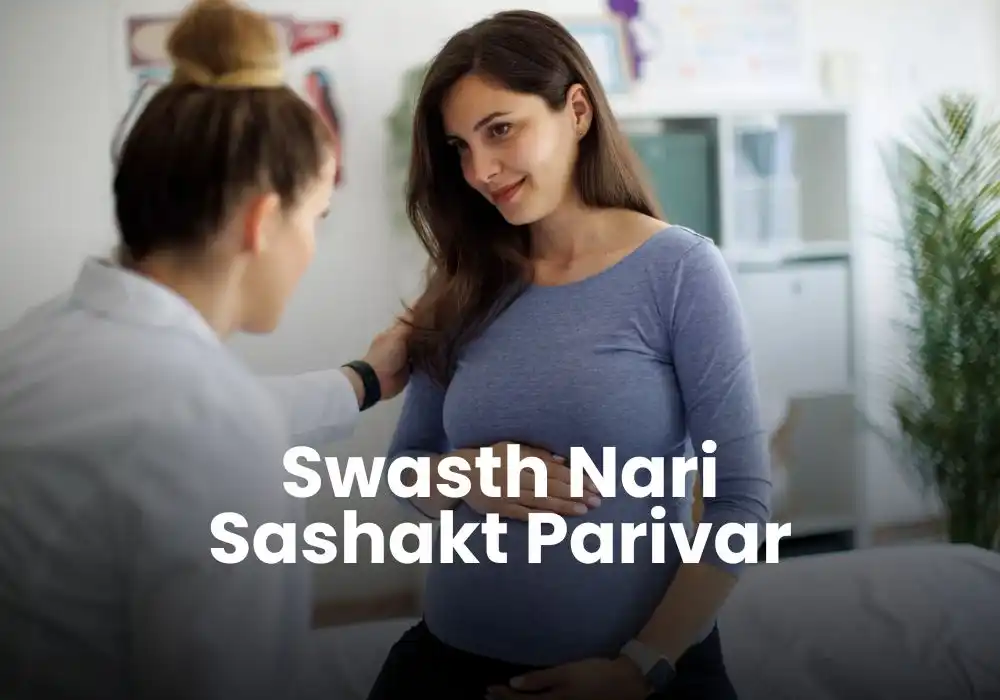
Prime Minister Narendra Modi is set to inaugurate two pivotal nationwide campaigns, ‘Swasth Nari Sashakt Parivar’ and the 8th edition of ‘Rashtriya Poshan Maah’, from Dhar in Madhya Pradesh. These initiatives underscore the government’s steadfast commitment to enhancing public health and nutrition across India, serving as crucial topics for aspirants preparing for UPSC, SSC, PSC, and other government examinations. Understanding the objectives, scope, and impact of these government schemes is vital for excelling in current affairs and general studies sections of various competitive exams. You can easily access gk resources and quizzes by navigating our site.
Understanding the Key Initiatives
These upcoming health campaigns and nutrition initiatives are designed to foster a healthier and more empowered society. The launch from Madhya Pradesh signifies a concentrated effort to bring these crucial programs to the forefront of national dialogue and implementation.
The ‘Swasth Nari Sashakt Parivar’ Campaign
The name itself, ‘Swasth Nari Sashakt Parivar’, translates to ‘Healthy Woman, Empowered Family’, clearly articulating its core mission. This initiative focuses on the foundational role of women’s health in building robust and resilient families and, by extension, a stronger nation. It aims to promote comprehensive women’s health through various interventions, potentially covering aspects like reproductive health, maternal care, non-communicable disease screening, and overall well-being. By ensuring women are healthy, the campaign seeks to empower them to contribute more effectively to their families and communities, leading to holistic societal development. For UPSC and SSC aspirants, this scheme is a prime example of social welfare policies and gender development strategies.
The 8th ‘Rashtriya Poshan Maah’ (National Nutrition Month)
The ‘Rashtriya Poshan Maah’, now in its eighth year, is an annual observance dedicated to improving child nutrition and public health outcomes. This month-long campaign intensifies efforts to raise awareness about the importance of proper nutrition, especially for children, pregnant women, and lactating mothers. It aims to combat malnutrition, promote healthy eating habits, and educate communities on nutritional best practices. The campaign typically involves a multi-sectoral approach, engaging various government departments, local bodies, and community health workers. Its continuous emphasis highlights India’s commitment to achieving its Sustainable Development Goals related to zero hunger and good health and well-being. For candidates preparing for government exams, understanding the evolution and objectives of ‘Poshan Maah’ is key to answering questions on social sector initiatives and public health.
Why These Campaigns Matter: Objectives and Reach
The overarching objective behind both ‘Swasth Nari Sashakt Parivar’ and ‘Rashtriya Poshan Maah’ is to improve the health indicators of the nation, particularly focusing on vulnerable groups. These health campaigns are not just isolated events but integral parts of a larger national strategy to build a healthier and more productive populace. They aim to reduce instances of malnutrition, improve maternal and child health, and ensure that women have access to necessary healthcare services, thereby enhancing their overall quality of life and societal participation.
The campaigns are set to roll out from tomorrow until the 2nd of next month, demonstrating a focused and time-bound approach. Their implementation will span across the entire country, leveraging existing public health infrastructure such as Ayushman Arogya Mandirs, Community Health Centres, District Hospitals, and other government health facilities. This widespread reach ensures that the benefits of these initiatives are accessible even in remote areas, emphasizing the government’s commitment to inclusive development. Aspirants should note how these government schemes utilize existing infrastructure for wider impact, a common strategy in public administration.
Relevance for Competitive Exam Aspirants
For anyone aspiring for a career in public service through exams like UPSC, SSC, PSC, NID, NIFT, and other government exams, these campaigns are more than just news. They represent crucial data points for current affairs analysis, government policy understanding, and social issue discussions.
* Current Affairs: Direct questions on the launch, objectives, and specific details of ‘Swasth Nari Sashakt Parivar’ and ‘Rashtriya Poshan Maah’ are highly probable.
* General Studies (Paper II/III for UPSC): These initiatives fall under topics like Governance, Social Justice, Health, Human Resource Development, and Government Policies. Understanding their rationale and anticipated impact is crucial for analytical answers.
* Essay Writing: These campaigns provide excellent material for essays on women empowerment, public health, nutrition, or sustainable development.
* Interview Preparation: Being knowledgeable about such flagship health campaigns demonstrates awareness of national priorities and societal challenges.
By following the developments of these nutrition initiatives and health campaigns, candidates can enrich their knowledge base, providing a competitive edge in their preparations. Ensure you’ve covered everything with our final hour exam preparation checklist.
Frequently Asked Questions (FAQs)
1. What is the primary objective of the ‘Swasth Nari Sashakt Parivar’ campaign?
The main objective of the ‘Swasth Nari Sashakt Parivar’ campaign is to promote comprehensive women’s health across the nation, thereby empowering them and strengthening the family unit as a whole. It aims to ensure that women have access to necessary healthcare services, which is seen as fundamental to societal well-being and progress.
2. How does the ‘Rashtriya Poshan Maah’ contribute to India’s development goals?
‘Rashtriya Poshan Maah’ significantly contributes to India’s development goals, particularly those related to health and nutrition. By raising awareness, promoting healthy eating practices, and intensifying efforts to combat malnutrition among children, pregnant women, and lactating mothers, it directly supports the achievement of Sustainable Development Goals like ‘Zero Hunger’ and ‘Good Health and Well-being’.
3. Which government facilities will be utilized for the implementation of these campaigns?
The campaigns will be implemented nationwide by utilizing a wide network of existing government health facilities. This includes Ayushman Arogya Mandirs, Community Health Centres, District Hospitals, and various other public health infrastructure, ensuring broad accessibility for citizens.
4. Why is it important for competitive exam aspirants to know about these initiatives?
For competitive exam aspirants, these initiatives are vital as they form a crucial part of current affairs, government schemes, and social issues sections. Questions related to their objectives, implementation, and impact are highly likely in various exams, including UPSC, SSC, and PSC, making them essential for comprehensive preparation and analytical understanding.
5. How frequently is ‘Rashtriya Poshan Maah’ observed, and what is its significance?
‘Rashtriya Poshan Maah’ is observed annually, typically during September, and the upcoming one will be its 8th edition. Its significance lies in its consistent focus on nutritional awareness and combating malnutrition through a dedicated month-long, nationwide campaign, bringing public attention and concerted action towards improving health outcomes.





