
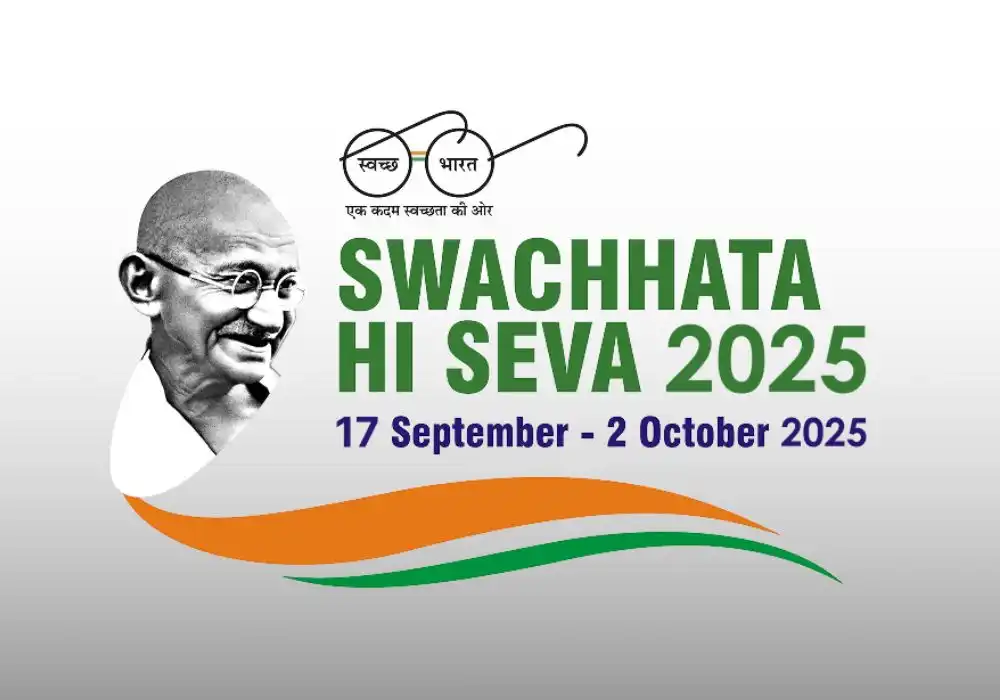
The pursuit of a cleaner nation is a continuous endeavor, and at the heart of this mission lies the Swachhata Hi Seva Campaign. For aspirants targeting demanding examinations such as the UPSC, SSC, PSC, NID, NIFT, and various other government job roles, understanding such national initiatives is not merely about staying updated with current events; it’s about grasping the pulse of governance, public policy, and societal development. The recent launch of the Swachhata Hi Seva Campaign 2025 by the Ministry of Minority Affairs is a prime example of a topic that seamlessly bridges current affairs with static general knowledge, offering invaluable insights for your exam preparation. Sharpen your skills with these current affairs practice questions updated daily.
Understanding the Swachhata Hi Seva 2025 Campaign
At its core, the Swachhata Hi Seva (Cleanliness is Service) campaign is a nationwide drive designed to invigorate the spirit of cleanliness and sanitation across India. It serves as a precursor to the Swachh Bharat Abhiyan, reinforcing its objectives and encouraging widespread public participation. The 2025 edition of this significant campaign commenced recently and is slated to continue until the highly symbolic date of October 2nd, coinciding with Gandhi Jayanti. This initiative aims to foster a collective sense of responsibility towards maintaining hygiene and cleanliness in our surroundings, promoting healthy living, and upholding environmental integrity.
The Ministry of Minority Affairs’ Pivotal Role
While cleanliness campaigns often fall under the purview of ministries like Housing and Urban Affairs or Jal Shakti, the Ministry of Minority Affairs taking the lead for the Swachhata Hi Seva Campaign 2025 is particularly noteworthy. This demonstrates the government’s inclusive approach to national development, ensuring that all communities are actively engaged in and benefit from such initiatives. Union Minister of Minority Affairs, Kiren Rijiju, inaugurated the campaign near the iconic Gurudwara Bangla Sahib in the National Capital, signifying the broad reach and community engagement at the very outset. This strategic involvement ensures that the message of cleanliness resonates deeply across diverse sections of society, transforming it into a truly national movement.
Why This Campaign Matters for Your Competitive Exams
For students meticulously preparing for competitive exams, details surrounding the Swachhata Hi Seva 2025 campaign offer a rich tapestry of knowledge.
What to Focus On:
* Current Affairs: Directly, the launch, duration, and key figures involved constitute crucial current affairs. Expect questions on the organizing ministry, the duration, and the primary objective.
* General Knowledge (GK): This campaign ties into broader topics like government schemes (Swachh Bharat Abhiyan), national development goals, and the structure and functions of various ministries. Understanding *why* a particular ministry leads such an initiative can reveal deeper insights into governance strategies.
* Essay and Descriptive Writing: For examinations like UPSC Mains or PSC exams, this topic provides excellent fodder for essays on public health, environmental sustainability, social responsibility, or the role of government initiatives in national development. You can discuss its impact, challenges, and future prospects.
* Ethical Dimensions: The campaign’s emphasis on cleanliness, especially its connection to Gandhi Jayanti, can be linked to ethics and values in public service, which is often a component of civil services examinations.
The Deep Significance of Gandhi Jayanti
The deliberate choice to conclude the Swachhata Hi Seva Campaign 2025 on October 2nd, the birth anniversary of Mahatma Gandhi, is laden with profound meaning. Mahatma Gandhi was an ardent champion of sanitation and famously stated that “Sanitation is more important than independence.” His philosophy underscored that true freedom and progress are inextricably linked to cleanliness, both physical and moral. By aligning the campaign’s conclusion with Gandhi Jayanti, the initiative not only pays homage to his enduring legacy but also reinforces the ethical and moral imperative of cleanliness as a fundamental civic duty and a cornerstone of national character. This connection provides a historical and philosophical depth to the campaign, making it more than just a logistical exercise.
Fostering a Culture of Cleanliness
A critical component of the campaign launch was the administration of the Swachhata Pledge. This oath encourages individuals to commit to dedicating time and effort towards maintaining a clean environment, promising to inspire others to do the same. Such pledges are powerful tools for fostering a sense of ownership and collective responsibility among citizens. By encouraging active participation and transforming cleanliness into a personal commitment rather than just a government mandate, the campaign aims to instill a lasting culture of hygiene and sanitation across the nation. This approach highlights the ‘How’ of the campaign – mobilizing people for a shared national goal.
As you continue your preparation journey with myentrance.in, remember that every piece of news, especially concerning national campaigns, holds multiple layers of relevance for your competitive exams. Integrate such topics into your study plan, exploring their background, objectives, and implications for a holistic and successful preparation. These emergency exam prep resources are designed for situations when time is limited.
Frequently Asked Questions (FAQs)
1. What is the primary objective of the Swachhata Hi Seva Campaign 2025?
The main objective of the Swachhata Hi Seva Campaign 2025 is to intensify nationwide efforts for cleanliness and sanitation, promoting community participation and encouraging citizens to dedicate their time and effort towards achieving a cleaner India, in line with the broader Swachh Bharat Abhiyan goals.
2. Which ministry is organizing the Swachhata Hi Seva Campaign 2025?
The Ministry of Minority Affairs has taken the lead in organizing the 2025 iteration of the Swachhata Hi Seva Campaign, demonstrating an inclusive approach to national cleanliness initiatives.
3. Why is October 2nd chosen as the concluding date for the campaign?
October 2nd is the birth anniversary of Mahatma Gandhi, known as Gandhi Jayanti. This date is chosen to honor Gandhi ji’s profound philosophy on cleanliness and sanitation, reinforcing the ethical and moral dimensions of the campaign and drawing inspiration from his vision of a clean India.
4. How is understanding this campaign relevant for students preparing for competitive exams like UPSC or SSC?
For competitive exam aspirants, this campaign is crucial for current affairs knowledge, general awareness about government schemes and ministries, and for providing material for essay writing or descriptive answers on topics related to public policy, sanitation, and national development. Questions about its objectives, key players, and societal impact are highly probable.
5. What is the “Swachhata Pledge” administered during the campaign?
The Swachhata Pledge is a solemn oath taken by participants to commit themselves to maintaining cleanliness and hygiene, both personally and in their communities. It encourages individuals to actively contribute to the cleanliness movement and to inspire others to follow suit, embodying the spirit of “Cleanliness is Service.”





