
Mastering the NID Studio Test: Beyond the Prelims
Securing a high rank in the National Institute of Design (NID) entrance exam requires more than just clearing the Design Aptitude Test (DAT) Prelims. The real challenge lies in the NID Studio Test, where candidates must demonstrate their creative prowess in a physical environment. This stage is designed to evaluate your observation skills, material handling, and ability to visualize complex design concepts under pressure. Success in the latest pattern of the NID entrance depends on how effectively you can translate a 2D idea into a 3D reality.
The Core Pillars of Studio Test Preparation
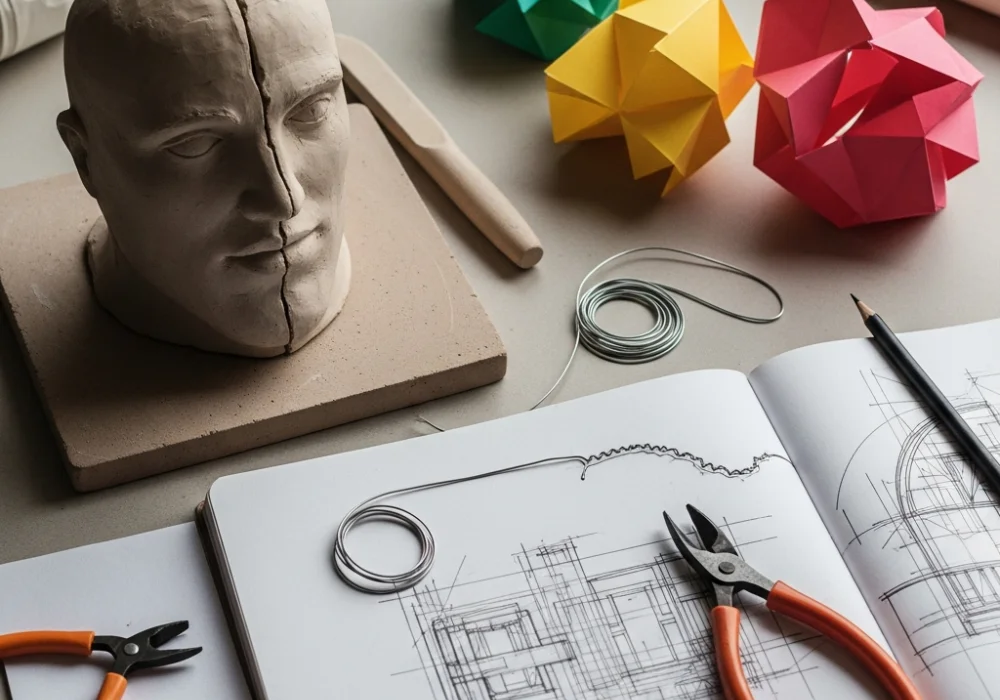
To excel in the upcoming exams, one must focus on the multi-dimensional aspects of the Studio Test. Unlike the written paper, this stage is hands-on. The evaluators are looking for innovation, neatness, and the functional logic behind your designs. Strategic preparation involves mastering various mediums including clay, wire, paper, and scrap materials. At myentrance.in, our mock tests are specifically curated to simulate these real-world design challenges, ensuring you are never caught off guard.
Visualization and Material Handling
Visualization is the ability to see a finished product in your mind before you even touch the material. In the NID Studio Test, you might be asked to create a model that represents a specific emotion or a functional solution for a daily problem. Mastering material manipulation—whether it is folding paper to create structural integrity or using wire to represent fluid motion—is critical. Practice regularly with diverse materials to understand their limitations and strengths.
NID DAT Prelims vs. NID Studio Test: A Comparison
Understanding the shift in expectations between the two rounds is vital for a strategic approach. The following table highlights the key differences:
| Feature | NID DAT Prelims | NID Studio Test (Mains) |
|---|---|---|
| Format | Pen and Paper Based | Hands-on / Practical |
| Focus Area | Aptitude, Sketching, Theory | Modeling, Material Handling, Observation |
| Time Pressure | High (Multiple Questions) | Very High (Intricate Task) |
| Evaluation Metric | Creativity on Paper | 3D Visualization and Logic |
| Material Usage | Dry Media (Pencils, Pens) | Mixed Media (Clay, Wire, Boards) |
Top Strategies for 3D Modeling and Design
- Concept First: Never start building immediately. Spend the first 5-10 minutes sketching your idea and planning the construction.
- Structural Integrity: Your model must stand on its own. Understand basic physics and joinery techniques to ensure stability.
- Cleanliness Matters: Use glue and cutters precisely. A messy model suggests a lack of discipline and poor craftsmanship.
- Time Management: The Studio Test is notoriously short on time. Practice with the latest pattern mock tests on myentrance.in to improve your speed.
- Sensory Awareness: Be prepared for audio-visual tests where you might need to identify sounds or complete a narrative based on a short clip.
The Importance of Observation and Sketching
Even though the Studio Test focuses on physical models, sketching remains a foundational skill. You may be asked to document your process or provide a storyboard for your model. Developing a keen eye for detail in your surroundings—noticing the texture of a leaf or the mechanics of a door hinge—can provide the inspiration needed for top-tier design solutions.
Why Mock Tests are Non-Negotiable
Theoretical knowledge can only take you so far. The NID Studio Test is an experiential exam. By engaging with the comprehensive mock tests available on myentrance.in, candidates gain exposure to the types of prompts used in previous years and the latest exam cycles. These tests help in building the muscle memory required for quick material manipulation and foster the creative confidence needed to stand out among thousands of applicants.
Frequently Asked Questions (FAQ)
What is the NID Studio Test?
The NID Studio Test is the second stage of the NID entrance process (Mains), where shortlisted candidates perform hands-on tasks like model making, material handling, and observation tests.
Is sketching required in the Studio Test?
Yes, sketching is often required to explain your 3D model, create storyboards, or participate in rapid visualization tasks.
How can I practice for the NID Studio Test at home?
You can practice by using everyday materials like newspapers, clay, straws, and wire. Additionally, solving the specialized mock tests on myentrance.in will give you a competitive edge.
What materials are provided in the NID Studio Test?
The materials vary but typically include clay, copper wire, mount board, colored paper, glue, and basic tools. Candidates are usually not allowed to bring their own materials.
Does the NID Studio Test include an interview?
While the Studio Test is the primary focus of the Mains, some departments or specific disciplines may include a personal interview or portfolio review as part of the final evaluation.





