
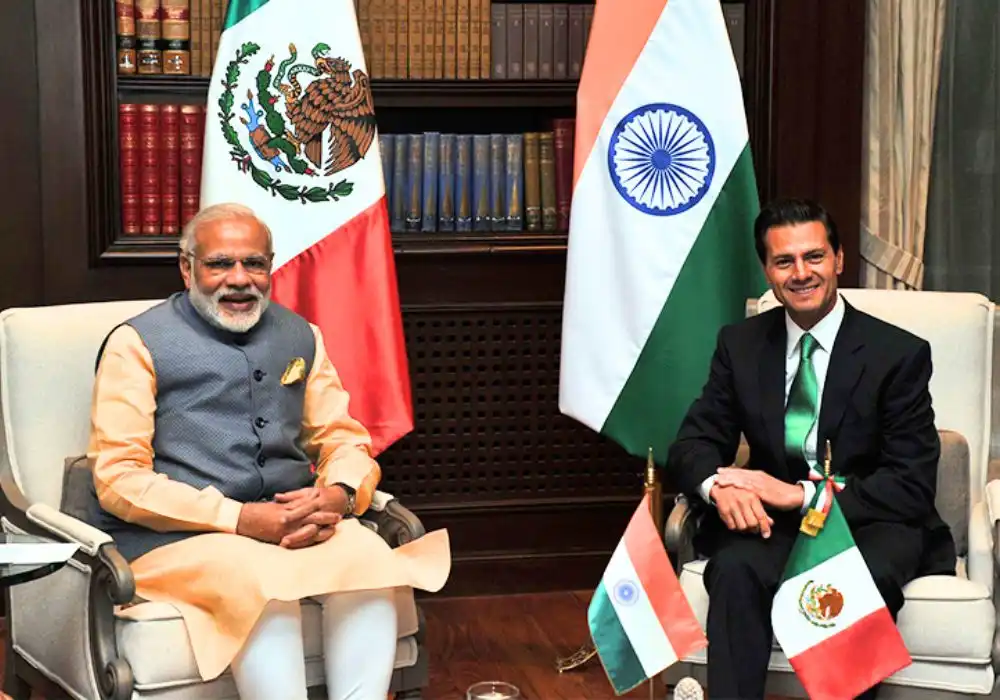
Understanding global dynamics is absolutely crucial for anyone aspiring to ace competitive examinations like UPSC, SSC, PSC, or various government service entrance tests. Current affairs, especially in international relations, often form a significant part of your general knowledge section. One such evolving and increasingly important partnership is the relationship between India and Mexico. As these two vibrant democracies approach a significant milestone, their deepening ties present a fascinating case study in modern diplomacy and a key area of focus for your exam preparation. A great strategy is to build a strong foundation in static gk early in your preparation.
The Enduring Legacy: 75 Years of India-Mexico Friendship
When we talk about the relationship between India and Mexico, we are discussing a bond that stretches back nearly three-quarters of a century. By 2025, both nations will proudly mark 75 years of formal diplomatic relations, a journey historically characterized by a profound “humanistic orientation.” This means their interactions have always been rooted in shared values like democracy, mutual respect, and a commitment to humanitarian principles, rather than just transactional exchanges. Both countries have a rich history, diverse cultures, and a similar outlook on many global challenges, making their friendship a natural fit. This strong foundation of shared values and mutual benefit has always propelled their partnership forward, making it a reliable force in the international arena.
Elevating the Bond: What a Strategic Partnership Means
Now, as the global landscape rapidly shifts and new geopolitical realignments emerge, India and Mexico are not just reminiscing about their past; they are actively working to elevate their historically strong ties to a “Strategic Partnership.” But what exactly does a Strategic Partnership entail? In simple terms, it signifies a much deeper, broader, and more sustained level of cooperation across various sectors. It moves beyond traditional diplomatic exchanges to include enhanced collaboration in areas like defense, security, advanced technology, intelligence sharing, and concerted efforts on global issues. This upgrade reflects a mutual recognition of each other’s growing influence and importance on the world stage, and a shared vision for contributing to a more stable and prosperous international order. The objective is to solidify their alliance, allowing them to collectively address complex global challenges and capitalize on new opportunities.
Key Pillars of Collaboration: From Trade to Global Governance
The collaboration between India and Mexico extends across a wide spectrum, impacting various aspects of their national lives and global standing. Economically, both nations are emerging markets with significant potential, leading to growing trade and investment opportunities. From pharmaceuticals and automobiles to IT services and agricultural products, the exchange of goods and services is steadily expanding. Beyond economics, there’s a vibrant cultural exchange, with people-to-people connections flourishing through education, arts, and tourism.
Furthermore, both countries are actively collaborating in crucial multilateral forums. Whether it’s advocating for reforms at the United Nations, addressing climate change, or promoting South-South cooperation, India and Mexico often find common ground. This joint advocacy strengthens their collective voice on issues of global importance, ensuring that the perspectives of developing nations are heard and considered in international decision-making processes. Their scientific and technological cooperation, particularly in areas like space research and renewable energy, also holds immense promise for future advancements.
Why This Matters for India and Your Exam Preparation
For India, a robust partnership with Mexico offers strategic advantages. It diversifies India’s economic ties, opens new markets in Latin America, and strengthens its position as a global player. Collaborating with Mexico, a prominent voice in Latin America, enhances India’s diplomatic reach and influence, especially in promoting its vision for a multipolar world.
For you, the aspiring competitive exam candidate, understanding this evolving relationship is critical. It’s not merely a piece of news; it’s a living example of international relations principles in action. You should be prepared to discuss:
* Current Affairs: Key developments, recent visits, and signed agreements between the two nations.
* International Relations: The significance of South-South cooperation, the concept of a strategic partnership, and India’s foreign policy objectives.
* Static General Knowledge: The geography, key industries, and cultural aspects of both countries, as well as their roles in international organizations like the G20.
* Essay Writing: Analyze the potential and challenges of such bilateral ties.
This topic encapsulates the interconnectedness of our world and provides rich material for analytical questions in your examinations. Bookmark this page for the latest gk updates for competitive exams.
Frequently Asked Questions (FAQs)
1. What does the term “humanistic orientation” signify in the context of India-Mexico relations?
The “humanistic orientation” means that the relationship between India and Mexico has historically been built on shared values like democracy, human rights, and a focus on cultural and people-to-people ties, rather than solely on economic or political interests. It emphasizes mutual respect and common principles.
2. When are India and Mexico celebrating a significant milestone in their diplomatic ties?
India and Mexico are set to celebrate 75 years of diplomatic relations in 2025, marking a long-standing and evolving partnership between the two nations.
3. Why is the India-Mexico relationship gaining renewed significance in the current global order?
The relationship is gaining renewed significance due to a rapidly shifting global order where both countries, as prominent emerging economies and democracies, see mutual benefit in deepening cooperation. This allows them to collectively address global challenges and enhance their influence on the world stage.
4. What are some of the key areas where India and Mexico are currently collaborating?
India and Mexico are collaborating across various sectors including trade and investment, cultural exchange, scientific and technological cooperation, and coordination in multilateral forums like the United Nations and G20, advocating for shared interests and global stability.
5. How is the India-Mexico relationship relevant for my competitive exam preparation?
This topic is highly relevant for competitive exams as it falls under current affairs, international relations (for UPSC/PSC), and general awareness (for SSC/other government exams). Questions could cover the historical context, the concept of strategic partnerships, key areas of cooperation, and the strategic implications for India’s foreign policy.





