
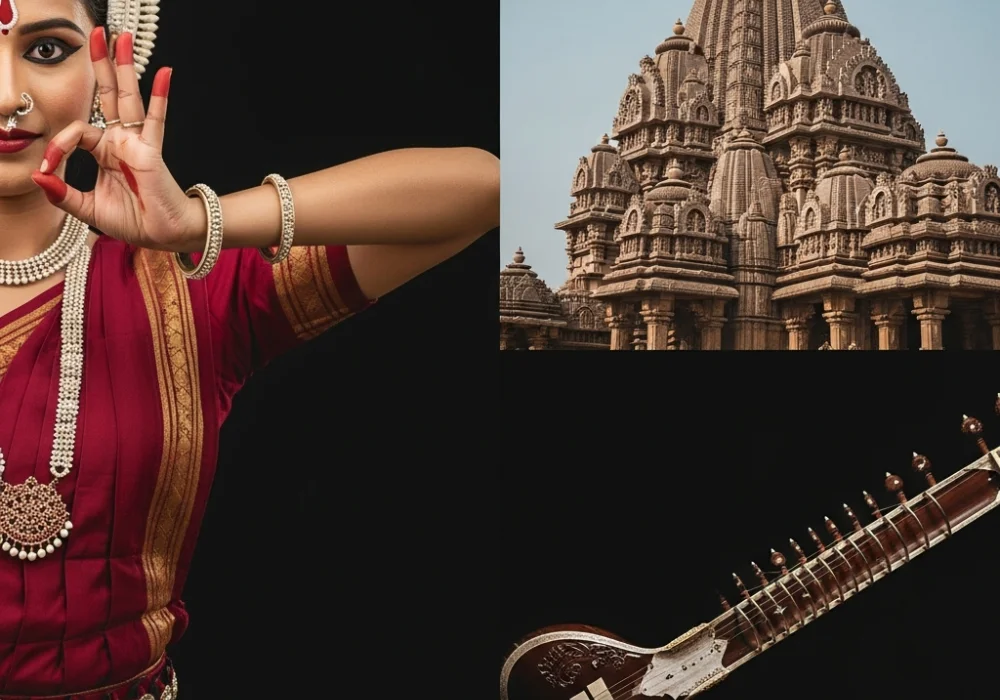
The Evolution of General Awareness in SSC CGL
In recent years, the Staff Selection Commission (SSC) has significantly shifted the landscape of its Combined Graduate Level (CGL) examination. One of the most notable changes is the increased weightage given to Art and Culture within the General Awareness section. Earlier, aspirants could secure high marks by focusing primarily on History, Polity, and Geography. However, the latest pattern demands a deep dive into the cultural heritage of India. Mastering this section is no longer optional; it is a prerequisite for achieving a top rank.
Understanding this shift requires a strategic approach. Candidates often find Art and Culture daunting because of its vastness and the factual nature of the questions. By analyzing current trends, we can see that the commission is moving toward more specific, application-based questions rather than just surface-level facts. To help you navigate this transition, we have compiled an exhaustive guide to mastering Art and Culture for upcoming exams.
Why Art and Culture Matters in the Current Syllabus
General Awareness often acts as the ‘make or break’ section in the SSC CGL Tier I and Tier II exams. While Quant and Reasoning test your analytical skills, General Awareness tests your memory and awareness of the world around you. The recent emphasis on Indian heritage reflects a desire for civil servants who are well-versed in the nation’s diverse traditions. Practicing with specialized mock tests on myentrance.in can help you identify the exact types of questions being asked in this evolving segment.
Key Focus Areas in Art and Culture
Based on the latest pattern shifts, here are the high-yield topics you must prioritize:
- Classical and Folk Dances: Not just the names, but the states of origin, the famous exponents, and the instruments used.
- Indian Music: Focus on Hindustani and Carnatic music, various Gharanas, and prominent musicians.
- Architecture: Temple architecture (Nagara, Dravida, and Vesara styles), Mughal architecture, and UNESCO World Heritage Sites.
- Festivals and Fairs: Regional festivals, tribal fairs, and their significance.
- Literature and Paintings: Ancient texts, medieval court chronicles, and various schools of painting like Madhubani, Pattachitra, and Pahari.
Comparative Analysis: Weightage Shifts
The following table illustrates the approximate shift in question distribution within the General Awareness section over recent exam cycles:
| Topic | Previous Pattern Weightage | Latest Pattern Weightage |
|---|---|---|
| Ancient & Medieval History | 15% – 20% | 10% – 12% |
| Modern History | 25% – 30% | 15% – 20% |
| Art and Culture | 5% – 8% | 20% – 25% |
| Polity and Economics | 25% | 20% |
| General Science | 20% | 25% |
As evident from the table, Art and Culture has seen nearly a three-fold increase in importance. This makes it imperative to integrate this subject into your daily study schedule.
Effective Strategies to Tackle Art and Culture
1. Visual Learning and Mnemonics
Art and Culture is a visual subject. Instead of just reading about the Sun Temple at Konark, look at its images and understand its architectural nuances. Use mnemonics to remember the eight classical dances and their respective states. For example, ‘Katha in the North’ (Kathak – North India) can be a simple way to recall origins.
2. Focus on Personality-Based Questions
Recent exams have shown a trend of asking about specific artists who have received national awards like the Padma Shri or Sangeet Natak Akademi Award. Keep a list of famous dancers, vocalists, and instrumentalists. Knowing which instrument Zakir Hussain or Hariprasad Chaurasia plays is now a fundamental requirement.
3. Relate Culture with Current Affairs
Often, a question about a specific festival or monument is triggered by a recent news event. If a site is newly added to the UNESCO list or if a famous artist passes away, that topic becomes a prime candidate for the next exam. Always bridge your static knowledge with current events.
4. Consistent Practice with Targeted Mock Tests
Reading theory is only half the battle. You must test your retention through rigorous practice. The mock tests available on myentrance.in are designed specifically to reflect these recent pattern shifts. They offer a diverse range of questions on Art and Culture, ensuring you aren’t caught off guard on the actual exam day.
Deep Dive into Architecture and Temples
Architecture is a pillar of the Art and Culture syllabus. You should be able to distinguish between the following styles:
- Nagara Style: Prevalent in North India, characterized by a curvilinear tower (Shikhara).
- Dravida Style: Found in South India, known for its pyramid-like towers (Vimana) and large entry gateways (Gopurams).
- Vesara Style: A hybrid of Nagara and Dravida styles, commonly found in the Deccan region.
Understanding these distinctions helps in eliminating options in multiple-choice questions effectively.
The Importance of Revision
The sheer volume of names, dates, and places in Art and Culture can lead to confusion. Create a ‘Revision Map’ or short notes that you can glance through every weekend. Focus on the ‘Gharanas’ of music one week and ‘Tribal Dances’ the next. Systematic revision is the only way to ensure that the facts stick until the exam day.
Conclusion
Navigating the latest pattern shifts in SSC CGL requires adaptability. The rise of Art and Culture is an opportunity for diligent students to gain a competitive edge. By focusing on high-yield topics, utilizing visual learning, and practicing with quality resources like myentrance.in, you can turn this challenging section into your strongest asset. Stay consistent, stay updated, and keep practicing.
Frequently Asked Questions (FAQ)
Which are the most important classical dances for SSC CGL?
The eight recognized classical dances are Bharatnatyam (Tamil Nadu), Kathak (North India), Kathakali (Kerala), Kuchipudi (Andhra Pradesh), Odissi (Odisha), Manipuri (Manipur), Mohiniyattam (Kerala), and Sattriya (Assam). You should also know the famous exponents of each.
How many questions can I expect from Art and Culture in the current pattern?
In the latest Tier I and Tier II exams, candidates can expect anywhere from 4 to 6 questions specifically dedicated to Art and Culture within the General Awareness section.
Are the mock tests on myentrance.in updated for the latest pattern?
Yes, all mock tests on myentrance.in are regularly updated to reflect the latest trends and shifts in the SSC CGL examination, including the increased focus on Art and Culture.
Should I study Art and Culture from NCERT books?
NCERT Class XI ‘An Introduction to Indian Art’ is an excellent foundational resource. Supplementing it with current affairs and targeted practice sets is highly recommended for the best results.
What is a ‘Gharana’ in Indian Classical Music?
A ‘Gharana’ is a system of social organization linking musicians or dancers by lineage or apprenticeship, and by adherence to a particular musical style. Knowing the major Gharanas (like Gwalior, Kirana, or Jaipur-Atrauli) is important for the latest SSC exams.





