
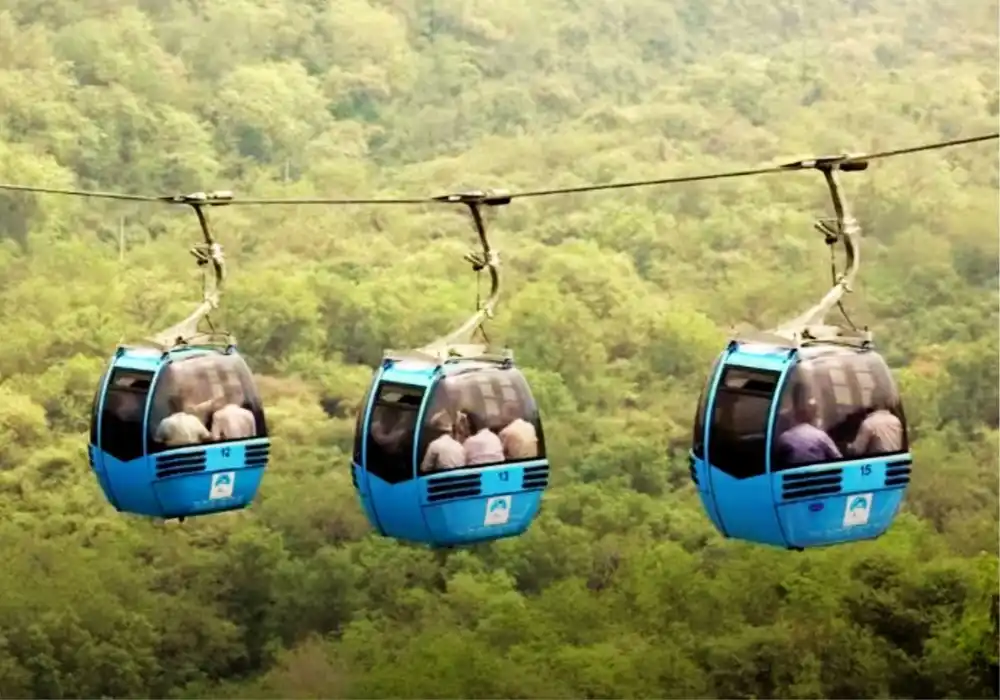
The revered Sabarimala hill shrine, nestled deep within Kerala’s ecologically sensitive Western Ghats, is at the heart of a significant development proposal: a state-of-the-art ropeway project. While promising enhanced accessibility and convenience for millions of pilgrims, this ambitious plan necessitates a rigorous environmental evaluation. Understanding this delicate balance between modern infrastructure and ecological preservation is not just a current affair, but a vital component for aspirants preparing for examinations like UPSC, SSC, and various PSCs, where environmental governance and sustainable development are key themes.
The Sabarimala Ropeway Project: Bridging Accessibility and Conservation Concerns
What is the Sabarimala Ropeway Project?
The proposed Sabarimala ropeway aims to revolutionize the arduous journey to the iconic Lord Ayyappan Temple. Designed to connect a base station to the hill shrine, this project seeks to significantly cut down travel time and reduce the physical strain on pilgrims, especially the elderly and those with health challenges. It represents a modern solution to an age-old pilgrimage route, enhancing pilgrim comfort and potentially managing crowd flow more efficiently.
Why is this project being considered?
The primary objective behind the ropeway initiative is to enhance pilgrim experience and safety. Currently, pilgrims undertake a demanding trek through hilly terrain, which can be particularly challenging during peak seasons. A ropeway would offer a quicker, safer, and less strenuous alternative, aligning with the broader goal of improving infrastructure for religious tourism in a responsible manner. However, this convenience must be weighed against its environmental footprint, a crucial aspect examined by central authorities.
Where is the project located, and why is the location critical?
The project is situated in the vicinity of the Sabarimala hill shrine in Pathanamthitta district, Kerala. This region is not merely a place of worship but also a vital part of the Western Ghats, a UNESCO World Heritage Site renowned for its exceptional biodiversity and status as one of the world’s eight “hottest” biodiversity hotspots. The surrounding forests are home to diverse flora and fauna, including endangered species, and play a crucial role in regulating regional climate and water cycles. Any large-scale construction here, therefore, immediately triggers stringent environmental scrutiny due to its potential impact on this fragile ecosystem.
Decoding the Environmental Impact Assessment (EIA) for Sensitive Zones
What is an Environmental Impact Assessment (EIA)?
An Environmental Impact Assessment (EIA) is a systematic process mandated by law to evaluate the likely environmental impacts of a proposed project or development. Its purpose is to ensure that development projects are environmentally sound and sustainable. For projects like the Sabarimala ropeway, an EIA is not just a formality; it’s a critical tool for predicting environmental consequences, identifying mitigation measures, and informing decision-making to prevent irreversible ecological damage.
Who conducts this crucial assessment?
In the case of the Sabarimala ropeway, a specialized Central team has been deployed. This team typically comprises experts from the Ministry of Environment, Forest and Climate Change (MoEFCC), which is the apex governmental body responsible for environmental policy and regulation in India. Crucially, it also includes specialists from institutions like the Wildlife Institute of India (WII), a premier autonomous institution under the MoEFCC dedicated to wildlife research and management. Their collective expertise ensures a thorough and unbiased evaluation of both ecological and social impacts.
How is the assessment conducted in practice?
The Central team undertakes a multi-faceted approach. This involves extensive site visits to the proposed project areas and their surroundings to observe the existing environmental conditions firsthand. They assess forest cover, identify ecologically sensitive zones, study wildlife corridors, evaluate potential impacts on water bodies, and analyze the biodiversity of the region. Data collection includes examining flora and fauna, understanding local hydrological patterns, and considering the socio-economic implications for communities living near the project site. The findings from this assessment will form the basis for recommendations on whether the project can proceed, and if so, under what conditions to minimize its environmental footprint.
The Path Forward: Balancing Development with Ecological Integrity
The Sabarimala ropeway project exemplifies the ongoing national challenge of balancing infrastructure development with environmental conservation, a recurring theme in public administration and policy discussions vital for competitive exams. The detailed environmental impact assessment by a Central team signifies the government’s commitment to adhering to environmental norms, especially in eco-sensitive regions. The outcome of this assessment will not only determine the future of the ropeway but also set a precedent for similar infrastructure projects planned in India’s diverse and often fragile landscapes. Aspiring civil servants must understand these complex interdependencies and the institutional mechanisms in place to navigate such challenges, ensuring development proceeds sustainably without compromising our natural heritage.
Frequently Asked Questions (FAQs)
Q1: What is the primary purpose of the proposed Sabarimala Ropeway Project?
A1: The main objective of the Sabarimala Ropeway Project is to enhance pilgrim convenience and accessibility to the revered Sabarimala hill shrine, providing a quicker and less strenuous alternative to the traditional trek, especially beneficial for elderly and differently-abled devotees.
Q2: Which government bodies are involved in assessing the environmental impact of the ropeway project?
A2: A Central team, including officials from the Ministry of Environment, Forest and Climate Change (MoEFCC) and experts from the Wildlife Institute of India (WII), is conducting the environmental impact assessment.
Q3: Why is the environmental assessment particularly crucial for a project near Sabarimala?
A3: The Sabarimala region is located within the highly sensitive ecosystem of the Western Ghats, a UNESCO World Heritage Site and a global biodiversity hotspot. The assessment is crucial to ensure that the project does not cause irreversible damage to the region’s rich flora, fauna, and overall ecological balance.
Q4: What specific aspects does an Environmental Impact Assessment (EIA) typically cover for such infrastructure projects?
A4: An EIA generally covers potential impacts on biodiversity (flora and fauna), forest cover, water resources, air quality, soil stability, wildlife corridors, and the socio-economic well-being of local communities. It also identifies mitigation measures to minimize adverse effects.
Q5: How does this project and its assessment relate to topics covered in competitive examinations like UPSC or SSC?
A5: This project is highly relevant as it touches upon critical subjects such as environmental governance, sustainable development, infrastructure planning, current affairs, the role of government ministries (MoEFCC), and the importance of ecological preservation, all of which are frequently tested in various competitive examinations.





