
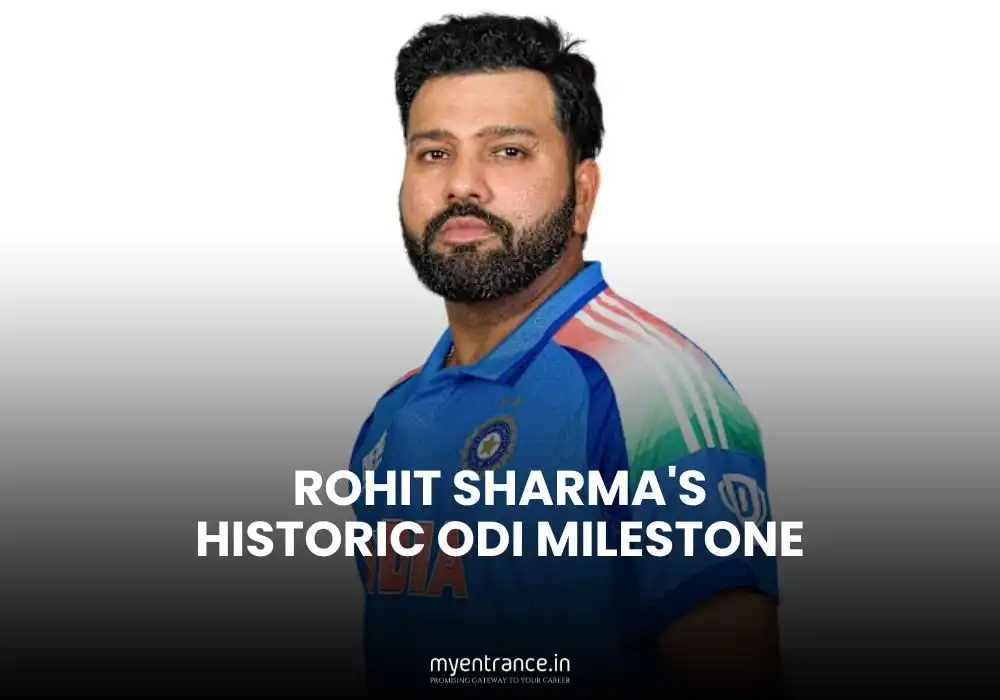
For aspirants preparing for rigorous competitive examinations like UPSC, SSC, PSC, NID, NIFT, and other government recruitment tests, every significant national and international event holds potential as a current affairs or general knowledge question. The world of sports, often seen as a mere distraction, frequently provides crucial data points that can make a difference in your final score. One such recent development that deserves your focused attention is the remarkable achievement by Indian cricket captain, Rohit Sharma.
The Milestone Unpacked: A Record That Resonates
Recently, in a display of consistent excellence and masterful batting, Rohit Sharma surpassed the legendary Sourav Ganguly to become the third-highest run-scorer for India in One Day Internationals (ODIs). This isn’t just a fleeting headline; it’s a moment that redefines records within Indian cricket and offers a prime example of the kind of information you should be tracking for your exams. This significant feat highlights his enduring impact on the sport and places him firmly among the pantheon of Indian cricketing greats. Understanding the context of such achievements – the player, the format, the record broken, and the previous record holder – is crucial for anyone aiming to ace the General Awareness sections of competitive exams.
Joining the Elite: India’s Top ODI Run-Scorers
When a player climbs a list of this magnitude, it’s not enough to simply note the new position. Competitive exams often test your ability to place such events within a broader historical context. Rohit Sharma now stands behind only two colossal figures in Indian ODI cricket history: Sachin Tendulkar, widely regarded as the ‘God of Cricket’ for his unparalleled records, and Virat Kohli, another modern-day legend known for his incredible consistency and run-scoring prowess. This elite trio represents the pinnacle of Indian batting in the 50-over format. Knowing the top contenders in such categories is a classic static general knowledge question waiting to be asked, often in match-the-following or direct recall formats in exams like SSC CGL or UPSC Prelims.
Why This Matters for Your Competitive Exams
You might wonder why a cricket record should concern you when your focus is on public administration or logical reasoning. The answer lies in the multifaceted nature of competitive exams. Current affairs are designed to test your awareness of ongoing events, both nationally and globally. Sports achievements, especially those involving national figures or setting new records, are a consistent feature in these sections. Beyond current affairs, such events can morph into static general knowledge. For instance, questions might arise about the career statistics of past captains, the history of ODI cricket, or famous venues where such records were broken. Exams like the UPSC often delve into the socio-economic impact of sports, making awareness of prominent sporting figures and their achievements even more relevant. Furthermore, tracking records cultivates a habit of data retention and contextual understanding, skills that are transferable to various other exam topics.
Mastering Sports Current Affairs: Your Strategy for Success
To effectively leverage news like Rohit Sharma’s record for your exam preparation, adopt a strategic approach. Firstly, identify the key individuals involved (Rohit Sharma, Sourav Ganguly, Sachin Tendulkar, Virat Kohli). Secondly, note the specific achievement (3rd highest run-scorer in ODIs for India). Thirdly, understand the context (ODI format, Indian team, date of achievement if significant). Finally, place it within a broader historical perspective (who are the top 5, what other records do these players hold?). Regularly engaging with daily news quizzes, like those offered on myentrance.in, and meticulously reviewing current affairs summaries will help solidify this knowledge. Develop the habit of connecting new information to existing knowledge frameworks. For example, when you read about Rohit Sharma, recall other key Indian cricketers and their notable achievements. This interconnected learning approach will ensure you’re not just memorizing facts, but truly understanding their significance, preparing you for both direct and analytical questions.
Frequently Asked Questions (FAQs)
Q1: What specific record did Rohit Sharma recently achieve in One Day Internationals (ODIs)?
A1: Rohit Sharma recently surpassed Sourav Ganguly to become the third-highest run-scorer for India in One Day Internationals.
Q2: Who are the top two Indian cricketers with the most ODI runs, ahead of Rohit Sharma?
A2: The top two Indian cricketers with the most ODI runs are Sachin Tendulkar, followed by Virat Kohli.
Q3: Why is tracking sports news, like Rohit Sharma’s record, important for competitive exam aspirants?
A3: Such news forms a vital part of the current affairs section, testing your general awareness of significant national achievements. It can also lead to static general knowledge questions about sports history, famous players, and records, which are common in exams like SSC, UPSC, and PSC.
Q4: Which sections of competitive exams are most likely to feature questions related to such sports achievements?
A4: Questions related to sports achievements primarily appear in the General Awareness, Current Affairs, and General Knowledge sections of various competitive examinations.
Q5: How can aspirants effectively incorporate sports-related current affairs into their study routine for better retention?
A5: Aspirants should make it a habit to regularly follow reliable news sources, participate in daily news quizzes, note down key facts (player, achievement, context, previous record holder), and connect new information to existing knowledge to build a comprehensive understanding, rather than just isolated facts.





