Translate Language
Pradhan Mantri Gram Sadak Yojana (PMGSY) – Connecting Rural India with Roads
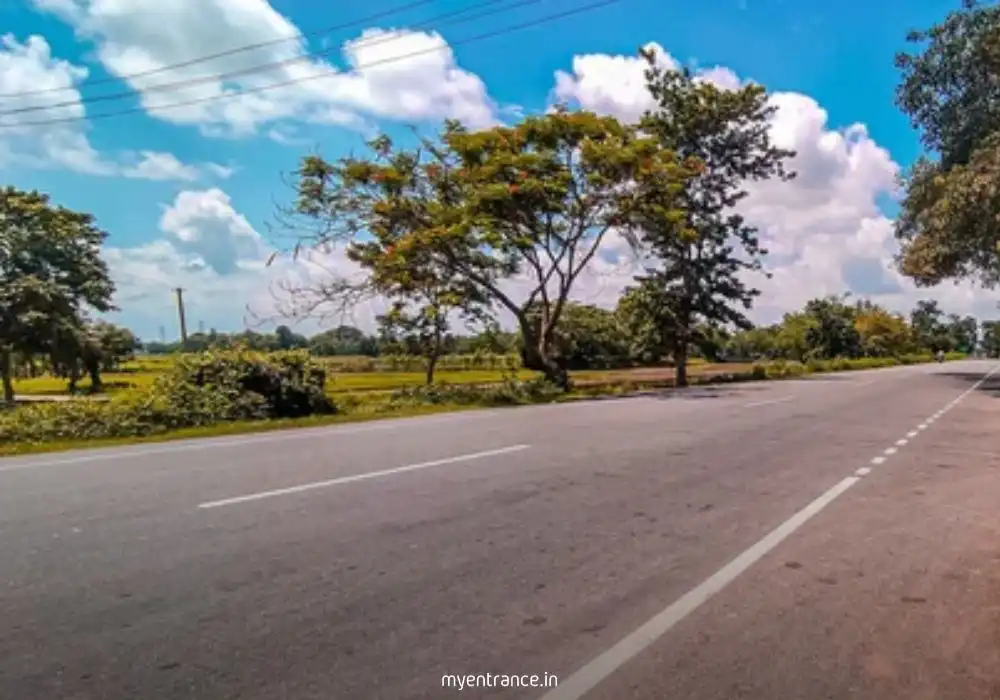
The Pradhan Mantri Gram Sadak Yojana (PMGSY) is one of the most significant rural development schemes launched by the Government of India in December 2000. The primary goal of the scheme is to provide all-weather road connectivity to eligible and unconnected habitations in rural areas. Over the years, the scheme has expanded through new phases and verticals to not only provide connectivity but also upgrade and consolidate rural roads, thereby strengthening infrastructure and boosting rural economic activities.
Questions and Answers on Pradhan Mantri Gram Sadak Yojana (PMGSY)
Q1. When was the Pradhan Mantri Gram Sadak Yojana (PMGSY) launched and what is its main objective?
A1. PMGSY was launched in December 2000 with the primary objective of providing all-weather road connectivity to unconnected rural habitations. This improves access to schools, hospitals, markets, and social services, thereby enhancing the overall quality of life in rural India.
Q2. What are the key components of PMGSY-II?
A2. PMGSY-II, launched in 2013, focuses on upgrading existing rural roads. Its aim is to improve the durability and strength of the road network, thereby enhancing rural infrastructure and facilitating better connectivity.
Q3. What is RCPLWEA and why was it introduced?
A3. The Road Connectivity Project for Left Wing Extremism Affected Areas (RCPLWEA) was launched in 2016 to improve road connectivity in 44 worst-affected districts and adjoining districts across 9 states. The scheme has dual objectives: enabling security forces to conduct anti-LWE operations more effectively and fostering socio-economic development in these areas.
Q4. What is the objective of PMGSY-III?
A4. PMGSY-III, launched in 2019, seeks to consolidate through routes and major rural links. It aims to upgrade 1.25 lakh km of rural roads, especially those connecting Gramin Agricultural Markets (GrAMs), higher secondary schools, and hospitals.
Q5. How much road length has been sanctioned and constructed under PMGSY till August 2025?
A5. As of 13th August 2025, a total of 8,38,592 km of road length has been sanctioned for construction, out of which 7,83,795 km has already been completed, including projects using new and green technologies.
Q6. What is the deadline for completion of ongoing projects under PMGSY-I, II, RCPLWEA, and III?
A6. The deadline for completion of ongoing works under PMGSY-I (only in Chhattisgarh), PMGSY-II, RCPLWEA, and PMGSY-III is 31st March 2026. For other projects, the timeline was set to March 2025.
Q7. What are the key features of PMGSY-IV approved in September 2024?
A7. PMGSY-IV, approved by the Union Cabinet on 11th September 2024, aims to provide new connectivity to 25,000 unconnected habitations that have become eligible due to population growth. It proposes the construction of 62,500 km of new rural roads at a cost of ₹70,125 crore during the period 2024-25 to 2028-29.
Q8. Which states are covered under RCPLWEA?
A8. RCPLWEA covers districts in 9 states affected by Left Wing Extremism: Andhra Pradesh, Bihar, Chhattisgarh, Jharkhand, Madhya Pradesh, Maharashtra, Odisha, Telangana, and Uttar Pradesh.
Q9. How does PMGSY contribute to rural development apart from road connectivity?
A9. PMGSY enhances rural development by improving access to education, healthcare, and markets. It facilitates employment opportunities, boosts trade and agricultural activities, and reduces migration by improving the quality of life in rural areas.
Q10. Why is PMGSY considered significant for India’s inclusive growth?
A10. PMGSY is significant because rural roads are a lifeline for villages. By ensuring last-mile connectivity, the scheme bridges the urban-rural divide, promotes social equity, supports economic development, and strengthens national integration.
The Pradhan Mantri Gram Sadak Yojana (PMGSY) is a transformative initiative aimed at ensuring rural connectivity across India. From its inception in 2000 to the upcoming PMGSY-IV, the scheme has continuously evolved to meet the changing needs of rural populations. By constructing lakhs of kilometers of all-weather roads, PMGSY has not only strengthened India’s rural infrastructure but also contributed to social and economic empowerment. For aspirants of UPSC, SSC, PSC, and other competitive exams, understanding the different phases of PMGSY is crucial for current affairs and general studies preparation.
Read More Topics