
India is embarking on a significant journey to modernize its energy infrastructure, a move critical for both national development and the daily lives of its citizens. At the heart of this transformation lies the ambitious nationwide rollout of smart electricity meters. This initiative is more than just a technological upgrade; it’s a strategic shift designed to enhance efficiency, empower consumers, and strengthen the nation’s power distribution system. For aspirants preparing for competitive examinations like UPSC, SSC, PSC, NID, NIFT, and other government roles, understanding this “smart meter revolution” is vital, as it intertwines with current affairs, general knowledge, and government policy.
What Exactly Are Smart Electricity Meters?
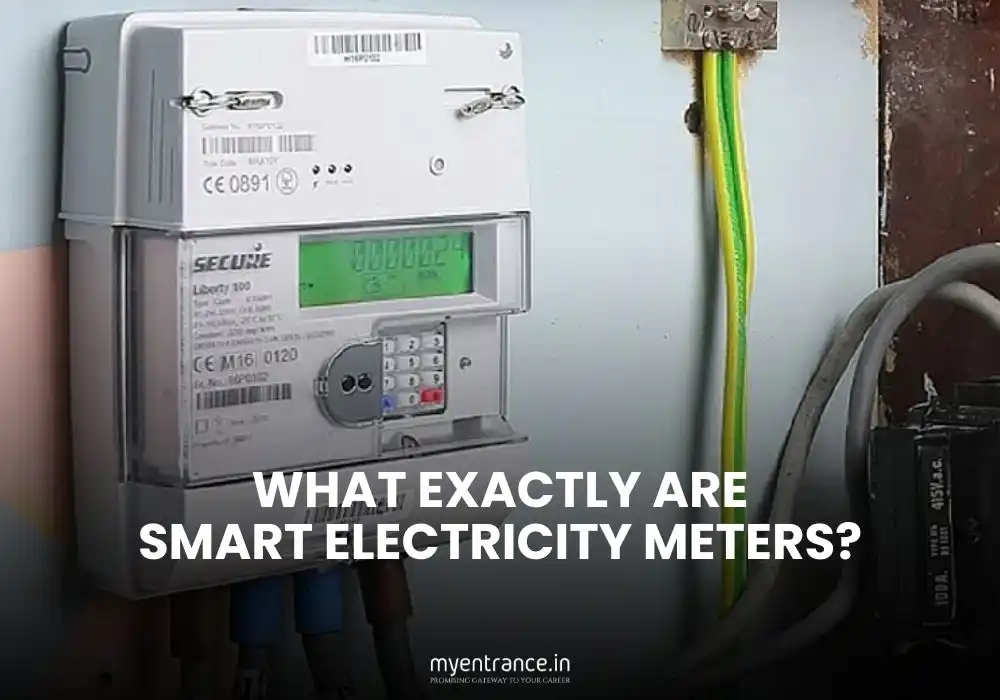
A smart electricity meter is essentially an advanced digital device that does much more than just measure your electricity consumption. Unlike traditional analog meters, these intelligent systems facilitate two-way communication between the consumer and the utility provider. This means they can send real-time data on electricity usage directly to the distribution companies (DISCOMs) and also receive information, such as tariff updates or load management instructions. They are equipped with advanced functionalities like remote monitoring, tamper detection, and even pre-paid billing options, bringing unprecedented transparency and control to electricity consumption.
The Driving Force: Why India Needs Smart Meters
The push for smart meter installation is underpinned by several critical objectives. Primarily, these meters are designed to address long-standing consumer grievances related to inaccurate billing and estimated readings, providing precise consumption data that fosters trust and clarity. From the utility’s perspective, they are a powerful tool to significantly reduce Aggregate Technical and Commercial (AT&C) losses, which include power theft and inefficiencies in billing and collection. By enabling real-time monitoring, DISCOMs can quickly identify and resolve issues, manage peak loads more effectively, and ensure a more stable power supply. This enhanced operational efficiency ultimately translates into better financial health for the power sector, allowing for further investment in infrastructure and service improvement. Furthermore, smart meters support India’s broader digital transformation and sustainability goals by promoting conscious energy use and integrating with future smart grid technologies.
The Ambitious National Rollout: Who, When, and Where
The government has set an ambitious target to install 100 million smart electricity meters across the country. This significant undertaking is already underway, with a substantial number of meters having been successfully deployed. A senior government official, interacting with the media, highlighted this ambitious target, emphasizing the Union Energy Ministry’s commitment to modernizing the power sector. The initiative is not confined to specific regions but is a national program aimed at transforming electricity distribution across all states and union territories. The deployment is an ongoing process, with phases of installation progressively covering different areas to ensure widespread adoption and the realization of its multifaceted benefits.
Impact on India’s Energy Future and Your Exam Preparation
The widespread adoption of smart meters is a cornerstone of India’s vision for a resilient, efficient, and consumer-centric energy future. It promises to revolutionize how electricity is generated, distributed, and consumed, making the grid more robust and responsive to demands. For students, this topic is a goldmine for competitive exams. It frequently appears in current affairs sections, often testing knowledge on government schemes like the Revamped Distribution Sector Scheme (RDSS) which actively promotes smart metering. Furthermore, questions on energy infrastructure, sustainable development, digital governance, and economic reforms can draw heavily from the principles and objectives behind this initiative. Understanding the ‘why,’ ‘what,’ ‘how,’ and ‘where’ of smart meters will provide a comprehensive advantage in your general awareness and policy-related questions.
Frequently Asked Questions (FAQs)
1. What is the primary objective behind the installation of smart electricity meters in India?
The primary objective is to modernize India’s power distribution system by enhancing efficiency, reducing Aggregate Technical and Commercial (AT&C) losses (including power theft), ensuring accurate billing, and empowering consumers with real-time consumption data. This aims to improve the financial health of DISCOMs and provide a more reliable power supply.
2. How do smart meters differ from traditional electricity meters?
Smart meters differ significantly from traditional meters by offering two-way communication between the consumer and the utility. This enables real-time data exchange, remote monitoring, tamper detection, and the implementation of advanced features like pre-paid billing and time-of-day tariffs, which are not possible with conventional meters.
3. What is the national target set by the Indian government for smart electricity meter installation?
The Indian government has set an ambitious national target to install 100 million smart electricity meters across the country as part of its comprehensive plan to modernize the power sector.
4. How can smart meters benefit average electricity consumers?
Average electricity consumers benefit through accurate billing, elimination of estimated bills, access to real-time consumption data for better energy management, options for pre-paid services, and quicker resolution of power-related issues due to improved communication with utilities.
5. Which major government scheme supports and promotes the widespread deployment of smart meters in India?
The widespread deployment of smart meters in India is largely supported and promoted under the Revamped Distribution Sector Scheme (RDSS), an initiative aimed at improving the operational efficiencies and financial sustainability of DISCOMs.





