
myentrance.in is dedicated to empowering aspiring candidates for a myriad of competitive examinations, from UPSC to SSC, NID, and NIFT. Our meticulously curated resources delve into critical areas, and this comprehensive guide focuses on two pivotal pillars of India’s socio-economic development: domestic agricultural protection and the imperative of financial inclusion, crucial for excelling in UPSC GS Paper 3 and beyond. Understanding these interconnected themes with depth and nuance is paramount for achieving top ranks in government exams. Our daily current affairs compilation for UPSC is a key to success.
Safeguarding the Granary: India’s Agricultural Protection Imperatives
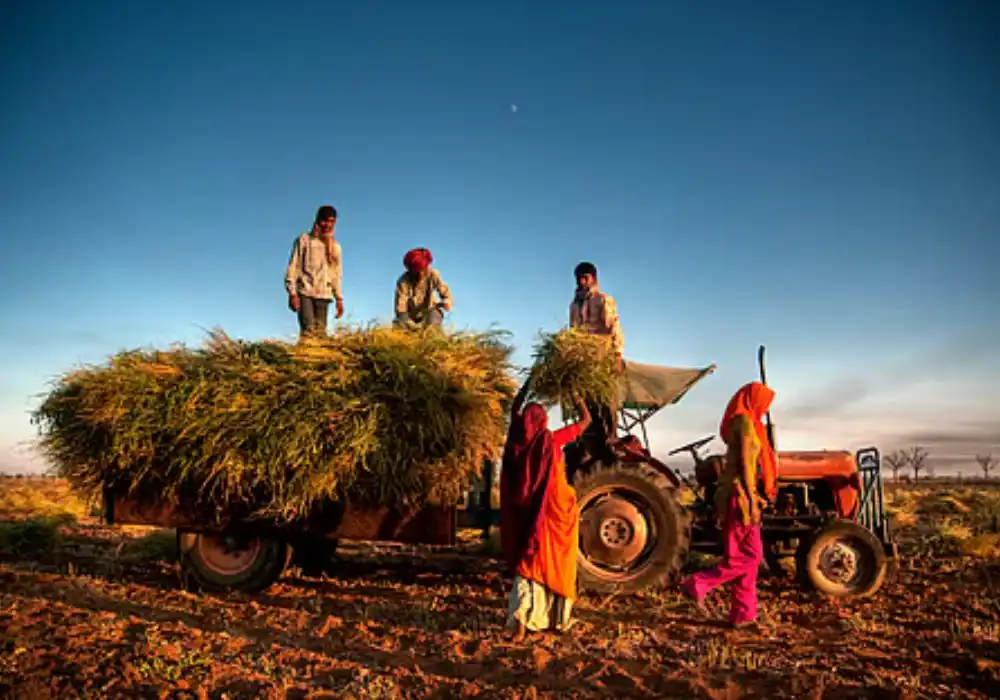
Agriculture remains the bedrock of the Indian economy, providing livelihoods to a significant portion of its population and ensuring national food security. Recognizing its vital role, the Indian government employs a range of domestic agricultural protection mechanisms designed to stabilize farmer incomes, ensure availability of essential commodities, and shield the sector from adverse market fluctuations. These instruments include the Minimum Support Price (MSP) regime for key crops, various input and output subsidies (like those for fertilizers, power, and irrigation), buffer stock operations to manage supply and demand, and public distribution systems (PDS) to ensure food access for the vulnerable. Furthermore, tariffs and non-tariff barriers are sometimes utilized to regulate imports and protect domestic farmers from cheaper international produce, while crop insurance schemes like PM Fasal Bima Yojana provide a safety net against yield losses.
While these protective measures are fundamental to sustaining the agricultural sector and preventing farmer distress, their effectiveness is often debated. Challenges arise from the fiscal burden they impose, potential market distortions, and issues related to their implementation and reach. The need for agricultural protection must also be viewed in the context of India’s international trade commitments, particularly under the World Trade Organization (WTO), which scrutinizes certain forms of subsidies and support. Therefore, a balanced approach that promotes sustainable agricultural practices, diversifies farmer income, and integrates farmers into efficient value chains is crucial for long-term growth and protection.
Empowering the Margins: The Journey Towards Financial Inclusion
Financial inclusion is more than merely providing access to banking services; it encompasses ensuring that individuals and businesses have access to useful and affordable financial products and services that meet their needs, including transactions, payments, savings, credit, and insurance. For a developing economy like India, financial inclusion is a powerful catalyst for poverty alleviation, entrepreneurship development, equitable economic growth, and social justice. It helps formalize the economy, brings the unbanked into the mainstream, and enables better implementation of social welfare schemes through direct benefit transfers (DBT).
India has made significant strides in this domain through ambitious initiatives such as the Pradhan Mantri Jan Dhan Yojana (PMJDY), which has rapidly expanded access to basic banking accounts. Schemes like MUDRA Yojana and Stand-Up India aim to provide credit to micro-entrepreneurs and marginalized sections, fostering self-employment. The ubiquitous adoption of digital payment platforms like UPI, coupled with Aadhaar-enabled Payment Systems (AEPS) and a robust network of Banking Correspondents (BCs), has revolutionized last-mile delivery of financial services, even in remote areas. However, persistent challenges remain, including digital literacy gaps, the urban-rural divide in infrastructure access, cybersecurity concerns, and the need to deepen financial literacy to ensure effective utilization of these services. Overcoming these hurdles is essential to move from mere access to meaningful financial empowerment. Prepare for current affairs sections by taking our daily current affairs quiz for UPSC and SSC.
The Synergy: Agriculture, Finance, and National Development
The objectives of agricultural protection and financial inclusion are deeply intertwined, each profoundly impacting the other and contributing to the broader goal of national development. Robust financial inclusion facilitates the delivery of agricultural credit to farmers, enabling them to invest in better inputs, technology, and farming practices. Crop insurance premiums become accessible, and claims can be disbursed efficiently through formal banking channels, providing crucial protection against unforeseen losses. Direct benefit transfers for agricultural support schemes like PM-KISAN are made possible and transparent due to widespread bank account ownership, minimizing leakages and ensuring timely support. Digital payments enable farmers to receive remunerative prices for their produce directly, bypass middlemen, and make seamless transactions for inputs, thereby reducing transaction costs and enhancing market access.
Conversely, a stable and productive agricultural sector, bolstered by protective measures, provides a stronger economic base for rural communities, increasing their capacity to save, invest, and utilize financial services. When farmers’ incomes are secure, their creditworthiness improves, making them more attractive clients for banks and other financial institutions. Thus, an integrated policy framework that considers both the specific needs of the agricultural sector and the broader financial empowerment of its stakeholders is vital for fostering sustainable rural development and inclusive economic growth.
Crafting Winning Answers for UPSC GS Paper 3
Excelling in UPSC GS Paper 3, which covers Indian Economy, Agriculture, Science & Technology, Environment, Security, and Disaster Management, demands a comprehensive and analytical approach. For topics like agricultural protection and financial inclusion, candidates must demonstrate an understanding that goes beyond mere definitions. It requires critical evaluation of government policies, an appreciation for the socio-economic implications, and the ability to link these concepts to current affairs, economic surveys, and global developments.
When answering questions on these subjects, aspirants should structure their responses logically, beginning with a clear introduction, followed by a multi-faceted analysis (highlighting causes, effects, challenges, and opportunities), and concluding with constructive suggestions or a way forward. Incorporating relevant data, government scheme names, and inter-sectoral linkages (e.g., how financial inclusion impacts women farmers) enriches the answer significantly. Regular practice with Mains-style questions, leveraging myentrance.in’s interactive examinations, and staying updated with our daily news quizzes and static general knowledge sections, will hone your ability to articulate well-reasoned, high-scoring answers. Cover the entire syllabus with our extensive static GK study notes and guide.
Sample Questions & Answers for UPSC GS Paper 3
1. Question: Examine the various policy instruments employed by the Indian government for domestic agricultural protection. How effective have these been in achieving farmer welfare and food security, particularly in the context of global trade regimes? (250 words)
Answer: India’s agricultural sector is safeguarded by a suite of policy instruments including Minimum Support Price (MSP), input subsidies (fertilizer, power, irrigation), buffer stock operations, and Public Distribution System (PDS) for consumers, alongside import tariffs and crop insurance schemes like PM Fasal Bima Yojana. These aim to ensure remunerative prices, stabilize farmer incomes, and secure national food supply. Their effectiveness in achieving food security is undeniable, transforming India from a deficit to a surplus nation, ensuring food availability for a large population. They have also provided a crucial safety net against market volatility and natural calamities, somewhat mitigating farmer distress.
However, their impact on farmer welfare remains mixed, particularly within the dynamics of global trade. MSP, while offering price assurance, often leads to monoculture, market distortions, and is fiscally burdensome, potentially attracting WTO scrutiny for its trade-distorting nature. Subsidies, while reducing input costs, can lead to inefficient resource use and environmental degradation. The focus on a few crops under MSP skews cropping patterns away from diversification. Furthermore, small and marginal farmers, who form the majority, often struggle to access these benefits due to land fragmentation, lack of market access, and awareness gaps. Therefore, while these instruments have been foundational, a more nuanced, market-integrated, and WTO-compliant approach, focusing on infrastructure development, value chain integration, and direct income support, is crucial for holistic farmer welfare in the globalized era.
2. Question: “Financial inclusion extends beyond mere access to banking services; it is a vital catalyst for equitable economic growth and social justice.” Elaborate on this statement, highlighting India’s progress and the remaining challenges in achieving comprehensive financial inclusion. (250 words)
Answer: Financial inclusion, at its core, means providing affordable, useful financial products and services to all segments of society, not just the privileged. It is indeed a vital catalyst for equitable economic growth and social justice because access to credit, savings, insurance, and payment mechanisms empowers individuals to escape poverty, invest in education or entrepreneurship, manage risks, and build assets. It formalizes economic activities, brings transparency, reduces reliance on informal high-cost lenders, and enhances the effectiveness of government welfare schemes through direct benefit transfers (DBT), thereby reducing leakages and corruption. This empowerment fosters self-reliance and reduces societal inequalities, contributing directly to social justice.
India has made commendable progress, primarily driven by initiatives like the Pradhan Mantri Jan Dhan Yojana (PMJDY), which dramatically expanded basic bank account penetration. The rapid adoption of UPI-based digital payments, Aadhaar-enabled Payment Systems (AEPS), and the extensive network of Banking Correspondents (BCs) have further deepened access, particularly in rural and remote areas. Schemes like MUDRA and Stand-Up India have provided crucial credit to unserved entrepreneurs. Despite these strides, significant challenges persist. A considerable portion of the population still lacks financial literacy, leading to underutilization of services or vulnerability to fraud. Digital infrastructure gaps, particularly in remote regions, create a ‘digital divide’. Overcoming the trust deficit towards formal institutions, ensuring cybersecurity, and developing tailored, affordable products for diverse populations remain critical for achieving truly comprehensive and impactful financial inclusion.
3. Question: Analyze the synergistic relationship between financial inclusion initiatives and the objectives of agricultural sustainability and farmer resilience in India. (150 words)
Answer: The synergistic relationship between financial inclusion and agricultural sustainability is profound. Financial inclusion initiatives provide farmers access to formal credit at reasonable rates, enabling them to invest in modern farming techniques, quality inputs, and climate-resilient practices like drip irrigation or organic farming, thereby fostering sustainability. Crop insurance products, facilitated by banking access, offer crucial risk mitigation against unpredictable weather events, enhancing farmer resilience. Direct Benefit Transfers (DBTs) of subsidies and support schemes through bank accounts ensure timely and transparent financial aid, stabilizing farm incomes. Digital payment platforms empower farmers to sell produce directly, secure better prices, and efficiently manage transactions, reducing post-harvest losses and integrating them into formal markets. Conversely, a stable agricultural sector, bolstered by financial access, creates a stronger economic base for rural communities, reinforcing the success and depth of financial inclusion efforts. This reciprocal relationship is essential for a robust and resilient rural economy.
4. Question: Despite significant governmental efforts towards agricultural protection, Indian farmers frequently face crises related to income and market access. Critically discuss the underlying issues and propose sustainable solutions. (250 words)
Answer: Despite substantial governmental efforts like MSP, subsidies, and crop insurance schemes, Indian farmers regularly confront crises stemming from income instability and limited market access. The underlying issues are multifaceted. Fragmented landholdings hinder economies of scale and modern farm mechanization. A lack of robust post-harvest infrastructure, including storage, cold chains, and processing units, leads to significant wastage and distress sales. Agricultural markets remain fragmented and often inefficient, dominated by middlemen who depress farmer prices, while existing APMC mandis often lack transparency. Furthermore, farmers are increasingly vulnerable to climate change-induced extreme weather events, which devastate yields and exacerbate indebtedness. The credit system, while expanded, still struggles with last-mile delivery and formal institutional reach for all farmers.
Sustainable solutions require a holistic approach. Promoting farmer producer organizations (FPOs) can enhance bargaining power, facilitate collective marketing, and enable access to technology and credit. Investing heavily in rural infrastructure, particularly storage facilities, integrated cold chains, and digital market platforms like e-NAM, is crucial. Reforms in agricultural marketing laws, encouraging direct selling and contract farming, would reduce intermediaries. Diversification towards high-value crops, livestock, and agro-processing can augment farm incomes. Lastly, strengthening agricultural research and extension services to disseminate climate-resilient farming techniques, coupled with targeted income support schemes and effective crop insurance, will foster a more resilient and prosperous agricultural sector.
5. Question: How has the advent of digital technology transformed the landscape of financial inclusion in India? Discuss the opportunities it has created and the new vulnerabilities it has introduced. (250 words)
Answer: Digital technology has profoundly transformed financial inclusion in India, making financial services more accessible, affordable, and efficient. The widespread adoption of smartphones, coupled with India’s digital public infrastructure – Aadhaar, UPI (Unified Payments Interface), and Jan Dhan accounts – has created unprecedented opportunities. UPI has revolutionized peer-to-peer and merchant payments, making cashless transactions ubiquitous, even in remote areas. Mobile banking and fintech innovations offer a plethora of services, from micro-credit to investment platforms, at users’ fingertips, significantly reducing physical barriers and transaction costs. Aadhaar-enabled Payment Systems (AEPS) have simplified banking for those without formal documentation, leveraging biometric authentication. This digital push has brought millions of previously unbanked individuals into the formal financial system, fostering economic participation and transparency.
However, this rapid digitalization has also introduced new vulnerabilities. A significant ‘digital literacy’ gap exists, particularly among the elderly and rural populations, making them susceptible to cyber fraud, phishing, and scams. Data privacy and security concerns are paramount, as breaches can lead to financial loss and identity theft. Dependence on digital infrastructure means that network outages or technical glitches can disrupt access to essential services. Moreover, the ease of digital lending, without adequate regulation or consumer protection, can lead to exploitative practices and exacerbate indebtedness. Therefore, while digital technology is a powerful enabler for financial inclusion, it necessitates robust regulatory frameworks, continuous digital literacy initiatives, and stringent cybersecurity measures to ensure inclusive growth without creating new forms of exclusion or exploitation.





