
Understanding Key Government Initiatives: A Must for Exam Aspirants
As you meticulously prepare for highly competitive examinations such as UPSC, SSC, PSC, NID, NIFT, and various other government sector assessments, staying consistently updated on crucial national developments and government schemes is not just beneficial, but absolutely paramount. These topics are perennial favorites in current affairs sections, general awareness papers, and even detailed general studies papers, particularly those focusing on social issues, governance, and public administration. A recent and significant development, the inauguration of 502 Palna-Anganwadi cum Creche Care Centres in New Delhi, spearheaded by the Union Minister for Women and Child Development, Annapurna Devi, provides an excellent and timely case study for understanding government initiatives and their far-reaching societal impact. This ambitious project, launched in collaboration with Delhi Chief Minister Rekha Gupta, falls under the special “Seva Pakhwada” initiative, underscoring a dedicated focus on public service and social welfare. It’s essential to master static gk for competitive exams to ensure consistent scores.
What Precisely are the Palna-Anganwadi cum Creche Care Centres?
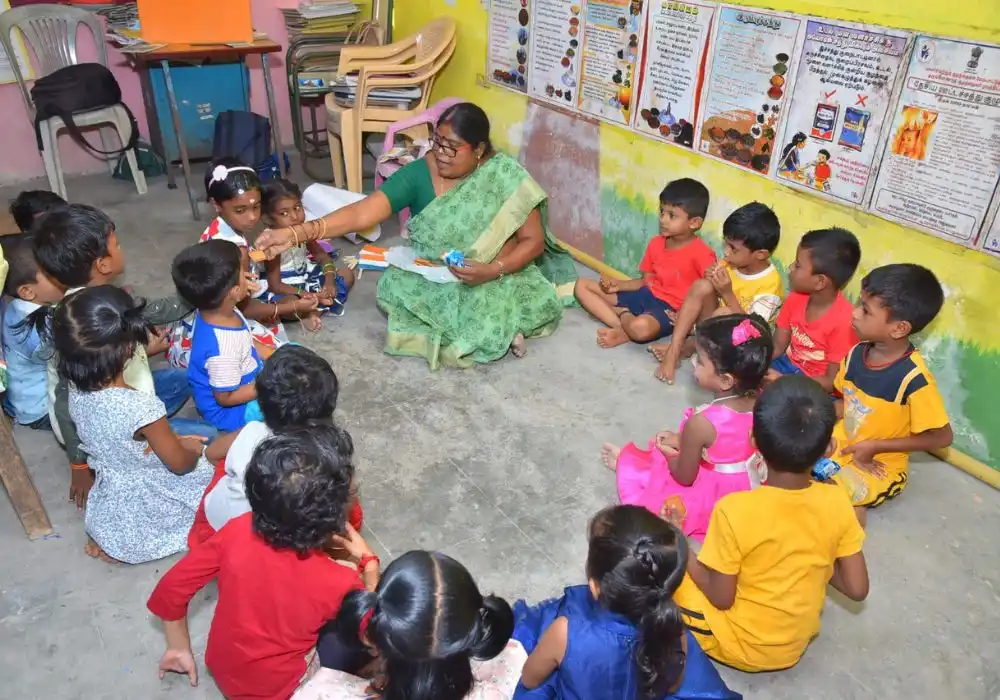
These newly established facilities are innovatively designed as integrated centres, serving a crucial dual purpose: they combine comprehensive childcare and traditional Anganwadi services with modern, dedicated creche care provisions. Their core objective is to offer robust and reliable support systems for working women across the capital, ensuring that their children receive appropriate care, early childhood education, and nutritional support in a safe environment while their mothers actively participate in the workforce. In essence, these centres are a strategic effort to alleviate the childcare burden often faced by working mothers, thereby promoting greater women’s participation in the economy and enhancing their overall well-being. For your upcoming examinations, a thorough understanding of the functional design, the target beneficiaries, and the policy rationale behind such schemes is not just helpful but essential. It’s about more than rote memorization; it’s about grasping the underlying policy intent and its practical, ground-level implementation.
Why This Initiative Holds Significant Weight for Your Exam Preparation
For any serious aspirant targeting prestigious government exams, this development offers a wealth of multi-faceted learning opportunities that can directly translate into higher scores.
* Current Affairs Mastery: This event is a classic example of a direct current affairs question waiting to appear in your preliminary exams. Expect questions on who launched it, where it was launched, under which specific initiative, and its primary purpose. Keeping track of such ministerial actions and geographical locations is key.
* General Studies (Social Issues & Women’s Empowerment): The establishment of these centres directly addresses critical social issues central to the UPSC and PSC syllabi, such as women’s empowerment, comprehensive child development, fostering gender equality, and mitigating the unique challenges confronting working mothers. Exams frequently feature analytical questions on government efforts in these very areas. Understanding the “why” behind these centres connects seamlessly to broader national discussions on India’s demographic dividend, female labor force participation rates, and social safety nets.
* Governance and Public Administration Insights: The successful planning and rapid implementation of 502 such centres exemplify effective governance and strategic coordination, not just within a single ministry but often between central and state government bodies. Your Mains examinations might pose questions on inter-governmental cooperation in social welfare schemes or delve into the pivotal role of specific ministries, like the Ministry of Women and Child Development, in driving national development and achieving social objectives.
* Economic and Socio-Economic Implications: By actively supporting working women and facilitating their continued employment, these centres indirectly contribute to boosting female labor force participation, a vital economic indicator. This aspect can be highly relevant for Mains examinations where you are required to critically analyze the socio-economic impact and broader implications of government policies.
Key Figures and Programs to Commit to Memory
The inauguration involved Union Minister Annapurna Devi, who heads the Ministry of Women and Child Development, a key portfolio whose policies and initiatives are frequently featured in competitive exams. The involvement of Delhi Chief Minister Rekha Gupta signifies a crucial collaborative effort, which is an important aspect of India’s complex federal structure and cooperative governance. Furthermore, the initiative’s launch under the “Seva Pakhwada”—a dedicated period emphasizing public service—highlights a concentrated governmental effort towards welfare. Aspirants should diligently note these names, their respective portfolios, and the overarching program contexts, as these are common elements in objective-type questions and can provide valuable context for descriptive answers.
How MyEntrance.in Supports Your Comprehensive Learning Journey
At MyEntrance.in, we possess a deep understanding of the dynamic and evolving nature of competitive examinations. Our platform is meticulously designed to provide you with interactive examinations and detailed answers, ensuring you can rigorously test your knowledge on critical current affairs topics just like this one. Our daily news quizzes are expertly crafted to help you track and assimilate such important government initiatives on an ongoing basis. Complementing this, our comprehensive static general knowledge resources will furnish you with the foundational understanding needed to grasp the broader historical and policy context of women’s welfare and child development policies. Our expert-curated content focuses on breaking down complex topics into simple, digestible English, making them highly accessible and easy to recall for your examinations, all while providing invaluable examination tips to sharpen your preparation strategy and boost your confidence. Discover how to maximize your score with last-minute studying by focusing on high-yield topics.
Frequently Asked Questions (FAQs)
Q1: What is the core objective behind the establishment of the Palna-Anganwadi cum Creche Care Centres?
A1: The primary objective is to provide comprehensive, integrated childcare, Anganwadi services, and modern creche care facilities. This initiative specifically aims to support working women by offering a safe, nurturing, and educationally stimulating environment for their children, thereby enabling mothers to participate actively in the workforce without childcare anxieties.
Q2: Which prominent Union Minister played a leading role in inaugurating these new childcare centres?
A2: Union Minister for Women and Child Development, Annapurna Devi, was the key figure who spearheaded the inauguration of these 502 Palna-Anganwadi cum Creche Care Centres in New Delhi.
Q3: Under what specific national initiative or program were these important centres launched?
A3: These significant centres were officially inaugurated under the “Seva Pakhwada” initiative, a special period designated for concentrated public service and welfare activities by the government.
Q4: In what ways is this specific government development relevant for students preparing for highly competitive examinations like UPSC or SSC?
A4: This development is highly relevant for competitive exams as it directly pertains to key sections such as Current Affairs, Social Issues (including women’s empowerment, child development, and gender equality), and aspects of Governance and Public Administration. It helps aspirants understand the practical implementation of government schemes, their policy implications, and their broader socio-economic impact, all of which are frequently assessed in various examination stages.
Q5: Can you explain the relationship between traditional Anganwadi centres and these new integrated creche care facilities?
A5: Traditional Anganwadi centres are integral to India’s Integrated Child Development Services (ICDS) program, focusing on providing basic health, nutrition, and early education services to children under six, along with health services for pregnant women and nursing mothers. The new Palna-Anganwadi cum Creche Care Centres are an evolution, integrating these foundational Anganwadi services with modern, extended creche care facilities. This offers a more comprehensive and flexible support system, particularly tailored to meet the needs of working mothers and their children.





