
The annual announcement of the Padma Awards is more than a ceremonial event; it is a reflection of the nation’s soul, a moment where India pauses to celebrate the architects of its progress and culture. For the astute aspirant of prestigious competitive exams like the UPSC, SSC, State PSCs, NID, NIFT, and a multitude of other government recruitment tests, this announcement is not merely a news item to be skimmed. It is a dynamic, living syllabus. The burgeoning buzz around the Padma Awards for 2026, particularly the anticipated recognition of a cadre of iconic sporting legends, presents a critical juncture for strategic preparation. Mastering this topic transcends rote memorization; it offers a prism through which to understand national priorities, the evolving definition of service, and the personalities who are actively sculpting India’s contemporary legacy. New to SSC? Understand everything from eligibility to the application process on our SSC exams page.
Unpacking the Padma Awards: More Than Just Medals and Titles
Before we dissect the potential awardees of 2026, a foundational understanding of the Padma Awards themselves is non-negotiable. Instituted in 1954, these are among the highest civilian honours of the Republic of India, standing just below the Bharat Ratna. They are announced every year on the eve of Republic Day, a symbolic gesture that links the nation’s constitutional values with the celebration of individual excellence. The awards are conferred by the President of India in formal ceremonies at the Rashtrapati Bhavan, typically in March or April.
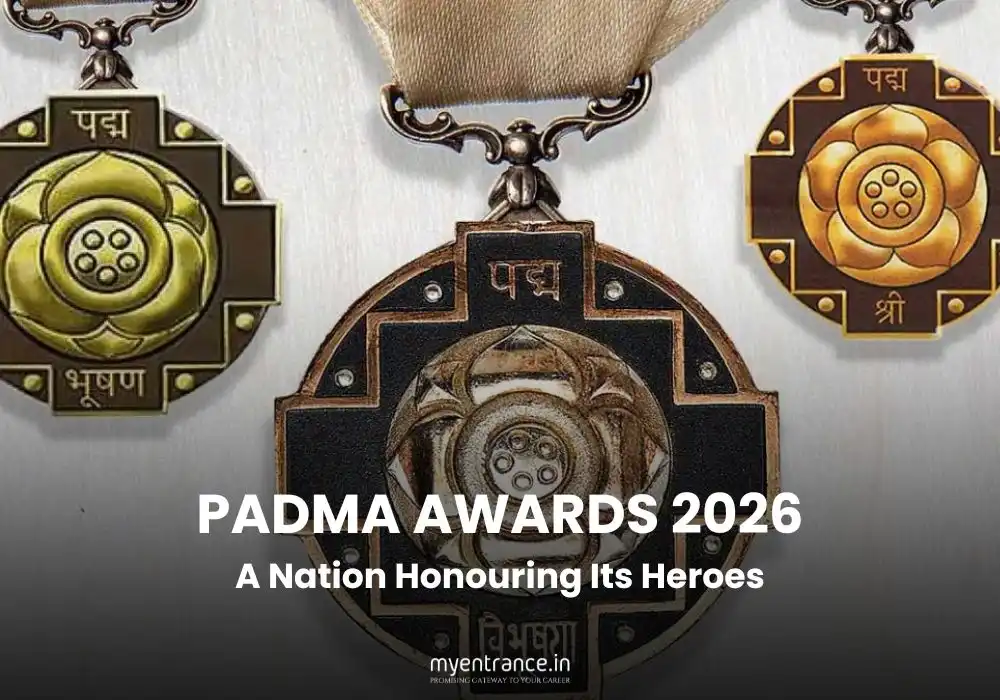
The three-tiered structure is a frequent subject of examination questions:
Padma Vibhushan: Awarded for “exceptional and distinguished service.” This is the second-highest civilian award, reserved for individuals whose contributions have had a transformative and lasting impact on the nation.
Padma Bhushan: Recognizes “distinguished service of a high order.” This is the third-highest award, honouring those who have achieved excellence and brought renown to India in their respective fields.
Padma Shri: Bestowed for “distinguished service in any field.” As the fourth-highest civilian award, it often serves to recognize both established figures and emerging talent, signaling the nation’s appreciation for a wide spectrum of contributions.
The selection process is a model of democratic and bureaucratic rigor. Recommendations flow in from State Governments, Union Territories, various Ministries of the Government of India, and even directly from the public. These are then meticulously scrutinized by a high-level Padma Awards Committee, constituted by the Prime Minister, ensuring that the final list is a credible and representative cross-section of Indian achievement. For an exam aspirant, understanding this process—its inclusivity and its scrutiny—can be invaluable for descriptive answers on governance and public administration. Launch your fashion career by acing the NIFT Entrance Exam.
Sporting Legends in the 2026 Spotlight: A Nation Honouring Its Heroes
The speculation surrounding the 2026 awards is particularly electrifying in the realm of sports. This anticipated focus on athletes is a testament to India’s evolving sporting culture—a shift from cricket-centric celebration to a more diverse appreciation of excellence. Recognizing these individuals underscores a national narrative that values discipline, international glory, and the power of sports to inspire a billion dreams.
The Pinnacle: Contenders for the Padma Vibhushan
The recommendations for the Padma Vibhushan highlight two legends whose careers are not just about wins, but about breaking paradigms:
Abhinav Bindra: His name is synonymous with a historic breakthrough. By clinching the gold medal in the 10-meter air rifle event at the 2008 Beijing Olympics, Bindra did not just win a medal; he became India’s first-ever individual Olympic gold medallist. His achievement shattered a psychological barrier for a nation hungry for sporting success. Beyond the podium, his journey is a masterclass in precision, mental fortitude, and a relentless pursuit of perfection. A Padma Vibhushan would be a fitting capstone to a career that fundamentally altered India’s relationship with the Olympics.
Leander Paes: A titan of Indian tennis, Paes’s career is a testament to longevity and world-class consistency. With a remarkable 18 Grand Slam titles (across doubles and mixed doubles) and an Olympic bronze medal from the 1996 Atlanta Games, he has been a global ambassador for Indian sport for over three decades. His dedication, unparalleled reflexes at the net, and success with a diverse array of international partners have made him a household name. Honouring him with a Padma Vibhushan would acknowledge a lifetime of bringing sustained glory to the nation.
Sustained Excellence: Probable Padma Bhushan Honourees
The next tier of recognition is poised to honour two athletes who have defined excellence in the modern era:
Neeraj Chopra: From a small village in Haryana to the top of the Olympic podium, Neeraj Chopra’s journey is the stuff of legend. His gold medal in the javelin throw at the Tokyo 2020 Olympics was a watershed moment—it was India’s first-ever Olympic gold in athletics. This single throw catapulted track and field to the forefront of the national consciousness and inspired a generation to pick up the javelin. His subsequent World Championships gold in 2023 cemented his status as a global superstar. A Padma Bhushan would recognize not just his gold, but his role in heralding a new era for Indian athletics.
Gagan Narang: A stalwart of Indian shooting, Gagan Narang has been a pillar of the sport for years. While he won an Olympic bronze in the 10-meter air rifle event at the 2012 London Games, his legacy is built on a mountain of other international medals, including Commonwealth and Asian Games golds. He represents the bridge between the pioneering generation of shooters and the current prodigies, and his post-retirement contributions to coaching and sports development further enrich his candidacy.
The Vanguard: Potential Padma Shri Awardees
The Padma Shri recommendations signal a strategic look towards the future, honouring both prodigious individual talent and inspirational leadership:
Manu Bhaker: A young shooter who has already taken the world by storm, Manu Bhaker represents the dynamic future of Indian sports. With numerous World Cup and Commonwealth Games medals to her name, she has demonstrated phenomenal skill and composure under pressure from a very young age. Recognising her with a Padma Shri would be an investment in and an acknowledgement of the potential of India’s youth.
Harmanpreet Singh: The captain of the Indian men’s hockey team, Harmanpreet Singh, embodies the resurgence of a national legacy. As a formidable drag-flicker and a strategic leader, he has been instrumental in the team’s recent successes, including an Olympic bronze medal after a 41-year wait. Honouring him highlights the importance of team sports, leadership, and the revival of a traditional powerhouse.
A complete resource for the DAT prelims and mains for the NID entrance process.
The Exam Blueprint: Why Padma Awards are a High-Yield Topic
For the discerning exam aspirant, the Padma Awards are a treasure trove of potential questions across multiple papers and formats:
Preliminary Exams (Objective MCQs): Direct, factual questions are common. Examples include: “Who among the following is a potential Padma Vibhushan awardee for 2026 from the field of sports?” or “The Padma Bhushan is awarded for which of the following?” or “Abhinav Bindra is associated with which sport?”
Mains Examinations (Descriptive Answers): This is where deeper knowledge pays dividends. The awards can be used as potent examples in essays on topics like “Sports as a Soft Power,” “India’s Culture of Honouring Excellence,” or “The Changing Landscape of Indian Sports.” In General Studies papers, questions on governance can be illustrated by explaining the Padma selection process.
Interviews/Personality Tests: Knowledge of recent awardees demonstrates a well-rounded personality, an awareness of national currents, and the ability to form opinions. Discussing the significance of a sportsperson’s award can showcase analytical skills and patriotic sentiment.
Strategic Preparation with Myentrance.in
Platforms like Myentrance.in are designed to transform this information into exam-ready knowledge. We go beyond listing names by providing:
Context-Rich Notes: Detailed profiles of awardees, linking them to their historical achievements and national impact.
Interactive Quizzes: Daily and weekly current affairs quizzes that test recall and application of this knowledge.
Static GK Integration: Connecting current events with static general knowledge, such as the history of the awards and past notable recipients.
Answer-Writing Practice: Offering model answers and essay outlines that incorporate these examples effectively.
Frequently Asked Questions (FAQs)
Q1: Beyond individual names, what broader aspects of the Padma Awards should I study?
A1: Focus on the history (1954 institution), the constitutional and ceremonial aspects (Republic Day announcement, President’s conferment), the fields of recognition (Art, Social Work, Science & Engineering, etc.), and the selection process’s democratic nature. Also, be aware of controversies or trends, such as the increasing recognition of “unsung heroes.”
Q2: How can I use this information in an essay on “India’s Soft Power”?
A2: The global recognition of Indian sportspersons like Neeraj Chopra or Leander Paes enhances India’s international image. Their achievements, celebrated through awards like the Padma Shri, project India as a nation of discipline, determination, and excellence, thereby augmenting its soft power.
Q3: Are recommendations for Padma Awards always accepted?
A3: No, the recommendations are just the first step. The final decision rests with the Padma Awards Committee, which may accept, reject, or even elevate a candidate to a higher award based on its assessment.
In conclusion, the Padma Awards 2026, especially the anticipated recognition of sporting titans, is not just a story of celebration but a critical case study in national values and priorities. For the competitive exam aspirant, decoding this event is a strategic imperative, turning national pride into a tangible asset for academic success. Stay informed, stay analytical, and let your preparation be as distinguished as the achievements you study.





