
Understanding the NIFT Situation Test Dynamics
The NIFT Situation Test is a critical second stage for candidates aspiring to join the Bachelor of Design (B.Des) programs. Unlike the written exams, this stage evaluates your creative ability, material handling skills, and innovative thinking under a ticking clock. The core challenge lies in the material kit provided at the center. Every candidate receives a set of items and must transform them into a meaningful 3D model that reflects a specific theme or concept. Mastering the latest pattern of this examination requires more than just artistic flair; it demands a strategic approach to the materials provided.
The Standard NIFT Material Kit Checklist
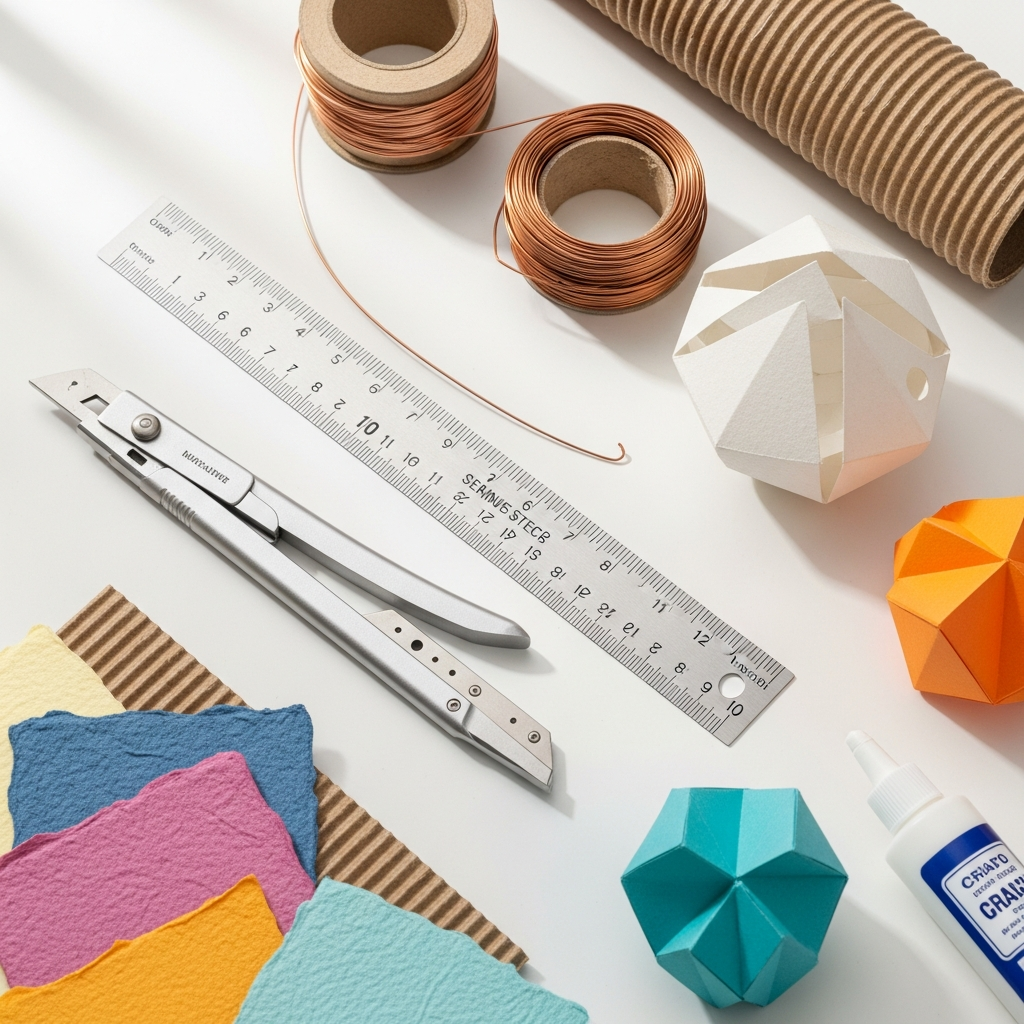
While the exact contents of the kit may vary to keep the challenge fresh for upcoming exams, certain materials are consistently featured. Understanding how to manipulate these items is the first step toward success. In the exam hall, you will typically be provided with a variety of paper, boards, and decorative items. Below is a comprehensive look at what you can expect in your material kit and how to use them effectively.
| Material Category | Common Items Provided | Primary Creative Use |
|---|---|---|
| Foundation Boards | Mount Board, Corrugated Sheet, Cardboard | Creating the base or structural walls of the model. |
| Paper & Sheets | Ivory Sheet, Handmade Paper, Translucent Sheet, Cellophane | Adding textures, making organic shapes, or creating windows. |
| Structural Tools | Copper/Aluminum Wire, Straws, Ice Cream Sticks | Building skeletons, support beams, or linear decorative elements. |
| Binding Materials | Cotton Thread, Wool, Fabric Scraps, Ribbon | Tying components together or adding softness and texture. |
| Modeling Mediums | Clay, Thermocol (sometimes restricted), Foil | Creating figurines, rounded shapes, or metallic highlights. |
Essential Tools to Carry for the Situation Test
While NIFT provides the creative materials, candidates are required to bring their own toolkit. Having the right tools ensures precision and saves precious time. Using a dull blade or the wrong adhesive can compromise the structural integrity of your model. Ensure your toolkit includes the following essentials for the current syllabus requirements:
- Precision Cutter & Scissors: A sharp paper cutter (with spare blades) and a pair of medium-sized scissors are non-negotiable for clean cuts.
- Steel Ruler: A metal scale is preferred over plastic as it doesn’t get nicked by the cutter and helps in precise scoring.
- Adhesives: Carry a quick-fix glue (like Fevikwik), a standard white glue (Fevicol), and double-sided tape for different bonding needs.
- Pliers: Small nose pliers are vital for bending and cutting wires without hurting your fingers.
- Geometry Box: A compass and protractor are helpful for creating perfect circles and angles.
- Pencils and Eraser: For sketching your initial design on the base or marking measurements.
Mastering Material Manipulation Techniques
The examiners look for ‘material innovation.’ This means using a material in a way it wasn’t originally intended for. For instance, instead of just using a corrugated sheet as a flat base, you could peel off the top layer to reveal the ribbed texture underneath, creating a roof or a textured wall. Similarly, wires can be coiled or woven to create flexible joints or intricate patterns. When working with ivory sheets, techniques like paper folding (origami), quilling, and scoring can add depth and 3D volume to an otherwise flat surface.
The Importance of the Write-Up
Many students focus entirely on the model and neglect the descriptive write-up. However, the write-up is a vital part of the evaluation. You are usually required to explain your concept in about 100 words. Use this space to justify your choice of materials and explain how your model relates to the given theme. A well-articulated write-up can significantly boost your final score by providing clarity to your creative vision.
How to Prepare with myentrance.in
Preparation is the key to staying calm during the actual exam. At myentrance.in, we provide a wide range of resources tailored for design aspirants. Our platform offers simulated mock tests that mimic the latest pattern of the NIFT Situation Test. By practicing with our materials, you can improve your time management skills and learn to think on your feet. Our mock tests challenge you with diverse themes and restricted material lists, ensuring you are ready for any surprise the exam might throw at you. Visit myentrance.in to access expert guidance and practice modules that will sharpen your creative edge.
Top Tips for Exam Day Success
To excel on the day of the exam, keep these professional tips in mind:
- Plan Before You Build: Spend the first 10-15 minutes sketching your idea. Jumping straight into material cutting often leads to wasted resources.
- Manage Your Time: Allocate 15 minutes for planning, 90 minutes for construction, and the final 15 minutes for the write-up and cleaning your workstation.
- Stability is Key: Ensure your model is sturdy. It should be able to withstand being moved by the examiners.
- Cleanliness Counts: Avoid excessive glue marks or rough edges. A neat model reflects professional craftsmanship.
- Use Every Material: Try to incorporate at least a small portion of most materials provided, as it shows your versatility.
Frequently Asked Questions (FAQs)
Can I bring my own decorative materials to the NIFT Situation Test?
No, you are strictly prohibited from bringing any additional decorative materials like beads, glitter, or colored paper from home. You must only use the materials provided in the official kit. You are only allowed to bring your own tools for cutting and sticking.
What should I do if my model breaks during the exam?
Don’t panic. Use quick-drying adhesives to repair the structure. This is why practicing with different materials at myentrance.in is crucial; it helps you understand the structural limits of each item before the actual test.
How long is the NIFT Situation Test?
The test typically lasts for two hours. During this time, you must complete the construction of your 3D model and finish the written explanation. Time management is one of the biggest challenges, making mock tests an essential part of your preparation.
Is the write-up evaluated for English grammar?
The primary focus of the write-up is your ability to communicate your design concept. While perfect grammar is not the main criteria, clarity of thought and the ability to explain your design’s relevance to the theme are highly important.
Where can I find sample questions for the Situation Test?
You can find a variety of sample questions and previous themes on myentrance.in. These resources help you understand the types of topics generally asked, such as designing a workspace, a futuristic park, or a product for a specific social cause.





